PRNewswire
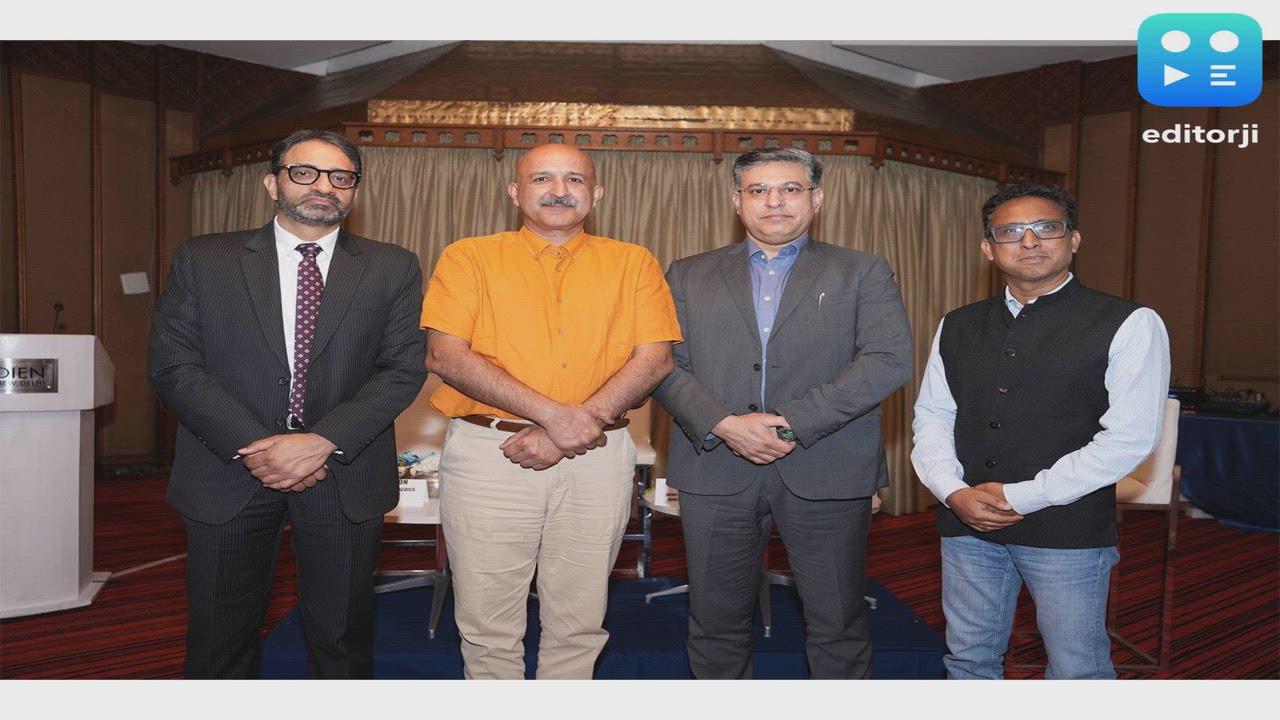
New Delhi [India], May 1: The Partnership to Fight Chronic Disease (PFCD) convened a panel of leading orthopaedic surgeons in New Delhi - Dr. Ramneek Mahajan, Chairman - Orthopaedics, Joint Replacement and Chief Robotic Joint Replacement, Max Healthcare; Dr. Havind Tandon, Senior Consultant, Orthopaedics and Joint Replacement, Apollo Hospital; and Dr. Subhash Jangid, Principal Director, Joint Replacement and Orthopaedics, Fortis Memorial Research Institute (FMRI) - to discuss India's growing arthritis burden, critical technological-insurance discrepancies and the urgent need for equitable coverage for robotic-assisted joint replacement (JR) surgery.
India performs an estimated 2.5-3.5 lakh joint replacement surgeries annually, the majority of which continue to be performed using conventional techniques.[1] Despite the growing interest in technology-enabled procedures, robotic-assisted joint replacements currently account for only around 5-10% of total joint replacement surgeries in the country, with adoption largely concentrated in metropolitan hospitals that have access to advanced surgical infrastructure and trained specialists.[2] The panel emphasized that insurance gaps, not medical limitations, remain the biggest barrier preventing patients from accessing life-changing care.
Robotic-assisted joint replacement offers surgical precision, faster recovery, and improved long-term outcomes. CT-based planning allows surgeons to tailor the procedure to each patient's unique anatomy, anticipate anatomical challenges in advance, reduce human surgical errors, preserve healthy tissue, leading to better joint function and long-term outcomes. However a fundamental challenge persists; there is an increasing gap between what is clinically optimal for the patient and what is financially reimbursable. The gap is beginning to influence the treatment decisions, which should ideally remain purely clinical.
Patients often come with the expectation that their insurance will cover the best available treatment. In reality, they are frequently informed that robotic surgery is either partially covered, subject to sub-limits, or in some cases not covered at all. As a result, patients are compelled to make decisions based on affordability rather than clinical need - undermining the principle of patient-centric care.
This coverage gap exists despite the Insurance Regulatory and Development Authority of India (IRDAI) guidelines to include modern treatments, since 2019.
While robotic surgery is recognized under modern treatments, current insurance practices continue to apply arbitrary sub-limits, show wide variability in reimbursement, and in some cases reimburse robotic joint replacement procedures at levels lower than conventional joint replacement surgery. The classification of robotic technology as a discretionary or luxury component further exacerbates access challenges.
These gaps have a direct and significant impact on clinical practice. Surgeons are increasingly forced into difficult conversations, balancing the responsibility to recommend the best possible treatment against what is financially viable for the patient. Hospitals may also limit offering robotic-assisted procedures to insured patients due to reimbursement uncertainties. Ultimately, patients either bear a higher out-of-pocket burden or compromise on the quality of care they receive.
Dr. Ramneek Mahajan, Chairman - Orthopaedics, Joint Replacement and Chief Robotic Joint Replacement, Max Healthcare, said, "Robotic-assisted joint replacement has become an important clinical advancement in orthopaedic surgery because it allows surgeons to plan and execute procedures with greater accuracy and consistency. Precise implant alignment plays a critical role in improving joint function and long-term outcomes for patients. However, when insurance policies place restrictions on modern surgical techniques, patients are often compelled to choose conventional procedures even when more precise options are available."
Dr. Havind Tandon, Senior Consultant - Orthopaedics and Joint Replacement, Apollo Hospital, said, "In clinical practice, it is not uncommon to see patients hesitate or alter their treatment decisions because of insurance limitations on robotic-assisted procedures. Many patients are willing to consider advanced surgical options for better recovery and mobility, but sub-limits and reimbursement restrictions create financial uncertainty. As a result, patients may settle for alternatives that align with insurance coverage rather than what is clinically most suitable."
Dr. Subhash Jangid, Principal Director, Joint Replacement and Orthopaedics, Fortis Memorial Research Institute (FMRI), said, "Insurance frameworks should also consider the long-term value of technologies that enhance surgical precision. Robotic-assisted joint replacement can contribute to better implant positioning, fewer complications, and a lower likelihood of revision surgeries. When insurers look beyond the upfront cost of technology and evaluate the overall impact on patient outcomes and long-term healthcare expenditure, comprehensive coverage can prove beneficial for both patients and the healthcare system."
Panellists emphasized that insurers need to look beyond upfront costs and assess the longer-term value that robotic technology delivers, including lower revision rates, reduced readmissions, and faster patient recovery. When evaluated on total cost of care, the technology represents a benefit for patients, insurers, and the healthcare system alike.
Aman Gupta, Asia Representative, PFCD, underlined the patient-centric mission: "At PFCD, our focus is ensuring no patient is left behind due to financial constraints. We advocate for insurance policies that recognize robotic joint replacement as a medically necessary, value-driven innovation. Bridging these insurance gaps is essential for enabling equitable access to world-class care and improving the standard of surgical outcomes across India."
PFCD continues to champion equitable access for patients requiring advanced surgical interventions. Every individual should have the right to access the highest level of medical precision without the burden of discriminatory insurance caps, strengthening the Indian healthcare ecosystem as a whole.
About Partnership to Fight Chronic Disease:
The Partnership to Fight Chronic Disease (PFCD), established in 2007, is a global coalition of patients, providers, community groups, businesses, labor organizations, and health policy experts dedicated to raising awareness and driving action against chronic disease - the leading cause of death, disability, and rising healthcare costs.
[1] https://timesofindia.indiatimes.com/city/ahmedabad/scalpel-meets-software-robotic-surgeries-go-high-tech-in-abad/articleshow/123000342.cms?utm_source=chatgpt.com
[2] https://www.linkedin.com/pulse/robotic-knee-hip-replacement-india-medical-vs-insurance-shilpa-arora-8y39c/
Photo: https://mma.prnewswire.com/media/2970237/PFCD_Advocates_Coverage.jpg
(ADVERTORIAL DISCLAIMER: The above press release has been provided by PRNewswire. ANI will not be responsible in any way for the content of the same)
(This article was generated from news agency ANI without modifications to the text.)