Highlights

  • SBI and HDFC Bank elevated to higher D-SIB categories.
  • RBI mandates bolstering reserves by April 2025 for stability.

Latest news
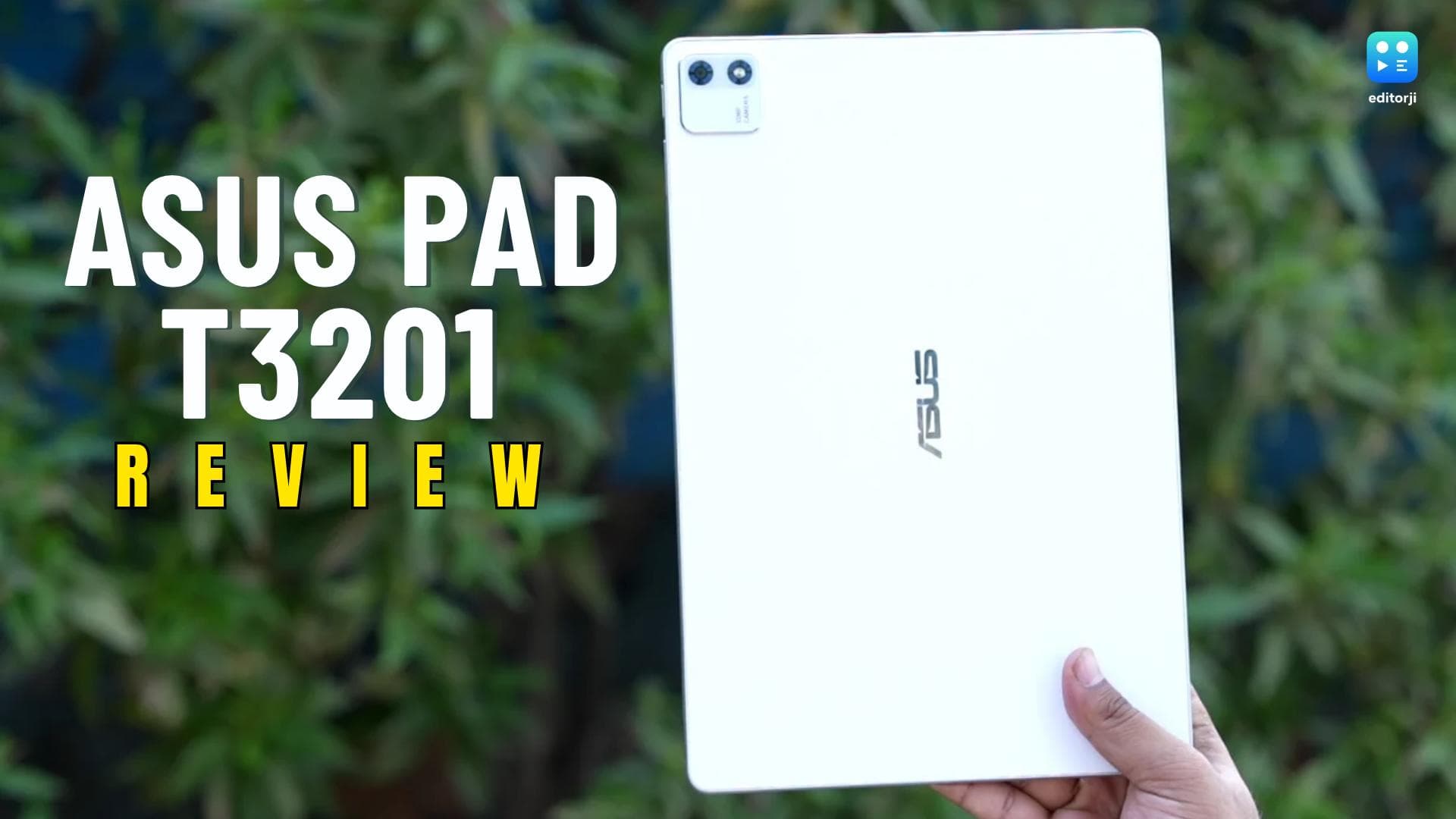
Asus Pad T3201 Review: OLED Brilliance Meets Everyday Mid-Range Power

Asus Pad T3201 Review: OLED Brilliance Meets Everyday Mid-Range Power

Qualcomm Showcases Snapdragon 8 Elite Gen 6 Chips At IMC 2026, Teases New Flagships

Qualcomm Showcases Snapdragon 8 Elite Gen 6 Chips At IMC 2026, Teases New Flagships

Shokz Diwali Sale Brings Discounts On Open-Ear Headphones Across Amazon And Flipkart
Shokz Diwali Sale Brings Discounts On Open-Ear Headphones Across Amazon And Flipkart

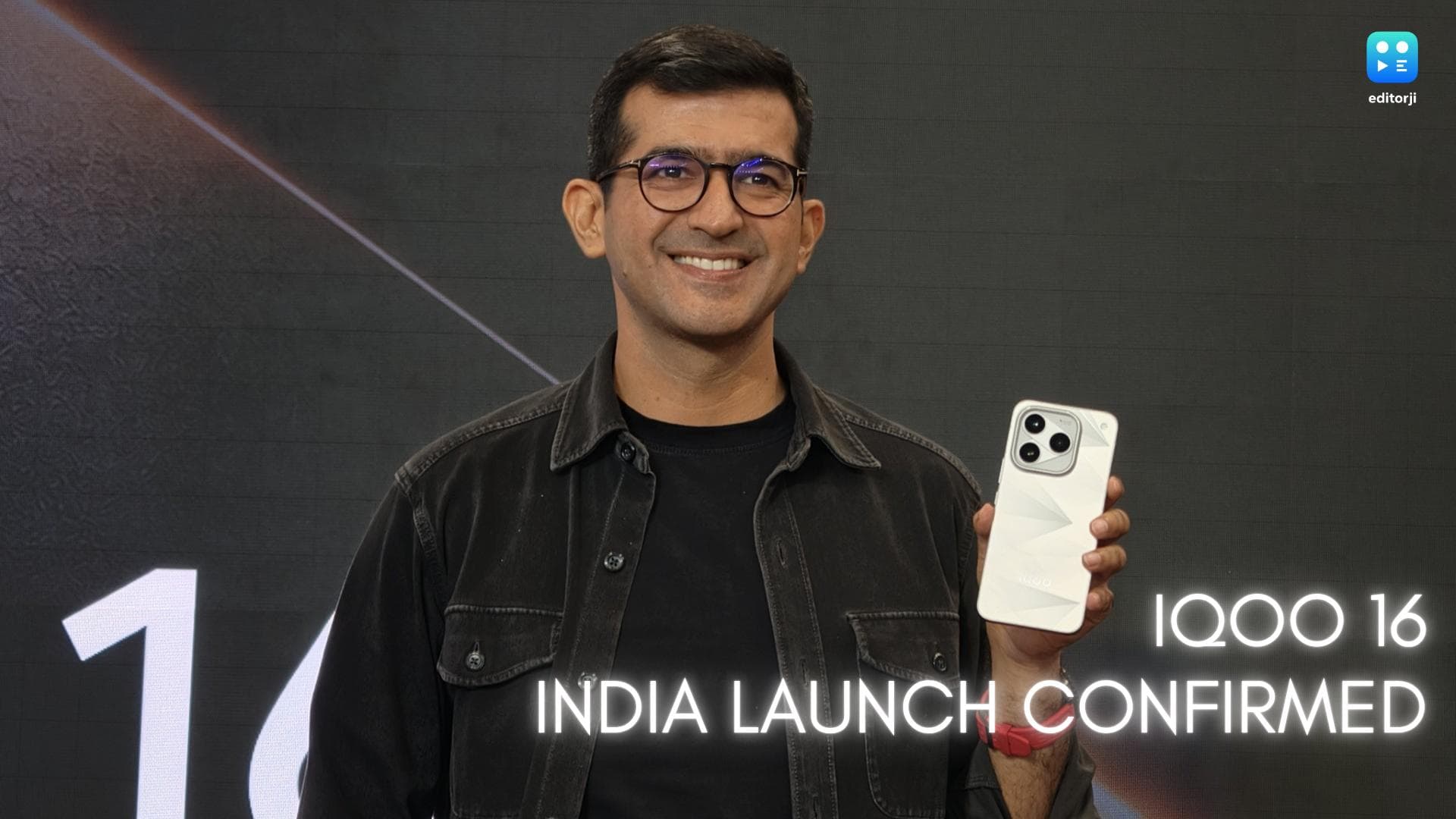
iQOO 16 Confirmed For India With Snapdragon 8 Elite Extreme Gen 6 And OriginOS 7

iQOO 16 Confirmed For India With Snapdragon 8 Elite Extreme Gen 6 And OriginOS 7

ASUS Announces Festive Discounts Across Laptops, Gaming PCs And Tablets

ASUS Announces Festive Discounts Across Laptops, Gaming PCs And Tablets

Priyanka Gandhi lies on ground, Rahul detained as Delhi Police stop INDIA bloc MPs' Jantar Mantar march

Priyanka Gandhi lies on ground, Rahul detained as Delhi Police stop INDIA bloc MPs' Jantar Mantar march

Emotion, tears as Messi retires from Argentina national team

Emotion, tears as Messi retires from Argentina national team

Rajpal Yadav tells CJI Surya Kant his legal troubles inspired film title ‘Solah Sawan Jhel Ke’

Rajpal Yadav tells CJI Surya Kant his legal troubles inspired film title ‘Solah Sawan Jhel Ke’

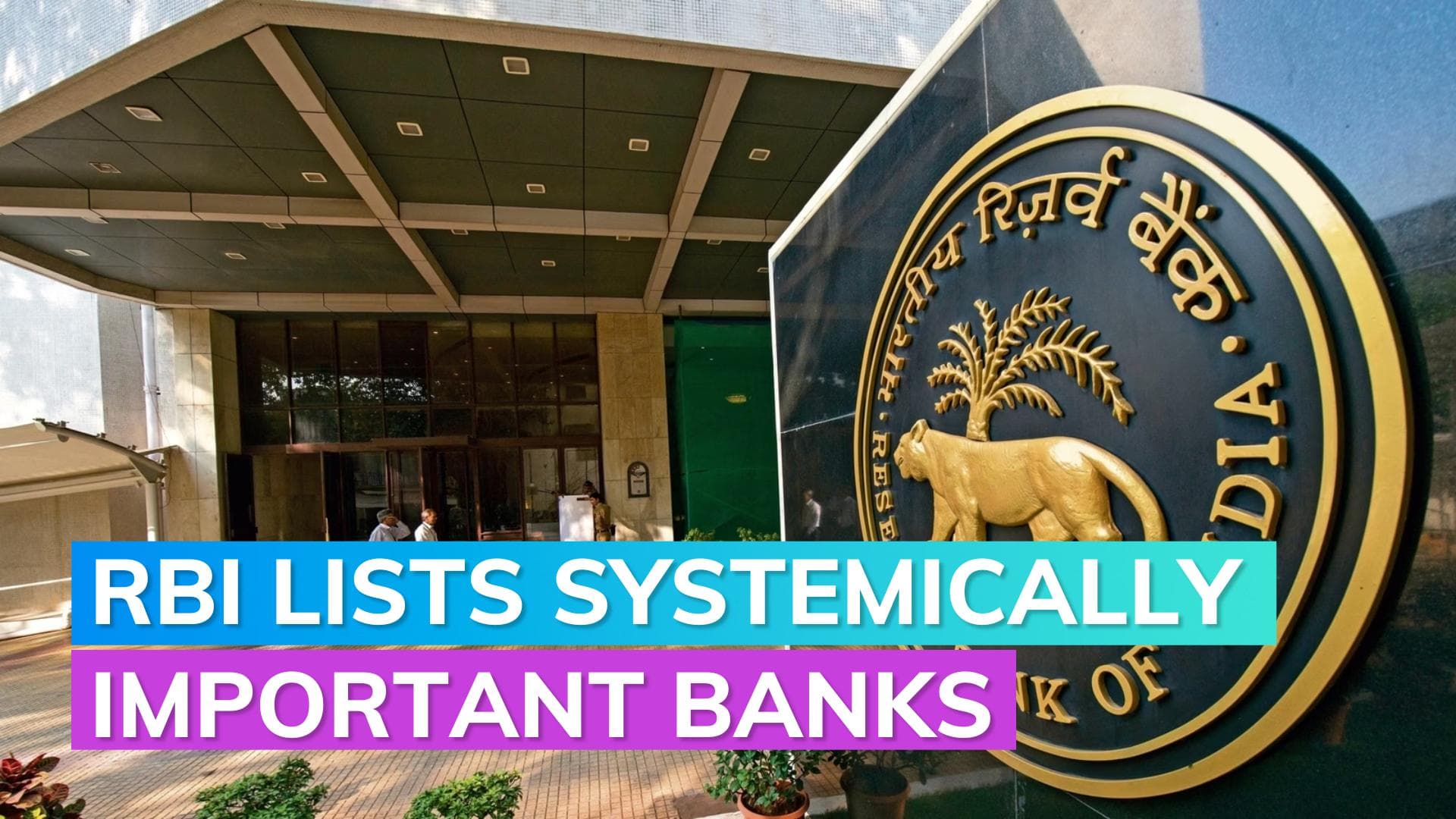
RBI's latest D-SIBs list confirms SBI, ICICI, and HDFC as vital too-big-to-fail banks in 2023

RBI designates SBI & HDFC Bank as higher D-SIBs, requiring bolstered reserves by April 2025. Banking stability focus intensifies with updated guidelines for key lenders

RBI's latest D-SIBs list confirms SBI, ICICI, and HDFC as vital too-big-to-fail banks in 2023

In banking sector, three major players, State Bank of India (SBI), ICICI Bank, and HDFC Bank, have retained their status as Domestic Systemically Important Banks (D-SIBs) in the eyes of the Reserve Bank of India (RBI) for the year 2023. But what does being a D-SIB entail?

To put it simply, D-SIBs are like pillars in the financial system. If one of these banks were to falter or fail, it could send ripples through the entire financial landscape, potentially causing instability. Hence, they receive extra attention and supervision from the RBI because their stability is crucial for the overall health of the economy.

This vigilance stems from the fallout of the 2008 global financial crisis, prompting central banks worldwide to closely monitor institutions deemed 'too big to fail.'

While ICICI Bank maintained its position from the previous assessment, both SBI and HDFC Bank were moved into higher D-SIB categories by the RBI. This change will require SBI and HDFC Bank to bolster their reserves to ensure financial stability by April 2025.

This bolstering includes maintaining additional Common Equity Tier 1 (CET1), a measure of a bank's core equity capital, beyond the regular capital conservation buffer. SBI, for instance, will need to maintain an additional 0.80 percent CET1 in proportion to its risk-weighted assets, while ICICI Bank and HDFC Bank have to maintain 0.20 percent and 0.40 percent extra, respectively.

However, the increased surcharge for SBI and HDFC Bank will only become effective from April 1, 2025. Until then, SBI will have a 0.60 percent surcharge, and HDFC Bank will maintain a 0.20 percent surcharge.

The RBI introduced the D-SIB framework in 2014 to ensure better oversight of systematically important banks. The recent update, based on data up to March 31, 2023, reflects HDFC Bank's elevated systemic importance following its merger with erstwhile HDFC Limited on July 1, 2023.

This meticulous categorization and additional requirements aim to fortify these banks against potential shocks and contribute to a more resilient financial system, shielding the economy from adverse consequences in the event of a banking crisis.

Also Watch: RBI dismisses IMF assertion of excessive Forex intervention

Frequently Asked Questions

Being a D-SIB means that the bank is considered a pillar in the financial system. If such a bank were to falter or fail, it could cause instability in the entire financial landscape. Hence, these banks receive extra supervision from the Reserve Bank of India (RBI) because their stability is crucial for the overall health of the economy.

ADVERTISEMENT

Up Next

RBI's latest D-SIBs list confirms SBI, ICICI, and HDFC as vital too-big-to-fail banks in 2023

RBI's latest D-SIBs list confirms SBI, ICICI, and HDFC as vital too-big-to-fail banks in 2023

Sensex falls 429 points, Nifty slips 173 points after RBI rate hike
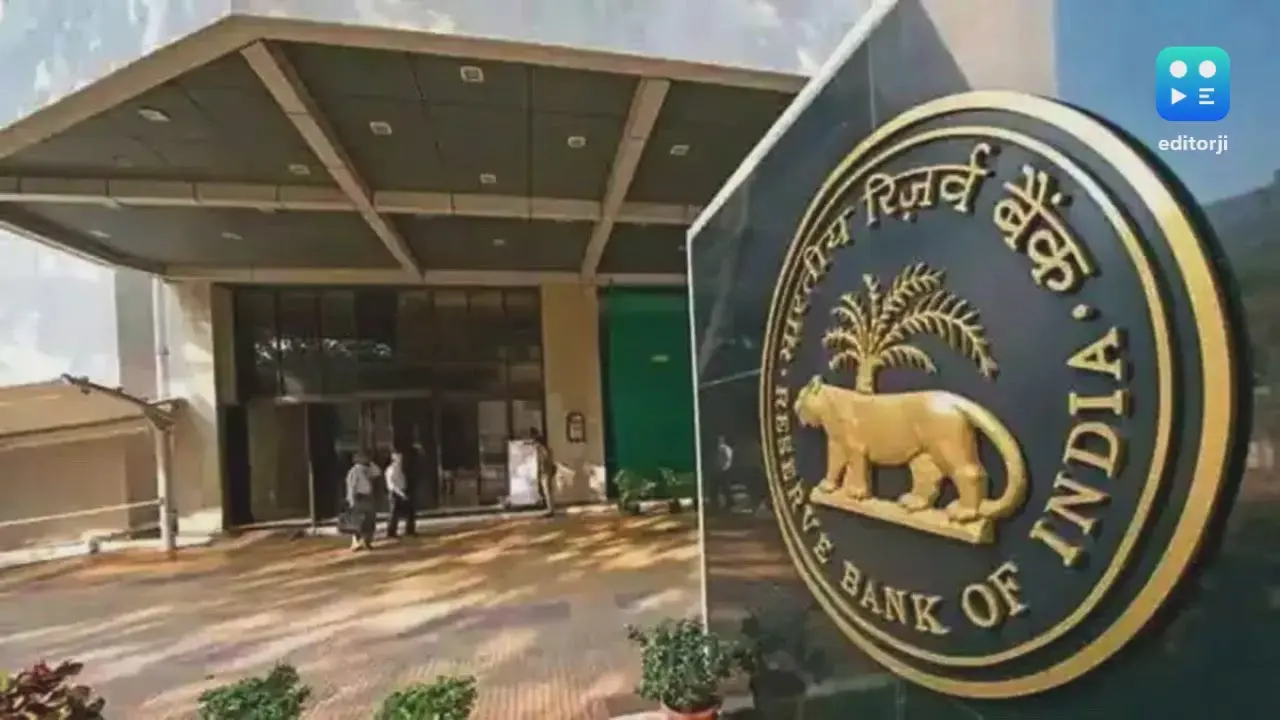
Sensex falls 429 points, Nifty slips 173 points after RBI rate hike

RBI raises repo rate by 25 bps to 5.50%, shifts policy towards tightening
RBI raises repo rate by 25 bps to 5.50%, shifts policy towards tightening

GST rates likely unchanged as 57th Council meeting focuses on reforms
GST rates likely unchanged as 57th Council meeting focuses on reforms

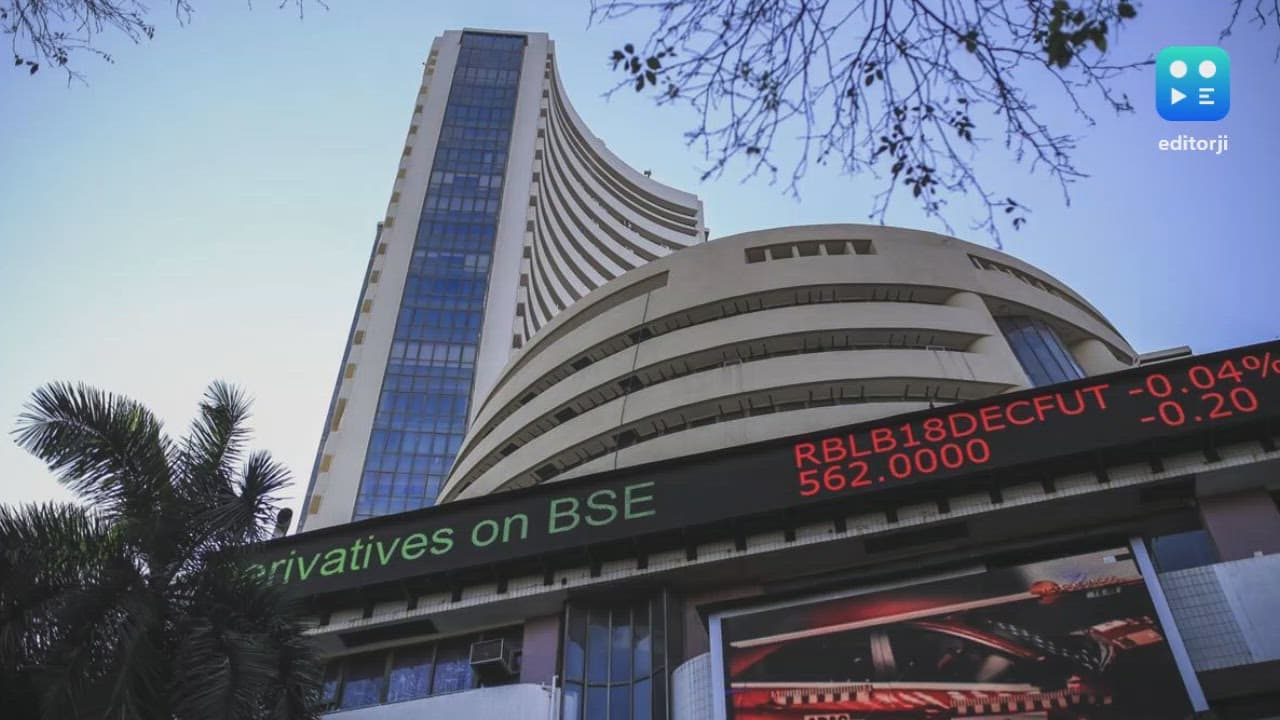
Sensex gains 685 points, Nifty rises 220 points to cross 22,700
Sensex gains 685 points, Nifty rises 220 points to cross 22,700

Sensex gains 473 points, Nifty rises 134 points as markets stage recovery

Sensex gains 473 points, Nifty rises 134 points as markets stage recovery

ADVERTISEMENT

editorji-whatsApp

More videos

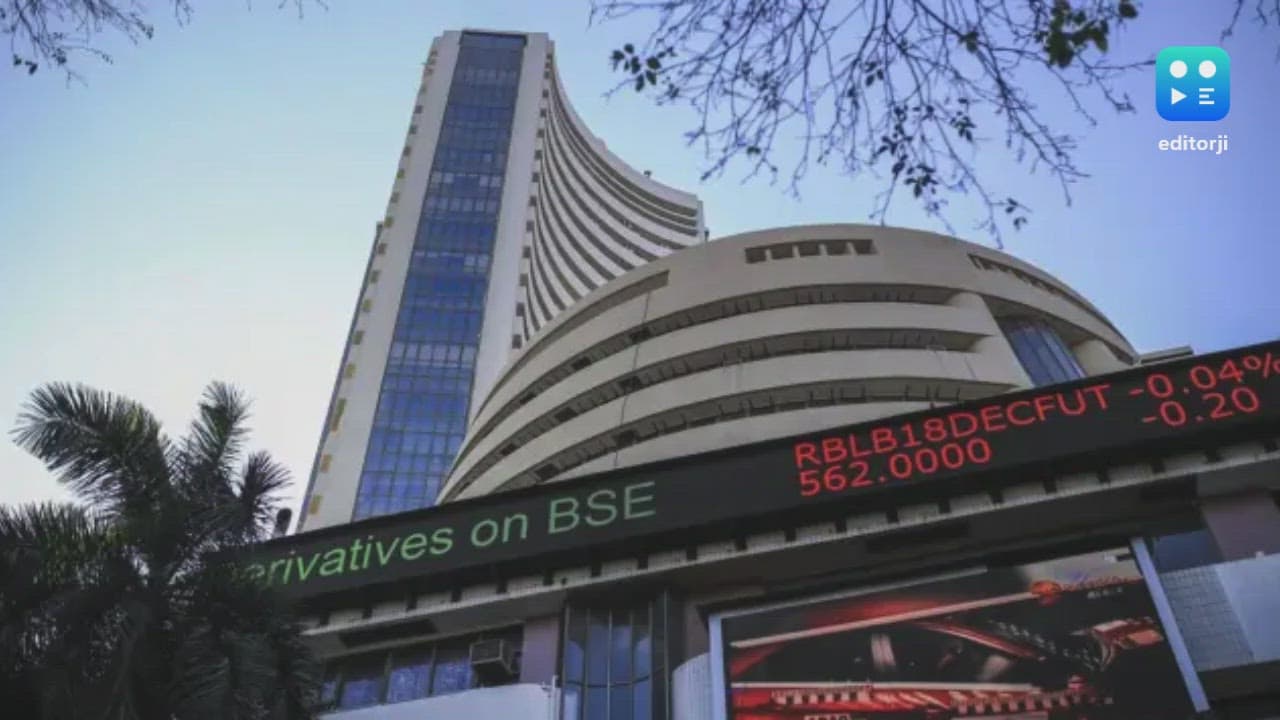
India To Grow 7% In FY27, Next Growth Phase Hinges On Infra, Deeper Capital Markets: S&P Global
India To Grow 7% In FY27, Next Growth Phase Hinges On Infra, Deeper Capital Markets: S&P Global

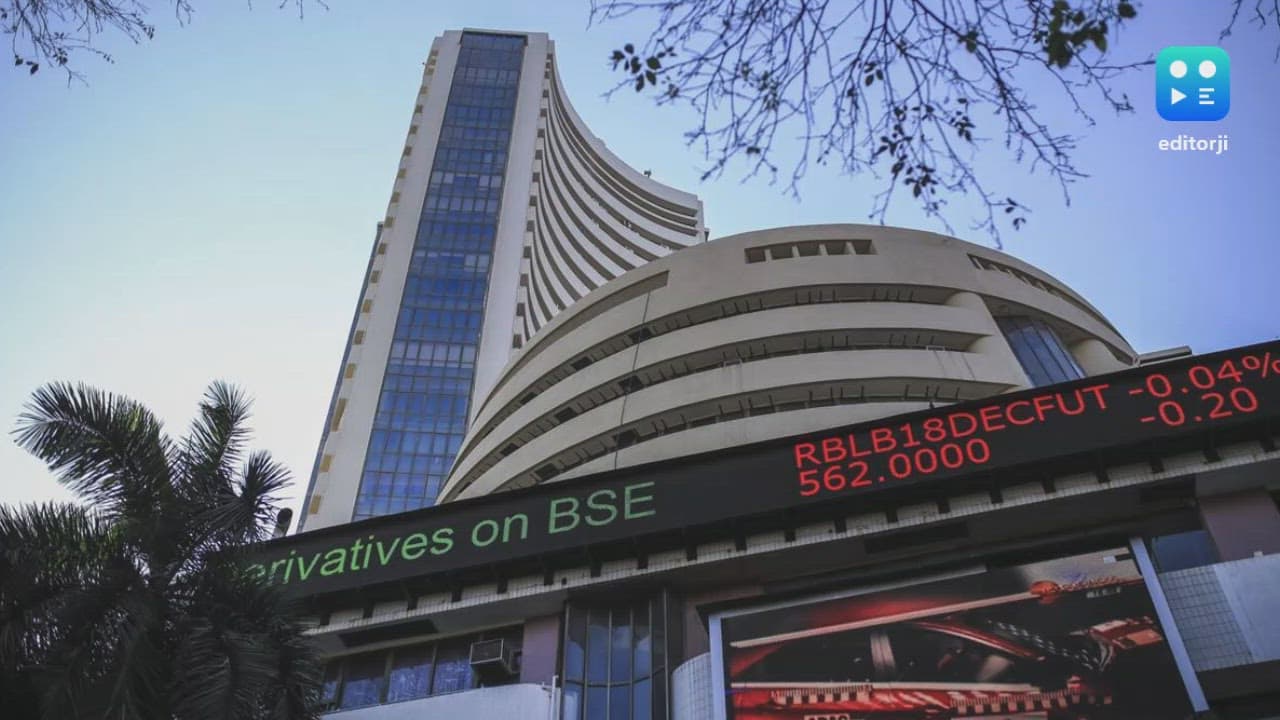
Sensex Falls 49 Points, Nifty Slips 96 As Selling Pressure Returns
Sensex Falls 49 Points, Nifty Slips 96 As Selling Pressure Returns

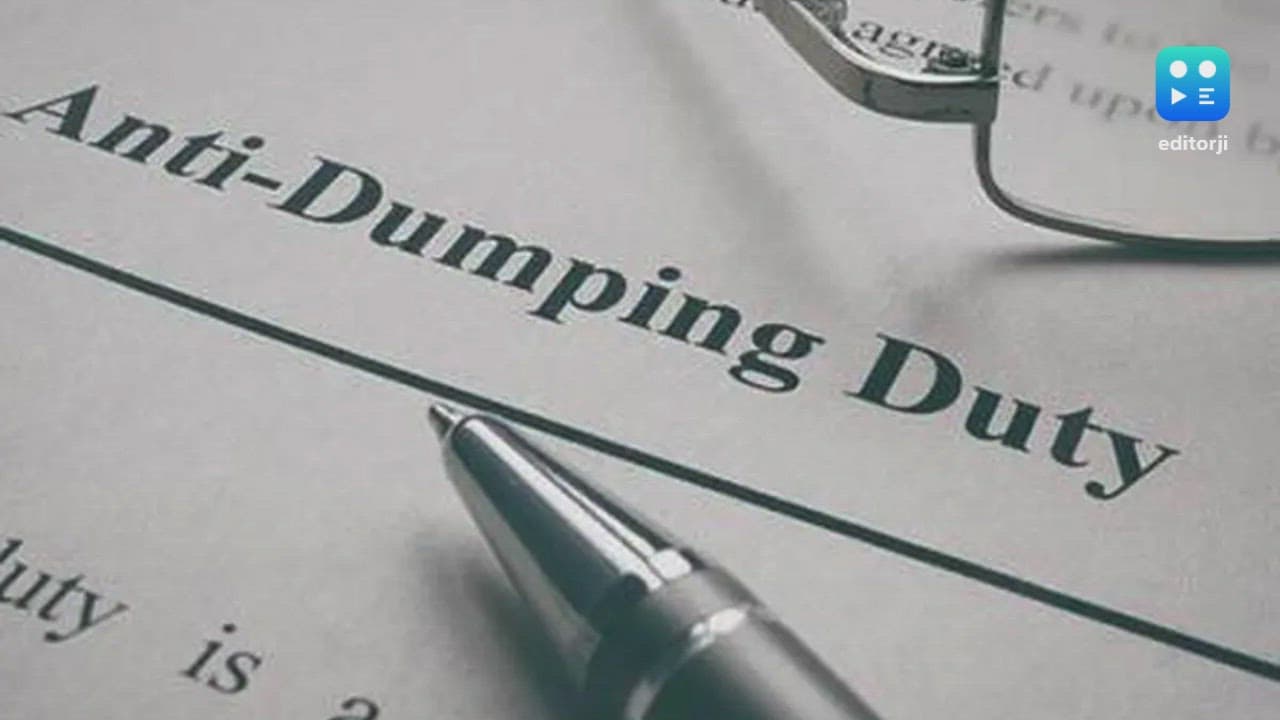
Sensex falls 243 points, Nifty slips 64 points as foreign outflows and crude prices weigh
Sensex falls 243 points, Nifty slips 64 points as foreign outflows and crude prices weigh

India launches anti-dumping probes into 7 Chinese products, including key pharma ingredients
India launches anti-dumping probes into 7 Chinese products, including key pharma ingredients

Sensex crashes 1,124 points, Nifty falls 1.56% as crude surges above $107
Sensex crashes 1,124 points, Nifty falls 1.56% as crude surges above $107

Sensex Rises 315 Points, Nifty Gains 77 as Markets Recover After Sharp Sell-Off
Sensex Rises 315 Points, Nifty Gains 77 as Markets Recover After Sharp Sell-Off

Sensex Crashes 1,248 Points, Nifty Falls 1.64% Amid Global Cues
Sensex Crashes 1,248 Points, Nifty Falls 1.64% Amid Global Cues

Sensex, Nifty End Higher As Domestic Growth Signals, Softer Crude Support Sentiment

Sensex, Nifty End Higher As Domestic Growth Signals, Softer Crude Support Sentiment

UPI Payments In Uzbekistan: Indian Travellers To Get QR-Based Payment Option
UPI Payments In Uzbekistan: Indian Travellers To Get QR-Based Payment Option

India’s Q1 GDP Growth Hits 7.8%, Beats RBI Estimate

India’s Q1 GDP Growth Hits 7.8%, Beats RBI Estimate

Editorji Technologies Pvt. Ltd. © 2022 All Rights Reserved.