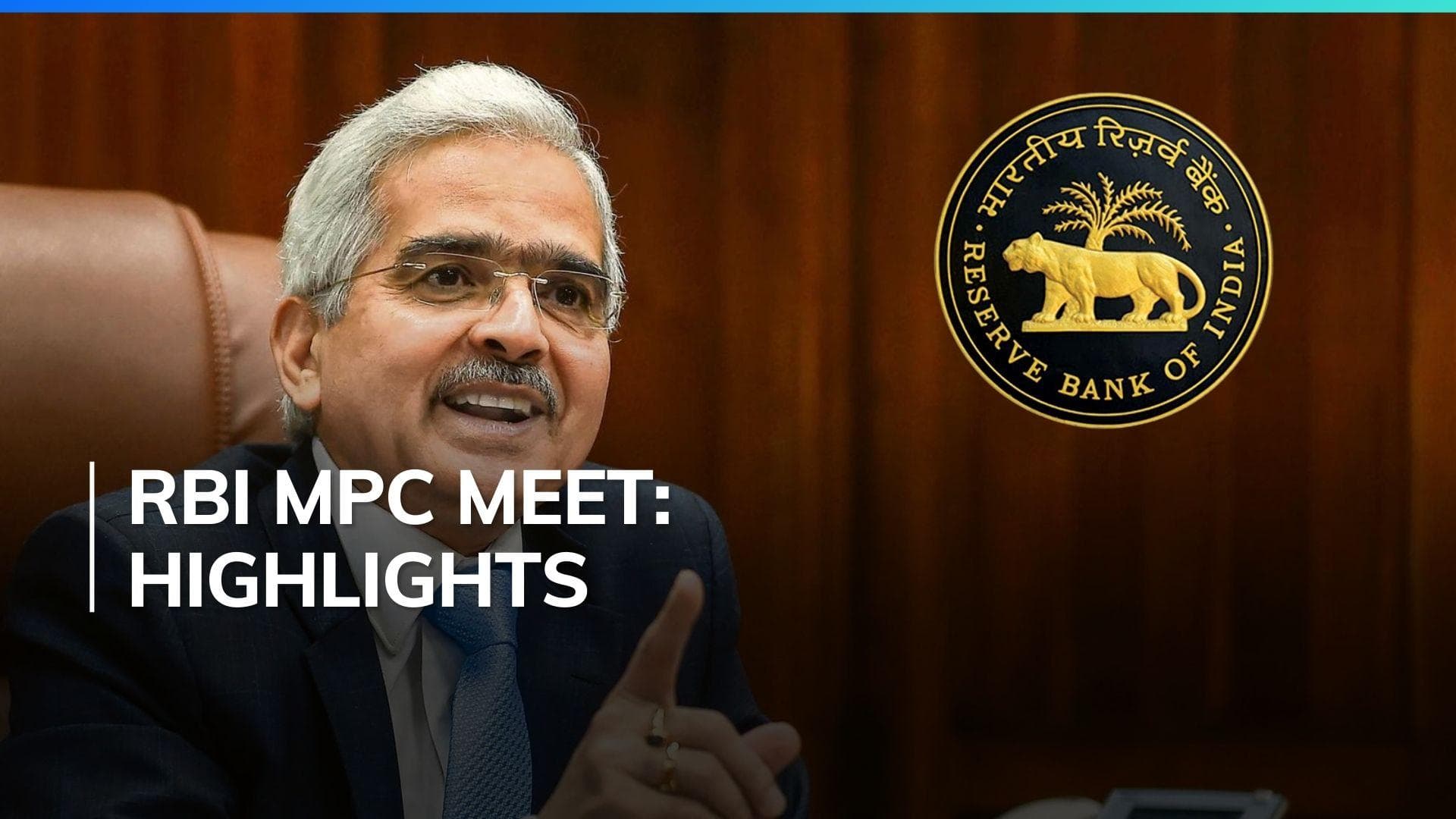
In the first RBI Monetary Policy meet of the financial year 2024-2025, key decisions on UPI, digital currency and green bonds were announced. The MPC committee has also decided to keep repo rate unchanged at 6.5% for the seventh time in a row.
The GDP growth for 2024-25 has been projected at 7% while CPI inflation for the same period is projected at 4.5%.
RBI Monetary Policy April 2024 Highlights: 6 Key Points
Aside from policy-related decisions, other key decisions were announced on UPI, digital currency, and green bonds.
1. UPI Payment at CDMs
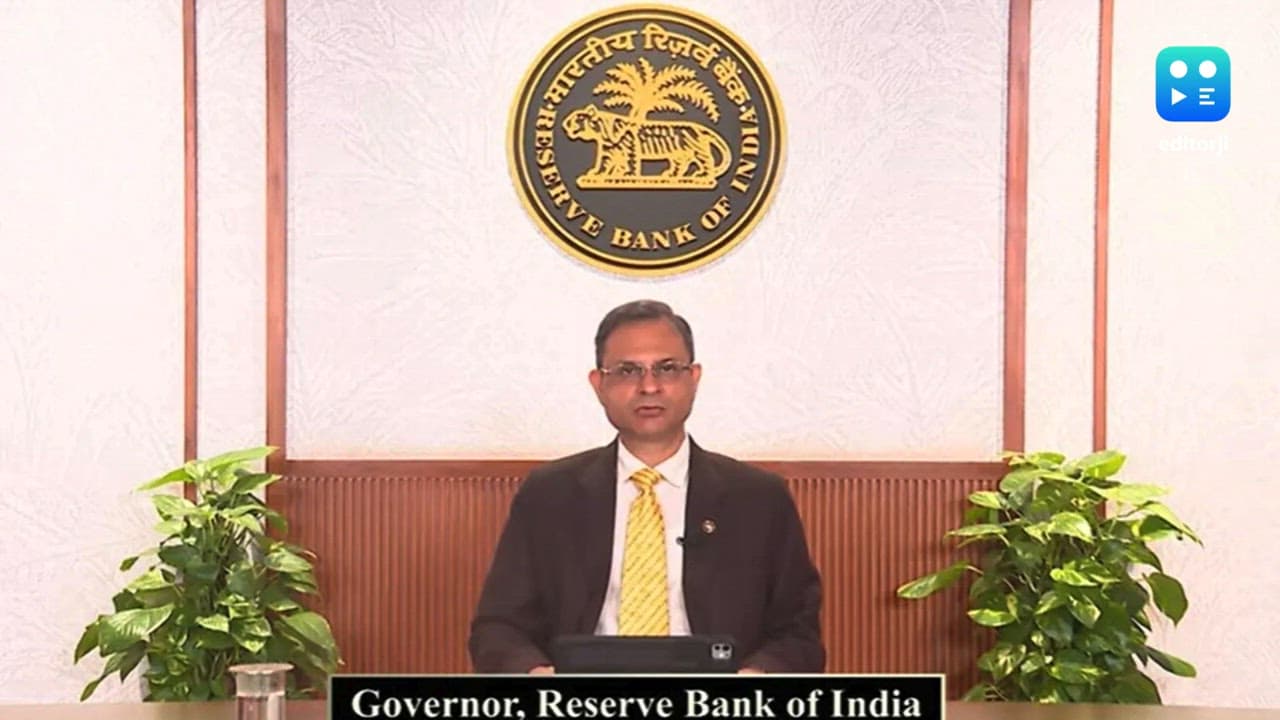
RBI governor Shaktikanta Das has proposed to permit cash deposits at Cash Deposit Machines (CDMs) using UPI.
Also Read: RBI Credit Policy: Repo rate unchanged at 6.5% for 7th time in a row
“Deposit of cash through CDMs is primarily being done through debit cards. Given the experience gained from cardless cash withdrawal through the UPI at the ATMs, it is now proposed to facilitate the deposit of cash in CDMs using UPI." Shaktikanta Das said.
“This will enhance customer convenience, and make the currency-handling process at banks more efficient," the RBI Governor added.
2. UPI Access for Prepaid Instruments
The RBI has announced that now individuals can make payments from prepaid payment instruments like digital wallets using UPI that too through any third party app. As per the governor, wallet holders no longer have to depend upon the PPI wallet issuer in order to make UPI payments, rather individuals can use any third party app in order to transact using unified payment interface (UPI)
3. App to invest in government bonds
The Reserve Bank of India is set to launch a mobile app for the Retail Direct portal. The mobile app will allow investors to invest in different types of government securities such as central government bonds, state government bonds, Treasury bills etc. Currently, a retail investor can invest in these govt securities by logging on the website.
4. Review of Liquidity Coverage ratio framework
The RBI governor said a need has arisen to undertake a comprehensive review of the LCR framework for banks. A draft circular will be issued shortly for stakeholder consultation.
“Technological developments have enabled bank customers to instantly withdraw or transfer money from their bank accounts. While improving customer convenience, this has also created challenges for banks to deal with potential situations when, due to certain factors, a large number of depositors decide to instantly and simultaneously withdraw their money from banks. The developments in certain jurisdictions last year demonstrated the difficulties it can create for banks to deal with such situations,” Das said
5. RBI widens the scope of CBDC
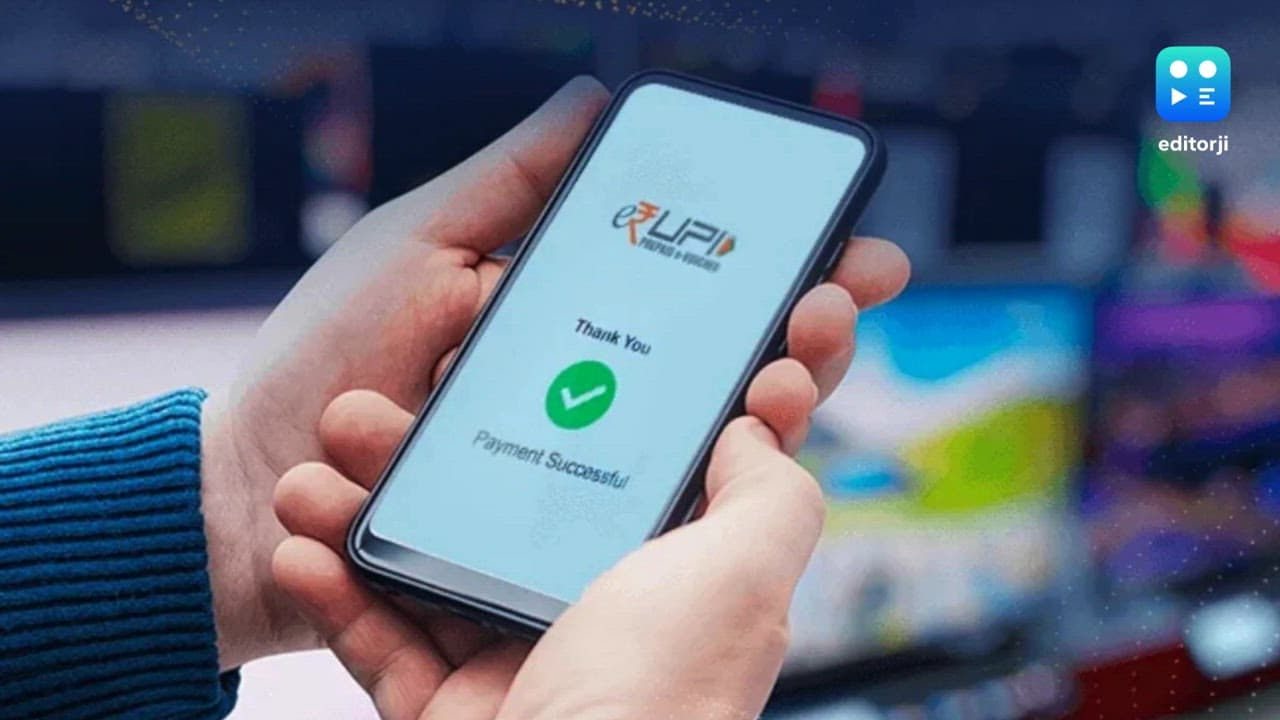
The Reserve Bank of India has widened the scope of Central Bank Digital Currency (CBDC) or e-Rupee. CBDC will be made accessible to broader sectors of customers by enabling non-bank payment system operators to offer CBDC wallets.
“Distribution of CBDCs through Non-bank Payment System Operators CBDC pilots in the Retail and Wholesale segments are underway with more use-cases and more participating banks. Continuing with this approach, it is proposed to make CBDC-Retail accessible to a broader segment of users in a sustained manner, by enabling non-bank payment system operators to offer CBDC wallets. This is expected to enhance access and expand choices available to users apart from testing the resiliency of the CBDC platform to handle multi-channel transactions. Necessary changes will be made to the system to facilitate this”, read RBI's Statement on Developmental and Regulatory Policies issued on April 5, 2024.
The RBI governor further mentioned that the CBDC pilots that are currently in operation is seeing an increasing number of use-cases and participating banks. He further proposed to make CBDC-Retail accessible to a broader segment of users by enabling non-bank payment system operators to offer CBDC wallets which will facilitate testing of the resiliency of CBDC platform to handle multi-channel transactions.
6. Changes in Sovereign Green Bonds investment
The RBI has decided to permit eligible foreign investors in the International Financial Services Centre (IFSC) to also invest in Sovereign Green Bonds (SgrBs). This is with a view to facilitating wider non-resident participation in SgrBs.
Currently, foreign portfolio investors (FPIs) registered with SEBI are permitted to invest in SGrBs under the different routes available for investment by FPIs in government securities.