Highlights

Nvidia reveals SRAM-based chip by 2026. SRAM complements HBM, not replace. Layered memory structures anticipated.

Latest news

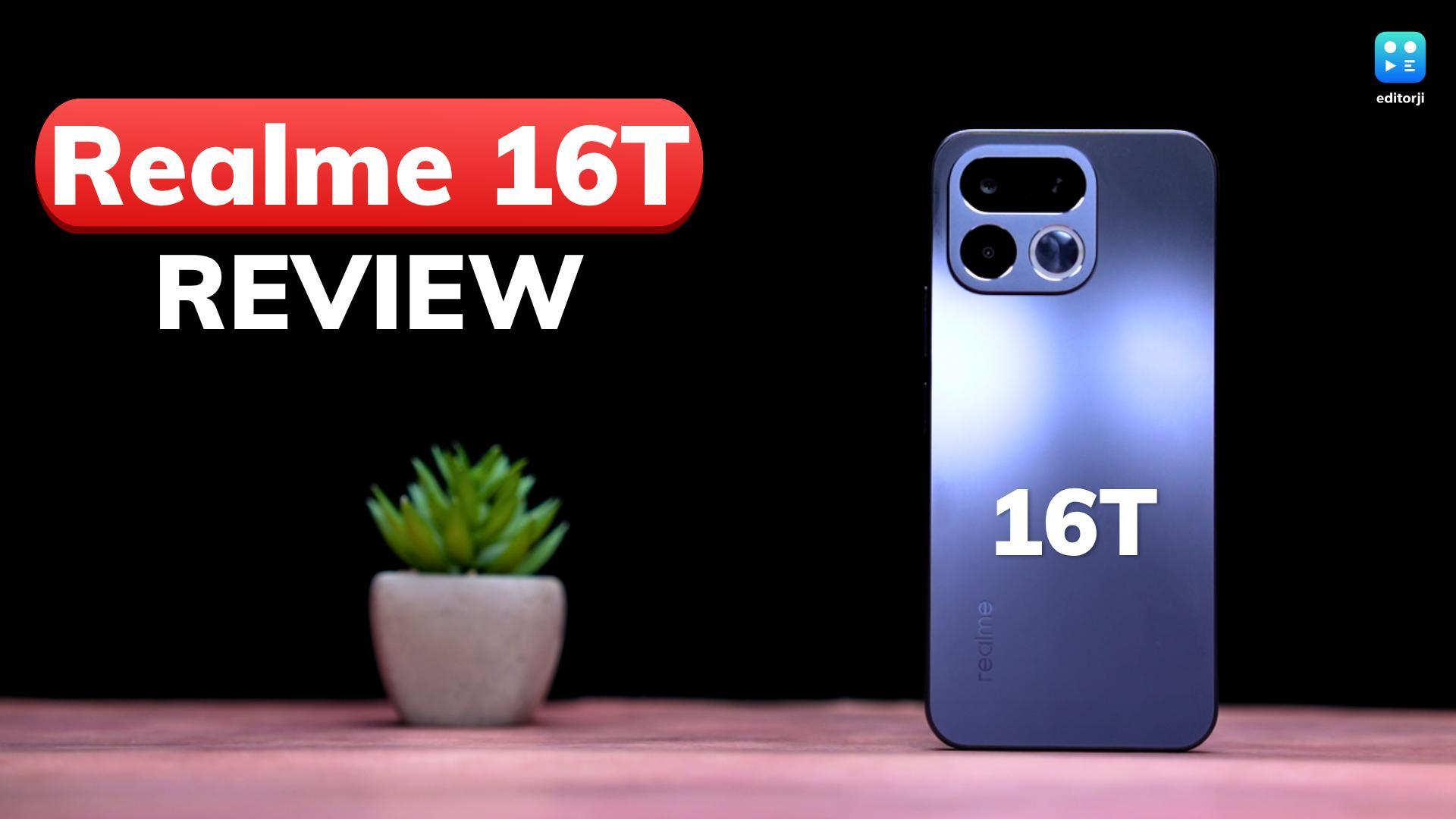
Realme 16T 5G Review: Battery anxiety officially cancelled 

Realme 16T 5G Review: Battery anxiety officially cancelled 

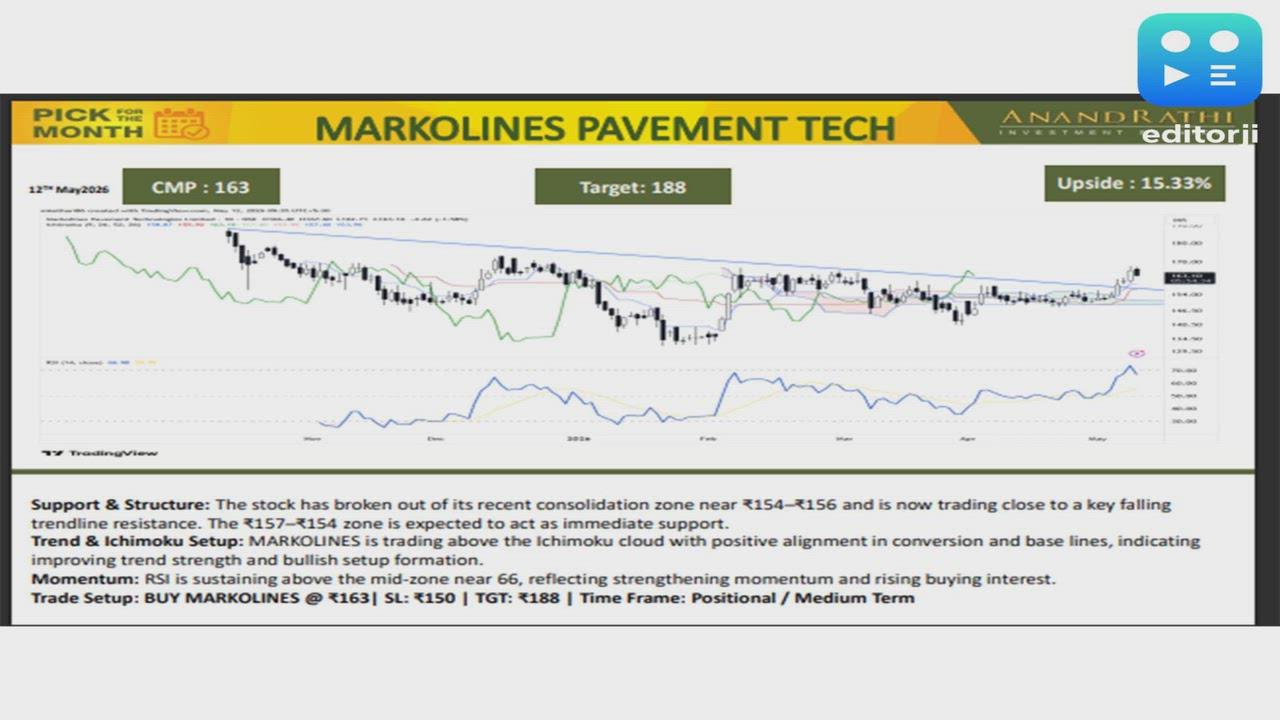
Anand Rathi Picks MARKOLINES as its Stock Pick of the month for target of Rs 188

Anand Rathi Picks MARKOLINES as its Stock Pick of the month for target of Rs 188

US bond market volatility marks first stress test for new Fed Chair Kevin Warsh: Jefferies

US bond market volatility marks first stress test for new Fed Chair Kevin Warsh: Jefferies

BingX Unveils "Infinite Vision" on 8th Anniversary, Accelerating Multi-Asset Expansion

BingX Unveils "Infinite Vision" on 8th Anniversary, Accelerating Multi-Asset Expansion

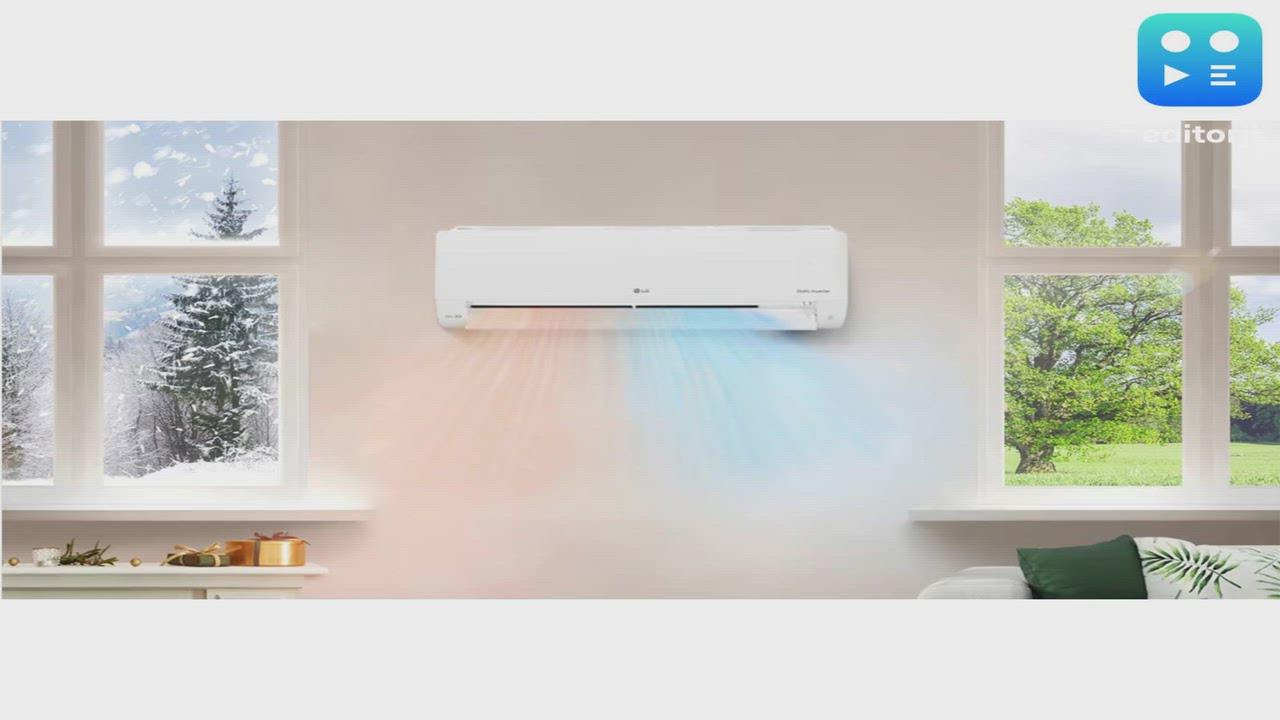
Best Haier ACs to Upgrade Home Cooling in India in 2026

Best Haier ACs to Upgrade Home Cooling in India in 2026

Minister Piyush Goyal highlights high-level meetings undertaken to deepen trade and investment with various countries

Minister Piyush Goyal highlights high-level meetings undertaken to deepen trade and investment with various countries

Samsung Electronics' tentative wage deal draws backlash over chip-heavy bonus plan

Samsung Electronics' tentative wage deal draws backlash over chip-heavy bonus plan

"Hate Michael Jackson for dying": Ram Gopal Varma gets emotional after watching biopic

"Hate Michael Jackson for dying": Ram Gopal Varma gets emotional after watching biopic

New Nvidia AI chip design raises questions over HBM demand: Report

Nvidia's 2026 AI chip design uses on-chip SRAM, enhancing speed. SRAM won't replace HBM but complements it, mainly for ultra-low latency tasks. A layered memory hierarchy, including HBM and DRAM, is expected.

New Nvidia AI chip design raises questions over HBM demand: Report

Seoul [South Korea], March 16 (ANI): Nvidia may unveil a new artificial intelligence inference chip architecture built around on-chip static random access memory, or SRAM, at the Nvidia GTC 2026 conference in San Jose, California, on Monday, raising questions about whether the design could reshape the structure of the AI memory market, Korea Herald reported.
The news report, quoting industry sources, noted that the proposed SRAM-based architecture is expected to take a different approach from the GPU designs currently used in AI data centres.
Today's GPUs process massive datasets by attaching multiple stacks of high-bandwidth memory, or HBM, next to the processor, enabling large volumes of data to be handled at extremely high speeds.
The SRAM-centered design would instead place relatively large SRAM blocks inside the chip itself, reducing data movement and potentially improving processing latency.
The approach, however, comes with design trade-offs. SRAM is notably larger and more expensive than dynamic random access memory, or DRAM, making it difficult to deploy at large capacities. For the same capacity, SRAM cells require roughly five to ten times more silicon area than DRAM cells, according to industry estimates.
As a result, SRAM has traditionally been used as cache or buffer memory in processors rather than as main memory. HBM, by contrast, is designed to deliver extremely high memory bandwidth and has become a key component in AI training and data center workloads.
Some observers have raised concerns that wider use of SRAM could weaken demand for HBM and other main memory technologies. Many experts, however, say the likelihood of SRAM directly replacing HBM remains low because the two technologies serve fundamentally different roles.
"Interpreting SRAM as a replacement for HBM is somewhat exaggerated," the news report quoted an industry source, who spoke on condition of anonymity. "SRAM has traditionally been used as a small-capacity but expensive cache memory located next to the processor."
The source said structural limits make it difficult for SRAM to replace large-capacity memory.
"To achieve the same capacity, SRAM would require roughly five to ten times more silicon area than DRAM," the source said. "It may be useful in certain ultra-low-latency parts of AI chips, but its expansion as a general-purpose memory solution is likely to remain limited."
"For the foreseeable future, HBM will continue to serve as the key near-memory supporting large-scale AI training and inference systems," the source added.
Market analysts also see SRAM-based architectures as more likely to complement existing memory technologies rather than replace them.
Chae Min-sook, an analyst at Korea Investment & Securities, said the introduction of SRAM-centered architectures should be understood as an additional option for specific workloads rather than a strategy to displace HBM or DRAM.
"It is more appropriate to see this as a solution targeting certain ultra-low-latency data center workloads or edge applications," she said.
"Large-scale model training and general inference servers will still rely on HBM and DRAM as their main memory," Chae said. "As AI computing evolves, the industry is likely to move toward a more layered memory hierarchy composed of SRAM, HBM and DRAM."
Academics also see limited near-term disruption to the existing memory landscape.
Lee Jong-hwan, a professor of system semiconductor engineering at Sangmyung University, said any structural shift would likely unfold gradually rather than abruptly.
"Even if architectural changes occur, they are unlikely to cause immediate disruption," Lee said. "Companies such as Samsung Electronics and SK hynix dominate the global memory market, meaning any technology transition would likely proceed at a controlled pace."
"SRAM is still one type of memory, so from the perspective of memory manufacturers it would not necessarily pose a major problem," the professor added. (ANI)

(This article was generated from news agency ANI without modifications to the text.)

ADVERTISEMENT

Up Next

New Nvidia AI chip design raises questions over HBM demand: Report

New Nvidia AI chip design raises questions over HBM demand: Report

How much does a ULIP plan really cost? A break-down of all charges

How much does a ULIP plan really cost? A break-down of all charges

Centre plans to borrow Rs 8.20 lakh cr from market in first half of FY27

Centre plans to borrow Rs 8.20 lakh cr from market in first half of FY27

Reliance denies buying Iranian oil amid US sanctions waiver

Reliance denies buying Iranian oil amid US sanctions waiver

Premium petrol price up Rs 2, industrial diesel up Rs 22; no change in normal petrol, diesel rates

Premium petrol price up Rs 2, industrial diesel up Rs 22; no change in normal petrol, diesel rates

India's GDP expected to register over 8 pc growth in Sep-Dec: Report

India's GDP expected to register over 8 pc growth in Sep-Dec: Report

ADVERTISEMENT

editorji-whatsApp

More videos

Govt announces seven measures to help boost exports

Govt announces seven measures to help boost exports

RBI keeps interest rates on hold after US trade deal boosts outlook

RBI keeps interest rates on hold after US trade deal boosts outlook

RBI proposes to compensate customers up to Rs 25,000 loss due to fraud

RBI proposes to compensate customers up to Rs 25,000 loss due to fraud

RBI raises GDP growth projection of Q1, Q2 of FY27

RBI raises GDP growth projection of Q1, Q2 of FY27

RBI pauses rate cuts, retains interest rate at 5.25 pc

RBI pauses rate cuts, retains interest rate at 5.25 pc

Rupee jumps 122 paise to close at 90.27 against US dollar on India-US trade deal

Rupee jumps 122 paise to close at 90.27 against US dollar on India-US trade deal

Stock markets cheer India-US trade deal: Sensex, Nifty surge 2.5 pc

Stock markets cheer India-US trade deal: Sensex, Nifty surge 2.5 pc

UPI transactions hit record high of Rs 230 lakh crore in 2025-26 till Dec: Govt

UPI transactions hit record high of Rs 230 lakh crore in 2025-26 till Dec: Govt

Explained: India-US trade deal, tariffs and trade benefits

Explained: India-US trade deal, tariffs and trade benefits

Trade deal with US adds momentum to India's growth ambition: Industry leaders

Trade deal with US adds momentum to India's growth ambition: Industry leaders

Editorji Technologies Pvt. Ltd. © 2022 All Rights Reserved.