Highlights

1. NBFCs have ECL lead since 2018.
2. Robust preparations for stricter norms.
3. Minimal impact predicted for balance sheets.

Latest news

AI, aesthetics drive India's smartphone market, consumers willing to pay more for preferred choices: Report

AI, aesthetics drive India's smartphone market, consumers willing to pay more for preferred choices: Report

Ammucare Advances a 22-Year Humanitarian Legacy with the Launch of Compassion on Wheels

Ammucare Advances a 22-Year Humanitarian Legacy with the Launch of Compassion on Wheels

PhonePe surpasses 700 million registered users, accelerates growth momentum

PhonePe surpasses 700 million registered users, accelerates growth momentum

India's GDP forecast of 7-7.4% for FY27 clouded by West Asia war: Finance Ministry

India's GDP forecast of 7-7.4% for FY27 clouded by West Asia war: Finance Ministry

Shaping Future-Ready School Leaders: Woxsen University Leads Design Thinking Initiative for Principals

Shaping Future-Ready School Leaders: Woxsen University Leads Design Thinking Initiative for Principals

Fere AI Raises USD 1.3M to Put a Self-Improving Trading Agent in Everyone's Hands

Fere AI Raises USD 1.3M to Put a Self-Improving Trading Agent in Everyone's Hands

Why Car Buyers are Preferring Used Cars in 2026

Why Car Buyers are Preferring Used Cars in 2026

EcoMedia Solutions introduces 'EcoMeter' to bring carbon accountability into advertising, media and marketing & events

EcoMedia Solutions introduces 'EcoMeter' to bring carbon accountability into advertising, media and marketing & events

If extended, RBI's ECL norms unlikely to materially disrupt NBFCs; sector largely compliant: Report

NBFCs in India are poised to handle potential ECL norms similar to banks. With robust provisioning practices since 2018, most NBFCs exceed anticipated requirements, minimizing the impact on their financial stability.

If extended, RBI's ECL norms unlikely to materially disrupt NBFCs; sector largely compliant: Report

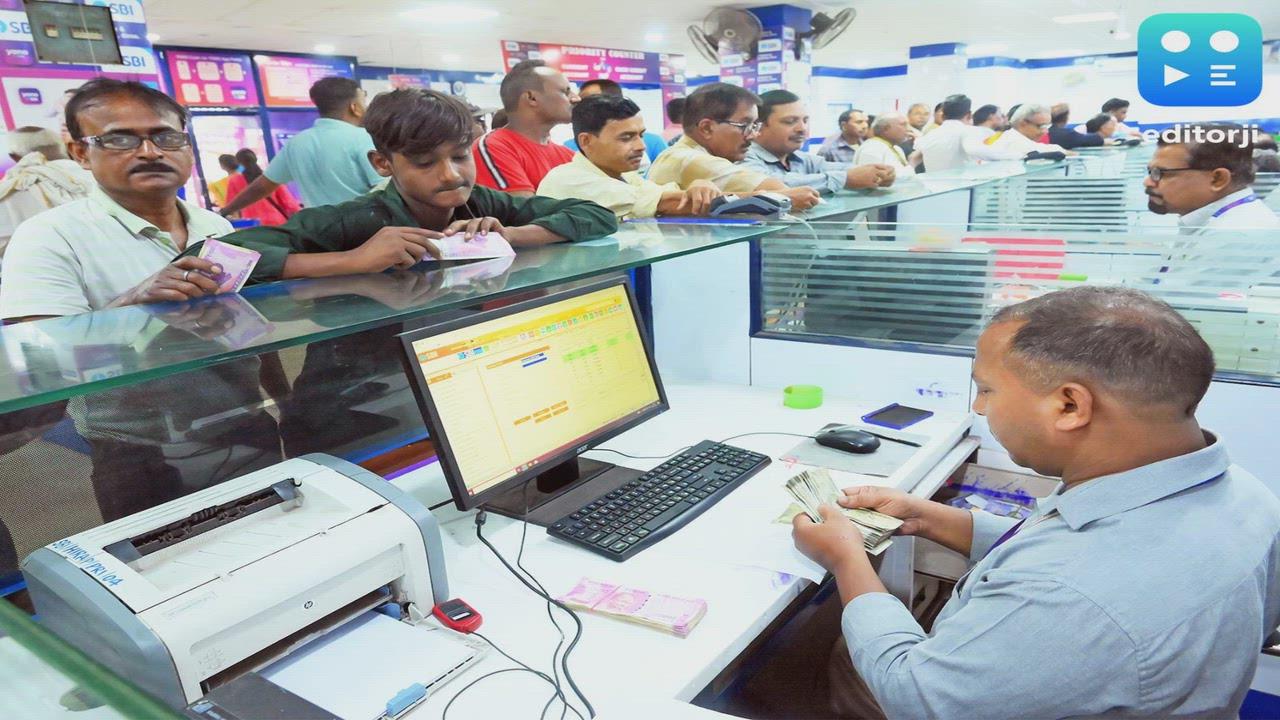
Mumbai (Maharashtra) [India], April 30 (ANI): Non-banking financial companies (NBFCs) in India are largely well-positioned to absorb the impact of expected credit loss (ECL) provisioning norms, with most entities already maintaining adequate buffers, according to a recent report by Kotak Institutional Equities.
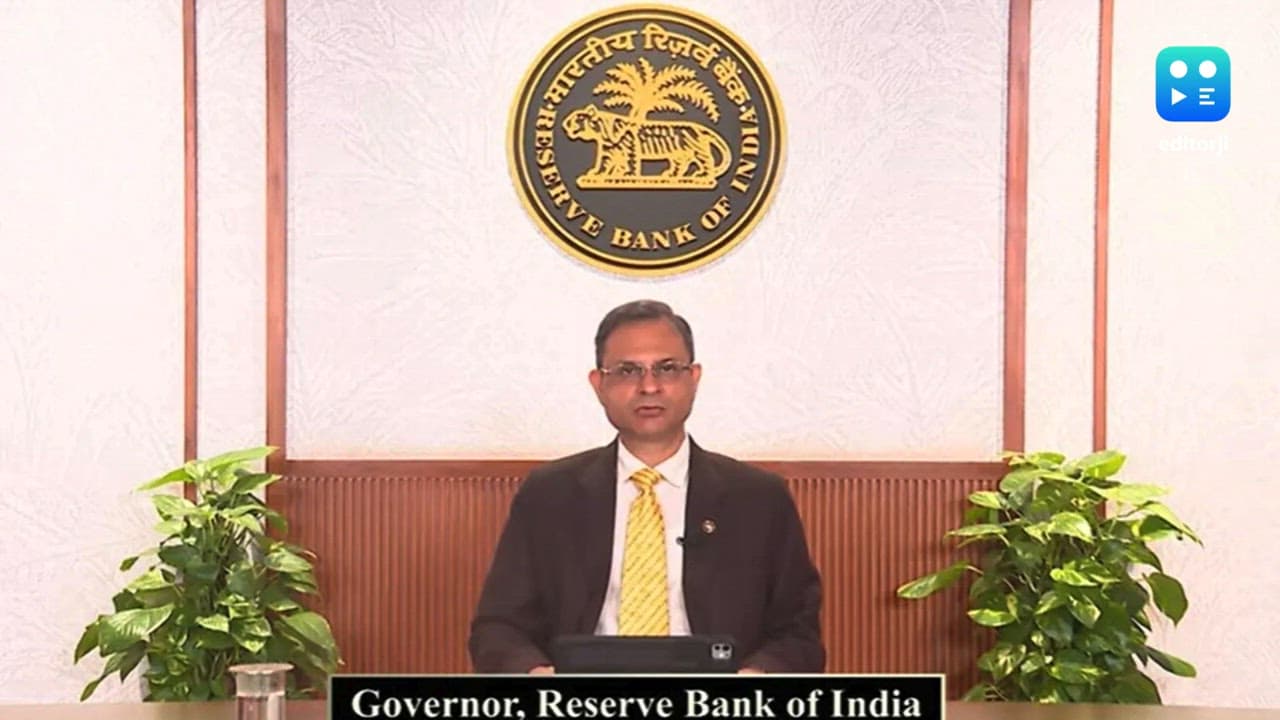
The Reserve Bank of India (RBI) has finalised ECL guidelines for banks, effective FY2028, introducing minimum provisioning floors across loan categories to ensure prudence and reduce model risk.
While these floors currently apply only to banks, the report indicates that if similar norms are extended to NBFCs, the impact is expected to be manageable. NBFCs have already been following ECL-based provisioning since FY 2018, giving them a significant head start over banks.
Over the past eight years, NBFCs have refined their ECL models through multiple credit cycles, including demonetisation and the Covid-19 disruption. This has led to dynamic adjustments in provisioning coverage, reflecting both asset quality stress and subsequent recoveries.
Unlike banks, however, NBFCs are not currently subject to the RBI's prescribed minimum ECL floors. They instead reconcile ECL provisions with Income Recognition, Asset Classification, and Provisioning (IRAC) norms, with any shortfall adjusted through impairment reserves. IRAC norms mandate a 90-day delinquency for classifying loans as NPAs.
If bank-like provisioning floors applied to NBFCs, the report says that most players would remain compliant. Under a base-case assumption of three-year ageing for stage-3 loans, the majority of NBFCs meet or exceed required provisioning levels. In a more conservative scenario, assuming four-year ageing, a few entities may face marginal provisioning gaps, though not significant enough to materially affect balance sheets.
If applied, large NBFCs maintain overall ECL coverage which are significantly above minimum requirements, indicating strong provisioning discipline. At a segmental level, provisioning remains higher than regulatory floors across most loan categories, though minor shortfalls may persist in select portfolios.
ECL coverage ratios, which had risen sharply during the pandemic, have moderated in recent years as asset quality improved and credit costs normalised.
Overall, the sector appears structurally prepared for tighter provisioning norms. The introduction of ECL floors--if extended to NBFCs--is unlikely to cause systemic disruption, though it may lead to incremental provisioning in select cases. (ANI)

(This article was generated from news agency ANI without modifications to the text.)

ADVERTISEMENT

Up Next

If extended, RBI's ECL norms unlikely to materially disrupt NBFCs; sector largely compliant: Report

If extended, RBI's ECL norms unlikely to materially disrupt NBFCs; sector largely compliant: Report

Centre plans to borrow Rs 8.20 lakh cr from market in first half of FY27

Centre plans to borrow Rs 8.20 lakh cr from market in first half of FY27

Reliance denies buying Iranian oil amid US sanctions waiver
Reliance denies buying Iranian oil amid US sanctions waiver

Premium petrol price up Rs 2, industrial diesel up Rs 22; no change in normal petrol, diesel rates

Premium petrol price up Rs 2, industrial diesel up Rs 22; no change in normal petrol, diesel rates

India's GDP expected to register over 8 pc growth in Sep-Dec: Report

India's GDP expected to register over 8 pc growth in Sep-Dec: Report

Govt announces seven measures to help boost exports

Govt announces seven measures to help boost exports

ADVERTISEMENT

editorji-whatsApp

More videos

RBI keeps interest rates on hold after US trade deal boosts outlook

RBI keeps interest rates on hold after US trade deal boosts outlook

RBI proposes to compensate customers up to Rs 25,000 loss due to fraud
RBI proposes to compensate customers up to Rs 25,000 loss due to fraud

RBI raises GDP growth projection of Q1, Q2 of FY27
RBI raises GDP growth projection of Q1, Q2 of FY27

RBI pauses rate cuts, retains interest rate at 5.25 pc
RBI pauses rate cuts, retains interest rate at 5.25 pc

Rupee jumps 122 paise to close at 90.27 against US dollar on India-US trade deal

Rupee jumps 122 paise to close at 90.27 against US dollar on India-US trade deal

Stock markets cheer India-US trade deal: Sensex, Nifty surge 2.5 pc

Stock markets cheer India-US trade deal: Sensex, Nifty surge 2.5 pc

UPI transactions hit record high of Rs 230 lakh crore in 2025-26 till Dec: Govt
UPI transactions hit record high of Rs 230 lakh crore in 2025-26 till Dec: Govt

Explained: India-US trade deal, tariffs and trade benefits

Explained: India-US trade deal, tariffs and trade benefits

Trade deal with US adds momentum to India's growth ambition: Industry leaders

Trade deal with US adds momentum to India's growth ambition: Industry leaders

Rupee jumps 119 paise to 90.30 against the US dollar on India-US trade deal

Rupee jumps 119 paise to 90.30 against the US dollar on India-US trade deal

Editorji Technologies Pvt. Ltd. © 2022 All Rights Reserved.