Highlights

Middle-income economies lead growth. WEF identifies key policy areas. Asia dominates future economic contributions.

Latest news
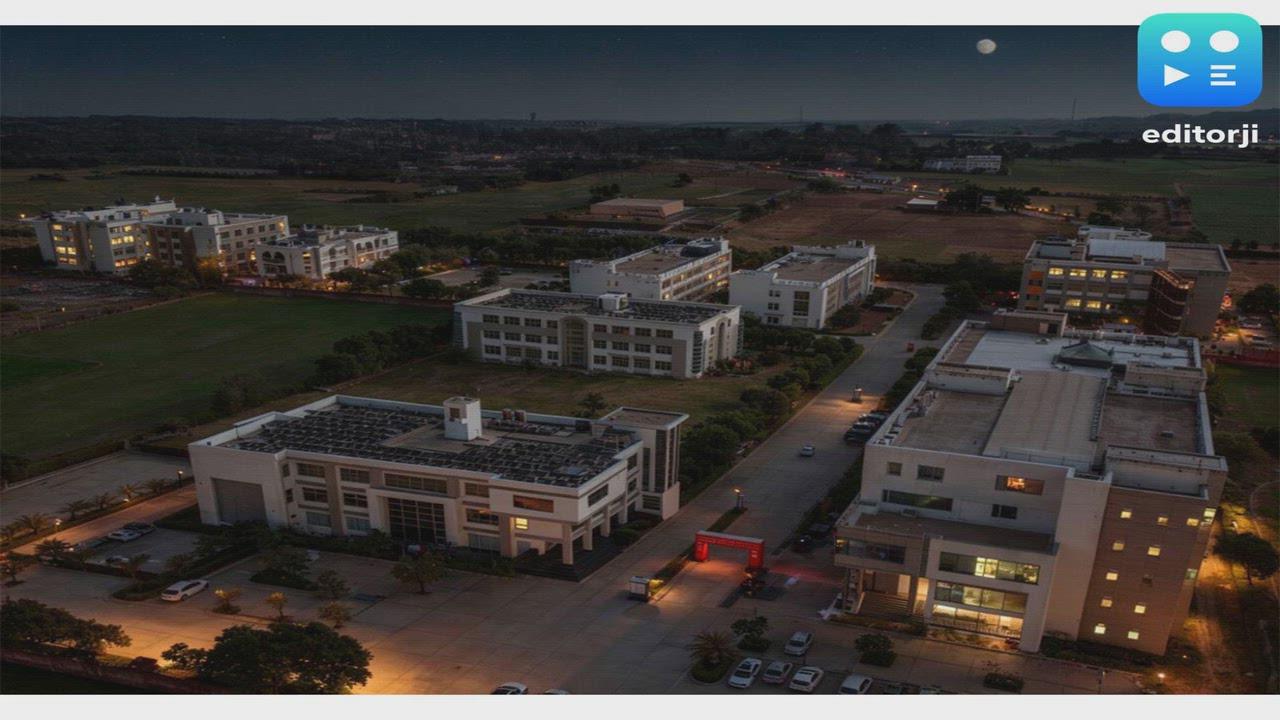
Geeta University (Panipat, Delhi NCR): Annual Progress Report (2025-2026)

Geeta University (Panipat, Delhi NCR): Annual Progress Report (2025-2026)

Shyam Group Highlights Shyam Serene: Prime Investment Gateway to Dholera SIR

Shyam Group Highlights Shyam Serene: Prime Investment Gateway to Dholera SIR

Compassion Unites: Cross-Sector Mental Health Alliance Convened at UK Parliament

Compassion Unites: Cross-Sector Mental Health Alliance Convened at UK Parliament

Pune RMC Plants Temporarily Pause Operations from April 16

Pune RMC Plants Temporarily Pause Operations from April 16

Demi Moore to star in high-stakes culinary thriller 'Tyrant'
Demi Moore to star in high-stakes culinary thriller 'Tyrant'

Anant National University to Offer Up to 100% Scholarships to UCEED 2026 Rankers

Anant National University to Offer Up to 100% Scholarships to UCEED 2026 Rankers

Focker-in-law trailer: Ariana Grande attempts to free her boyfriend from dependent relationship with Stiller

Focker-in-law trailer: Ariana Grande attempts to free her boyfriend from dependent relationship with Stiller

Ministry of coal to launch 15th round of commercial coal mine auctions on April 17

Ministry of coal to launch 15th round of commercial coal mine auctions on April 17

Middle-income economies to drive global growth as new challenges emerge: WEF

The WEF report finds middle-income economies primed for growth, driven by sectors like IT and healthcare. Strategic policy frameworks are needed amidst global challenges. Asia is the main growth contributor by 2030, with investment and demand as key growth drivers.

Middle-income economies to drive global growth as new challenges emerge: WEF

New Delhi, [India] April 16 (ANI): Middle-income economies are set to power the next phase of global expansion, even as the world economy confronts a new wave of structural challenges, according to a latest report by the World Economic Forum (WEF).
In its report, "Growth in the New Economy: Towards a Blueprint," the WEF outlines a shifting global landscape shaped by rapid artificial intelligence adoption, rising geopolitical tensions, mounting public and private debt, and increasing environmental and demographic pressures. These forces, it notes, are weakening traditional growth models and demanding new policy approaches.
Energy costs and political instability currently remain key constraints across regions. However, sectors such as IT services, advanced manufacturing, healthcare, and leisure are expected to emerge as major engines of growth in the years ahead.
The report identifies four core policy areas where governments and businesses must adopt strategic approaches while navigating complex trade-offs:
Technology, productivity and human capital: Sustained growth will depend on improving productivity and investing in human capital. Policymakers face choices between coordinated versus competition-driven innovation models, and between redistribution-focused and mobility-based inclusion strategies.
Global cooperation and domestic capacity: While leveraging comparative advantage and diversification remain key "no-regret" strategies, countries must balance global integration with strengthening domestic resilience, choosing between self-reliance and deeper international engagement.
Business environment and role of government: Reinforcing economic fundamentals such as institutional credibility, infrastructure, and macroeconomic stability remains essential. Governments must also navigate fiscal challenges, balancing prudence with alternative approaches to managing high debt levels.
Sustainability and economic policy: The transition to greener growth presents opportunities for long-term resilience but involves significant cost trade-offs. Policymakers must weigh investment-led approaches against cost-containment strategies.
WEF noted that middle-income economies are projected to contribute nearly two-thirds of global GDP growth by 2030, with Asia expected to account for over half of global growth. In contrast, low-income economies, despite faster growth rates, are expected to contribute only marginally.
In advanced economies, skill shortages and regulatory rigidities are major concerns, while in lower-income countries, access to finance and infrastructure gaps remain critical challenges.
Looking ahead, frontier technologies and the green energy transition are expected to drive investment, while rising debt, climate risks, and societal polarization could act as headwinds.
Demographic trends are also set to influence growth trajectories, with ageing populations slowing expansion in parts of Asia and Europe, while younger populations in regions such as the Middle East and Africa may support growth.
The report further notes that domestic corporate investment and foreign demand will be the primary drivers of growth over the next five years, as high public debt and weak income growth limit the role of public spending and consumption.
The findings are based on consultations with nearly 200 global leaders and a survey of over 11,000 executives across 118 countries conducted between 2024 and 2026.
The WEF said its ongoing Future of Growth Initiative will continue to explore emerging economic trends and pathways for sustainable and resilient growth. (ANI)

(This article was generated from news agency ANI without modifications to the text.)

ADVERTISEMENT

Up Next

Middle-income economies to drive global growth as new challenges emerge: WEF

Middle-income economies to drive global growth as new challenges emerge: WEF

Centre plans to borrow Rs 8.20 lakh cr from market in first half of FY27
Centre plans to borrow Rs 8.20 lakh cr from market in first half of FY27

Reliance denies buying Iranian oil amid US sanctions waiver
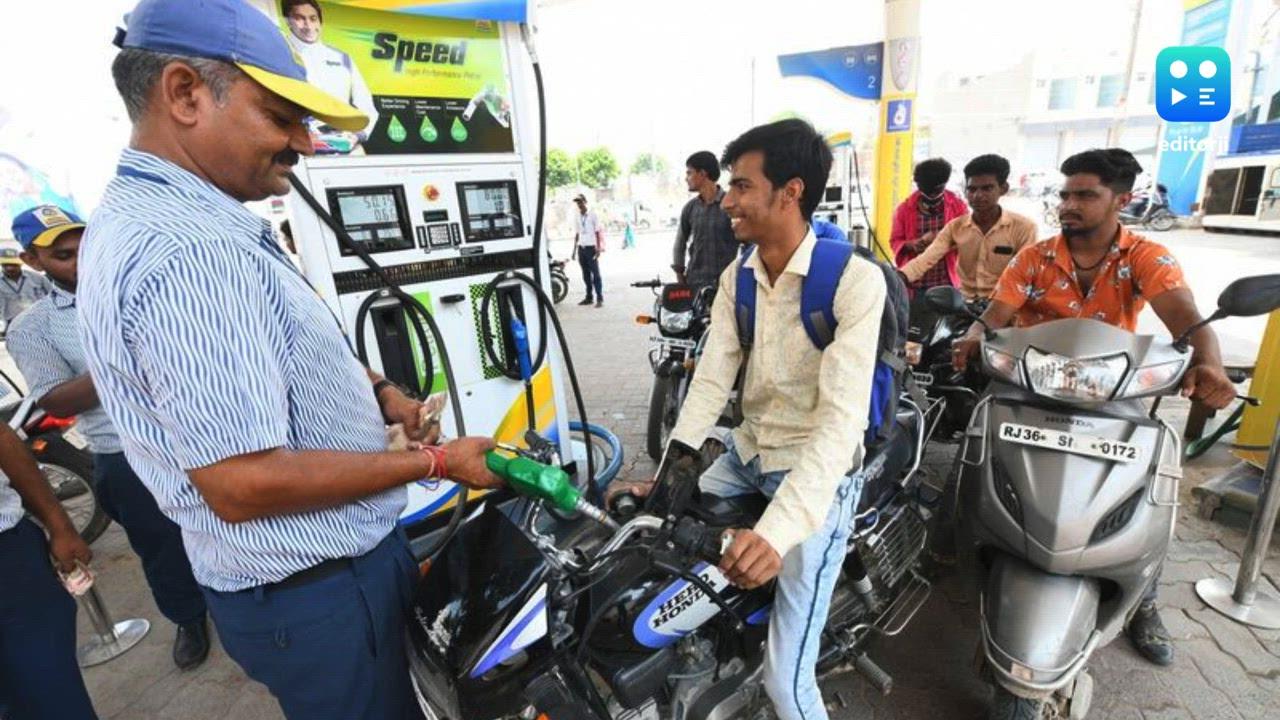
Reliance denies buying Iranian oil amid US sanctions waiver

Premium petrol price up Rs 2, industrial diesel up Rs 22; no change in normal petrol, diesel rates

Premium petrol price up Rs 2, industrial diesel up Rs 22; no change in normal petrol, diesel rates

India's GDP expected to register over 8 pc growth in Sep-Dec: Report

India's GDP expected to register over 8 pc growth in Sep-Dec: Report

Govt announces seven measures to help boost exports

Govt announces seven measures to help boost exports

ADVERTISEMENT

editorji-whatsApp

More videos

RBI keeps interest rates on hold after US trade deal boosts outlook

RBI keeps interest rates on hold after US trade deal boosts outlook

RBI proposes to compensate customers up to Rs 25,000 loss due to fraud
RBI proposes to compensate customers up to Rs 25,000 loss due to fraud

RBI raises GDP growth projection of Q1, Q2 of FY27
RBI raises GDP growth projection of Q1, Q2 of FY27

RBI pauses rate cuts, retains interest rate at 5.25 pc
RBI pauses rate cuts, retains interest rate at 5.25 pc

Rupee jumps 122 paise to close at 90.27 against US dollar on India-US trade deal

Rupee jumps 122 paise to close at 90.27 against US dollar on India-US trade deal

Stock markets cheer India-US trade deal: Sensex, Nifty surge 2.5 pc

Stock markets cheer India-US trade deal: Sensex, Nifty surge 2.5 pc

UPI transactions hit record high of Rs 230 lakh crore in 2025-26 till Dec: Govt
UPI transactions hit record high of Rs 230 lakh crore in 2025-26 till Dec: Govt

Explained: India-US trade deal, tariffs and trade benefits

Explained: India-US trade deal, tariffs and trade benefits

Trade deal with US adds momentum to India's growth ambition: Industry leaders

Trade deal with US adds momentum to India's growth ambition: Industry leaders

Rupee jumps 119 paise to 90.30 against the US dollar on India-US trade deal

Rupee jumps 119 paise to 90.30 against the US dollar on India-US trade deal

Editorji Technologies Pvt. Ltd. © 2022 All Rights Reserved.