Highlights

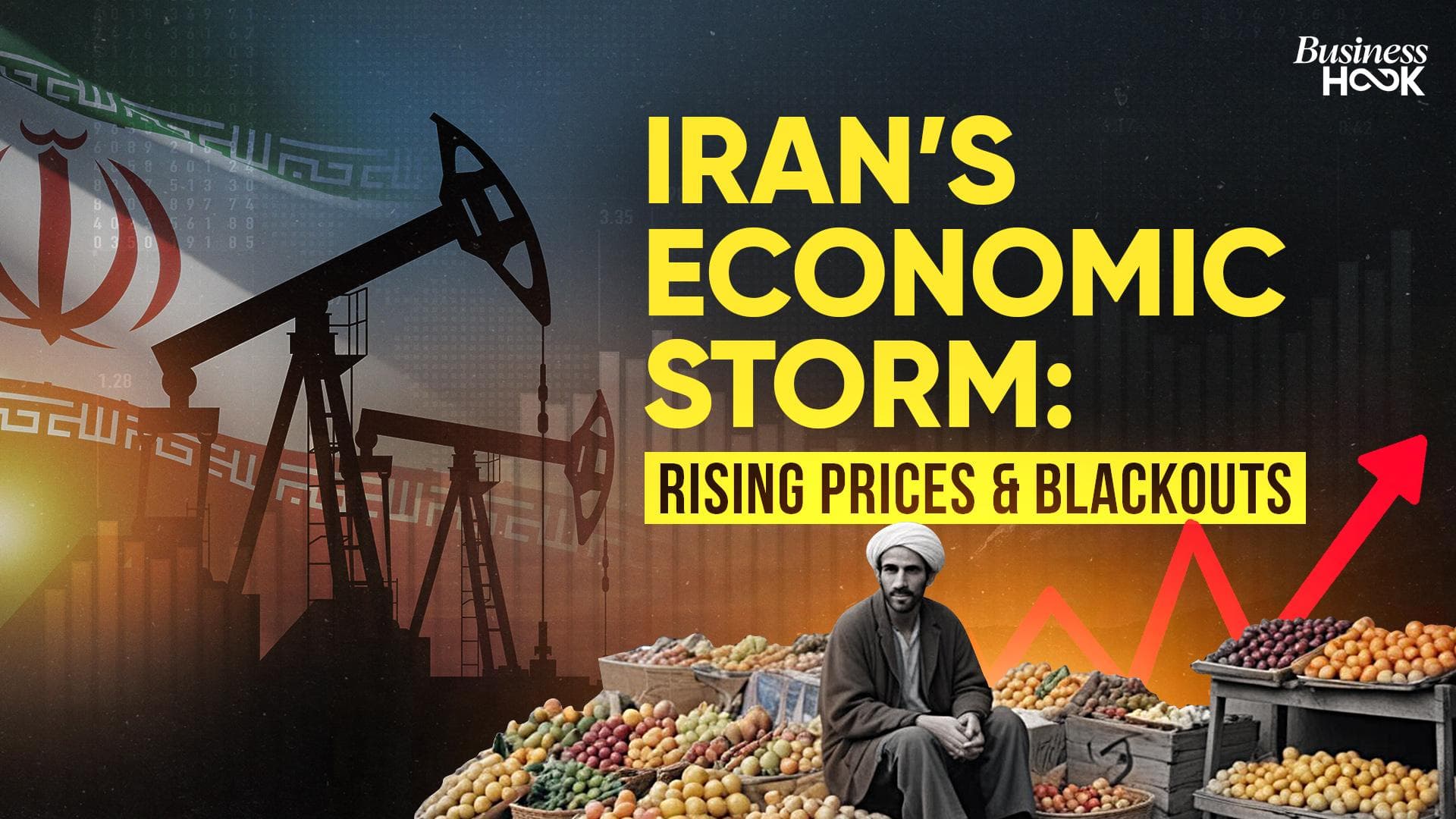
  • Iran — a place where Western sanctions, outdated infrastructure, and a spike in regional tensions are brewing the perfect economic storm
  • Bread prices alone have jumped a shocking 200% in the past year

Latest news

Indian businesses can replace void left by Western companies in Russia, says Roscongress CEO Stuglev

Indian businesses can replace void left by Western companies in Russia, says Roscongress CEO Stuglev

Regulator DGCA eases flight duty norms for pilots amid IndiGo crisis

Regulator DGCA eases flight duty norms for pilots amid IndiGo crisis

Dalai Lama launches 'Forest Resources in India' focused on climate, conservation and community

Dalai Lama launches 'Forest Resources in India' focused on climate, conservation and community

RBI raises FY26 GDP growth projection to 7.3 pc

RBI raises FY26 GDP growth projection to 7.3 pc

AAP to hold farmers’ Mahapanchayat in Gujarat's Amreli on December 7 amid crop loss crisis

AAP to hold farmers’ Mahapanchayat in Gujarat's Amreli on December 7 amid crop loss crisis

OnePlus marks 12 years in India with a new six-star lineup for the 15R reveal

OnePlus marks 12 years in India with a new six-star lineup for the 15R reveal

India not neutral, it is on side of peace: PM Modi to Putin on Ukraine conflict

India not neutral, it is on side of peace: PM Modi to Putin on Ukraine conflict

Rory McIlroy Survives Cut at Dramatic Australian Open

Rory McIlroy Survives Cut at Dramatic Australian Open

Iran’s Economic Crisis: Bread Prices Soar, Blackouts Worsen Amid Rising Tensions

For over a decade, a relentless wave of international sanctions has battered Iran’s economy. The result? A GDP growth rate that hasn’t come close to 2011 levels

Iran’s Economic Crisis: Bread Prices Soar, Blackouts Worsen Amid Rising Tensions

Skyrocketing bread prices.
Frequent power cuts.
Shortage of essential medicines.
Dramatic rent increases.
Unstable currency.

How did a country so rich in oil and gas end up struggling with all these challenges?Welcome to Iran — a place where Western sanctions, outdated infrastructure, and a spike in regional tensions are brewing the perfect economic storm.

But just how deep do these problems go? Let’s start with sanctions.For over a decade, a relentless wave of international sanctions has battered Iran’s economy. The result? A GDP growth rate that hasn’t come close to 2011 levels. In fact, the International Monetary Fund projects that Iran's economy won’t hit that mark again until at least 2029.

So, what does this long-standing economic strain mean for ordinary Iranians?

Inflation is through the roof, sitting at 34%, and essential goods have become near-luxury items. Bread prices alone have jumped a shocking 200% in the past year. Water and housing costs are right behind, putting immense pressure on everyday life. And it doesn’t stop there. Iran’s inflationary squeeze has hit prices of other food items hard as well, especially for staples like chicken and eggs.

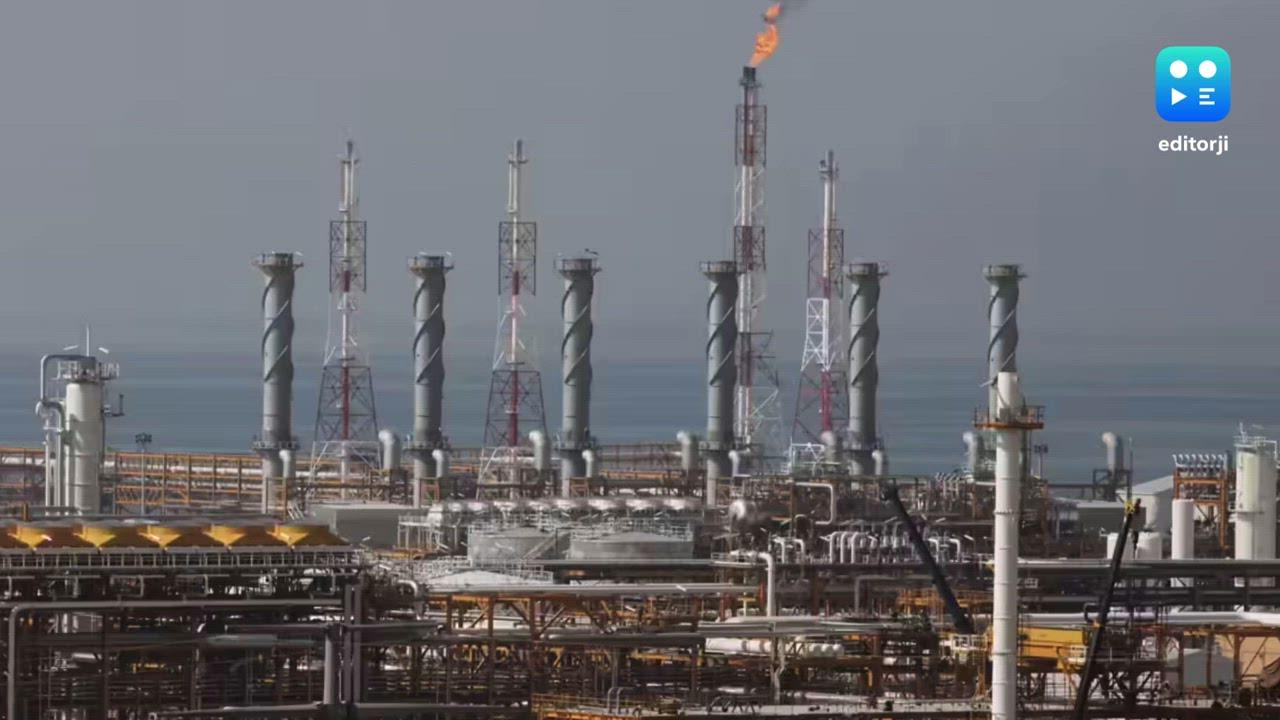
Why? Rising costs of poultry feed and veterinary meds are driving up prices for these essentials. Experts say this trend is likely to worsen, as a recent spike in the currency exchange rate is expected to filter down to consumer prices in the coming months.But the struggle with rising costs for essentials is just one part of the story? Iran’s outdated gas and energy plants are barely functional, operating at just 70% capacity. Without investment from Western firms, which pulled out years ago, Iran’s energy sector has become a glaring example of decay. Now, Iranians are experiencing regular blackouts that disrupt industries, close offices, and add to the daily struggles.

Energy shortages are also hitting one of Iran’s biggest non-oil exports: steel. Production dropped by 50% last month alone, as the country’s power grid struggles to keep up with demand. Ironically, while Iranians face blackouts, the government continues to export electricity to make up for revenue shortfalls, hoping to curb its debt. Can Iran afford to keep its own people in the dark to sell power abroad?

And the story doesn’t look much better on the international trade front as well. Trade between Iran and its major partners—China, the UAE, Iraq, Russia, India, and Turkey—suffered a severe decline in 2023.Iran saw a 26% drop in trade with India, a 17% decline with Russia, and a staggering 33% falloff with Turkey. Even China, Iran’s biggest customer for oil, has scaled back its purchases significantly this year. How can Iran’s economy recover if its trade lifelines are being cut off one by one?

With regional tensions spiking over recent conflicts and promises of retaliation, Iran’s economy is facing the strain on multiple fronts. Can the nation adapt to these challenges, or will we see even more disruption in the years to come? Only time will tell, but one thing is clear: the road ahead for Iran is anything but easy.

While Iran's economy remains under strain, marked by skyrocketing prices for essentials, the government has increased military spending by 11%, reaching 24.6 billion dollars in 2022. For the first time in two decades, Iran ranks among the top 15 military spenders, with the Revolutionary Guard Corps budget up 14%, now making up 34% of total defense funds.

But amidst these economic hardships and regional tensions, can Iran afford this shift toward military power at the expense of everyday essentials? Is this sustainable, or could it deepen the country’s economic crisis?

ADVERTISEMENT

Up Next

Iran’s Economic Crisis: Bread Prices Soar, Blackouts Worsen Amid Rising Tensions

Iran’s Economic Crisis: Bread Prices Soar, Blackouts Worsen Amid Rising Tensions

RBI trims policy interest rate by 25bps to 5.25pc, loans to get cheaper

RBI trims policy interest rate by 25bps to 5.25pc, loans to get cheaper

Rupee slumps to all-time low of 90.25 against US dollar in intra-day trade

Rupee slumps to all-time low of 90.25 against US dollar in intra-day trade

Reliance completes merger of Star Television Productions with Jiostar

Reliance completes merger of Star Television Productions with Jiostar

India to lead emerging market growth with 7pc GDP rise in 2025: Moody’s

India to lead emerging market growth with 7pc GDP rise in 2025: Moody’s

Nifty hits record high after 14 months; Sensex nears all-time peak

Nifty hits record high after 14 months; Sensex nears all-time peak

ADVERTISEMENT

editorji-whatsApp

More videos

Reliance stops Russian oil use at its only-for-export refinery to comply with EU sanctions

Reliance stops Russian oil use at its only-for-export refinery to comply with EU sanctions

ED attaches fresh assets worth over Rs 1,400 cr in case against Anil Ambani's Reliance Group

ED attaches fresh assets worth over Rs 1,400 cr in case against Anil Ambani's Reliance Group

India signs one-year deal to import 2.2 million tonnes of LPG from US

India signs one-year deal to import 2.2 million tonnes of LPG from US

India International Trade Fair begins at Pragati Maidan amid tight security

India International Trade Fair begins at Pragati Maidan amid tight security

Stock markets decline in initial trade on foreign fund outflows, weak Asian peers

Stock markets decline in initial trade on foreign fund outflows, weak Asian peers

Amazon to lay off 30,000 office workers amid AI-driven cost cuts

Amazon to lay off 30,000 office workers amid AI-driven cost cuts

US sanctions on Russian firms to hit Reliance; PSUs likely to keep buying Russian oil via traders

US sanctions on Russian firms to hit Reliance; PSUs likely to keep buying Russian oil via traders

Dream debut: LG Electronics India shares jump over 50 pc

Dream debut: LG Electronics India shares jump over 50 pc

One GB wireless data in India costs less than a cup of tea: PM Modi

One GB wireless data in India costs less than a cup of tea: PM Modi

Power struggle in Tata Trusts: Trustees clash over board appointments

Power struggle in Tata Trusts: Trustees clash over board appointments

Editorji Technologies Pvt. Ltd. © 2022 All Rights Reserved.