


Highlights
Adventure travel grows. Safety and planning crucial. Oxo Planet leads in infrastructure.
Latest news

Punjab T10 Cricket League Rescheduled; Action to Now Take Place from June 14 to 20 in Amritsar

Quad to launch critical minerals framework to strengthen critical mineral supply chains in Indo-Pacific: US Secretary of State

India Semiconductor Mission launches 'Investors Support' portal to assist Semiconductor Investors

M416 Glacier Rewards Return in BGMI's Latest Redeem Code Reveal

BTS returns to AMAs stage after four years with pre-taped 'Hooligan' performance
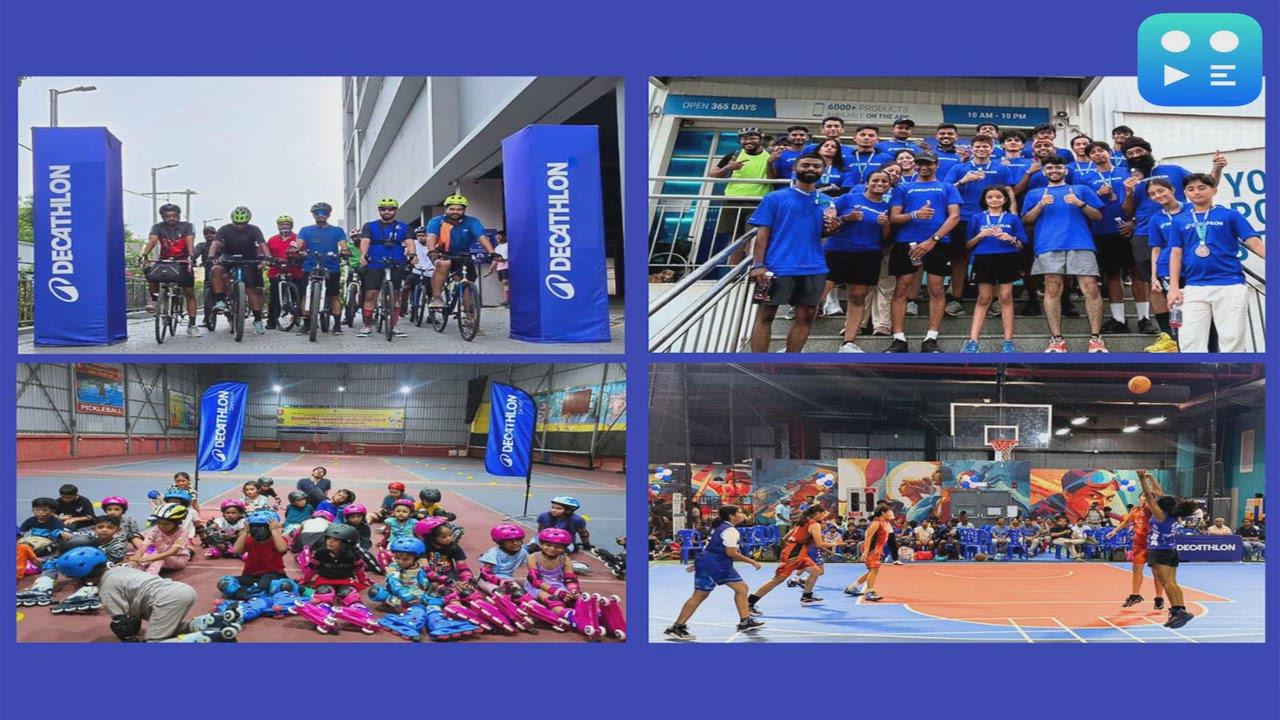
Decathlon's 'Sports Utsav 2026' Celebrates Movement, Engaging 200K+ Participants Across 125 Stores Pan-India
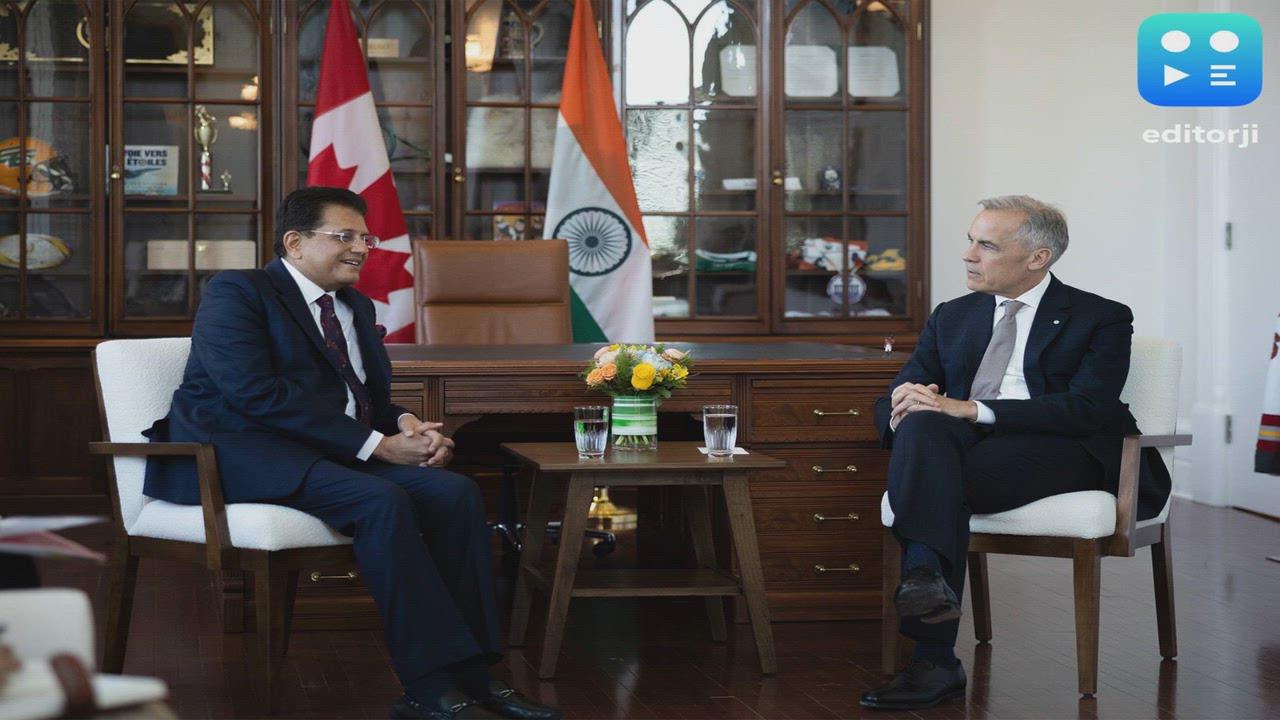
India, Canada push for early trade deal; PM Mark Carney calls CEPA 'Game Changer'

BTS wins Artist of the Year at 2026 American Music Awards, Sabrina Carpenter, Cardi B among big winners
Resorts Turn to Adventure Activities to Boost Guest Engagement and Revenue Beyond Rooms


VMPL
New Delhi [India], May 26: India's resort and destination hospitality market is seeing a growing shift toward experience-led travel. Guests are no longer choosing properties only for rooms, restaurants, pools or scenic locations. They are increasingly looking for activities that add participation, excitement and memorable moments to the stay. For many resorts, this has made adventure activities a serious part of guest engagement strategy.
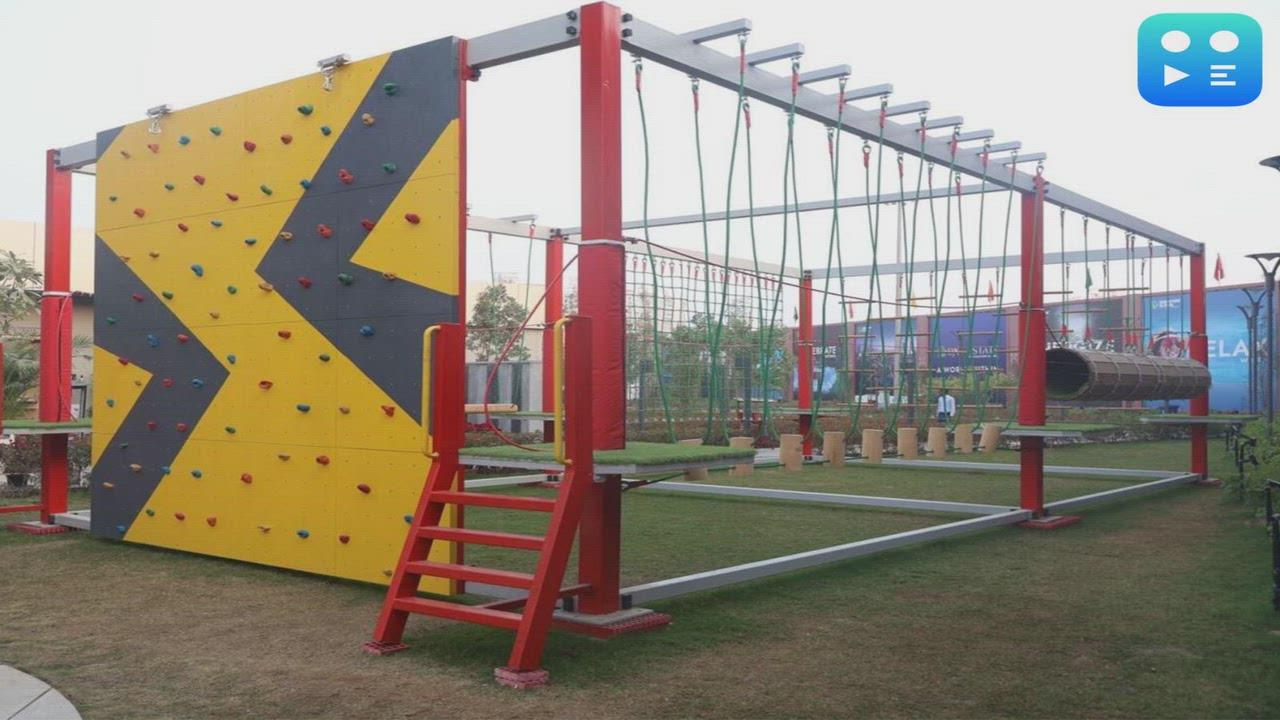
Adventure-based attractions such as ziplines, rope courses, climbing walls, sky cycling, net play areas, obstacle courses and multi-activity towers are being used by resorts, eco-retreats, farm stays, hill properties and tourism destinations to create more active guest experiences. These activities give visitors a reason to spend more time within the property and help operators build revenue streams beyond room bookings.
For hospitality operators, the value of such activities extends beyond entertainment. Adventure experiences can increase dwell time, encourage family participation, attract school and corporate groups, support destination events and create social media-friendly moments. A guest who participates in a zipline ride, rope challenge or climbing activity is more likely to remember and share that experience, giving the property stronger recall.
The revenue opportunity is equally important. Resorts can create paid activity packages for in-house guests, day visitors, corporate teams, schools, colleges, birthday groups and wedding guests. These activities can be added to weekend stay packages, team-building retreats, school outings, festive programmes and destination wedding itineraries. This helps properties increase non-room revenue while improving the overall value of the guest visit.
However, industry participants point out that adventure infrastructure requires professional planning. These activities involve height, movement, structural loads, safety systems, trained operators, guest briefing, inspection routines, emergency procedures and ongoing maintenance. A resort cannot treat them as casual installations or short-term attractions. The design must match the site, expected user profile, operating model, capacity and long-term safety requirements.
This has increased the relevance of specialist adventure development companies. Oxo Planet works in the field of adventure infrastructure and outdoor recreation, supporting resorts, tourism projects, schools, real estate developers and destination properties in creating safe and structured activity zones. The company positions itself as an end-to-end partner, working from concept planning and site assessment to design, engineering, manufacturing, installation, staff training, inspections and maintenance support.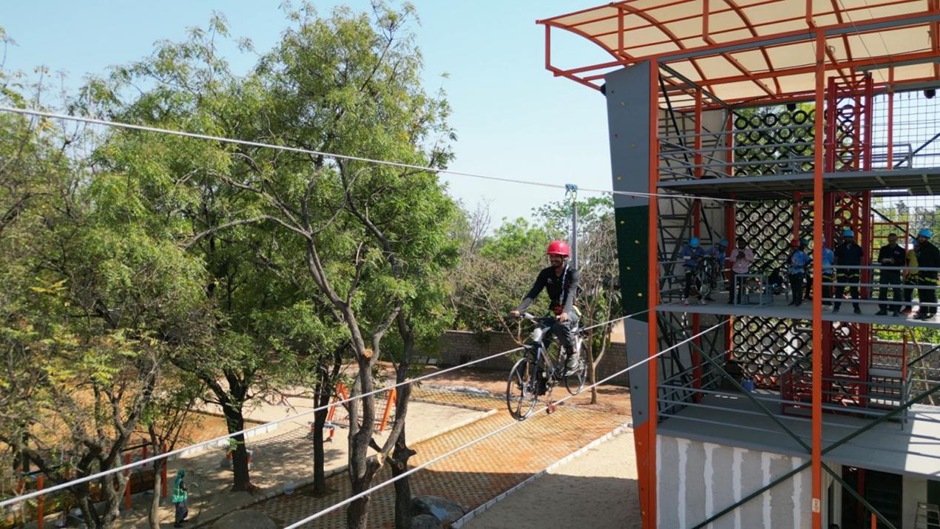
The end-to-end model is becoming relevant because every property has different requirements. A family resort may need low rope activities, kids' net play, compact climbing challenges and beginner-friendly adventure elements. An eco-retreat may require low-impact experiences, natural rope bridges, forest trails and softer installations that do not disturb the landscape. A larger destination resort may choose ziplines, sky cycling, obstacle courses, climbing walls and multi-activity towers that can support higher footfall.
For property owners, the early planning stage is critical. Activity selection must be based on available space, target audience, operational capacity, weather exposure, safety standards, staffing needs and maintenance cycles. Proper planning also affects how guests move through the zone, where they wait, how they are briefed, how supervisors monitor them and how emergency access is maintained. These practical details influence both safety and commercial performance.
Oxo Planet's work in adventure park development is also relevant for resorts that want to move beyond individual activities and create complete recreation ecosystems. Such ecosystems may include a mix of family activities, high-thrill attractions, team-building formats, kids' zones, viewing areas and operational support spaces. When integrated with the property layout, they can become a strong differentiator for resorts competing for leisure, group and day-visit audiences.
The format is also adaptable for different business objectives. A resort that wants to serve families may focus on low-height rope activities, kids' zones and easy supervision. A property targeting corporate groups may require timed challenges, facilitator-led team tasks and larger briefing areas. A destination project trying to attract day visitors may need a ticketing plan, capacity management and enough activities to support repeat visits.
Training is another important part of the operating model. Staff must be able to brief guests, check equipment, manage queues, respond to weather conditions, identify unsuitable usage and follow escalation procedures. Even a well-designed structure depends on the people operating it. This is why many property owners prefer a partner that can support not only installation but also training, inspection guidance and maintenance planning.
The one-stop development approach can reduce coordination gaps between design, fabrication, site execution and operations. It gives the property owner a clearer path from concept to launch and helps ensure that the activity mix, layout and safety systems are aligned before the zone opens to guests. This is particularly useful for resorts entering adventure-led recreation for the first time.
Location also influences the opportunity. Resorts near cities may use adventure zones to attract day visitors, while hill, forest and rural properties may use them to strengthen the destination appeal of an overnight stay. In both cases, the activity area can become a reason for guests to choose the property over a more conventional alternative.
The trend reflects a wider change in hospitality. Travellers are seeking properties that combine comfort with recreation, safety and meaningful engagement. Resorts that offer well-planned activity zones can improve brand recall, attract broader audiences and create additional earning opportunities from the same land footprint. Adventure activities are therefore moving from optional add-ons to strategic hospitality assets.
The long-term opportunity will depend on professional execution. Activities that are poorly designed or weakly operated may create risk and maintenance concerns. Activities that are planned, engineered and operated with discipline can become durable assets for guest engagement and non-room revenue. As resorts continue to evolve into experience-led destinations, adventure infrastructure is likely to play a larger role in how properties differentiate themselves.
(ADVERTORIAL DISCLAIMER: The above press release has been provided by VMPL. ANI will not be responsible in any way for the content of the same.)
Up Next
Resorts Turn to Adventure Activities to Boost Guest Engagement and Revenue Beyond Rooms

How much does a ULIP plan really cost? A break-down of all charges

Centre plans to borrow Rs 8.20 lakh cr from market in first half of FY27
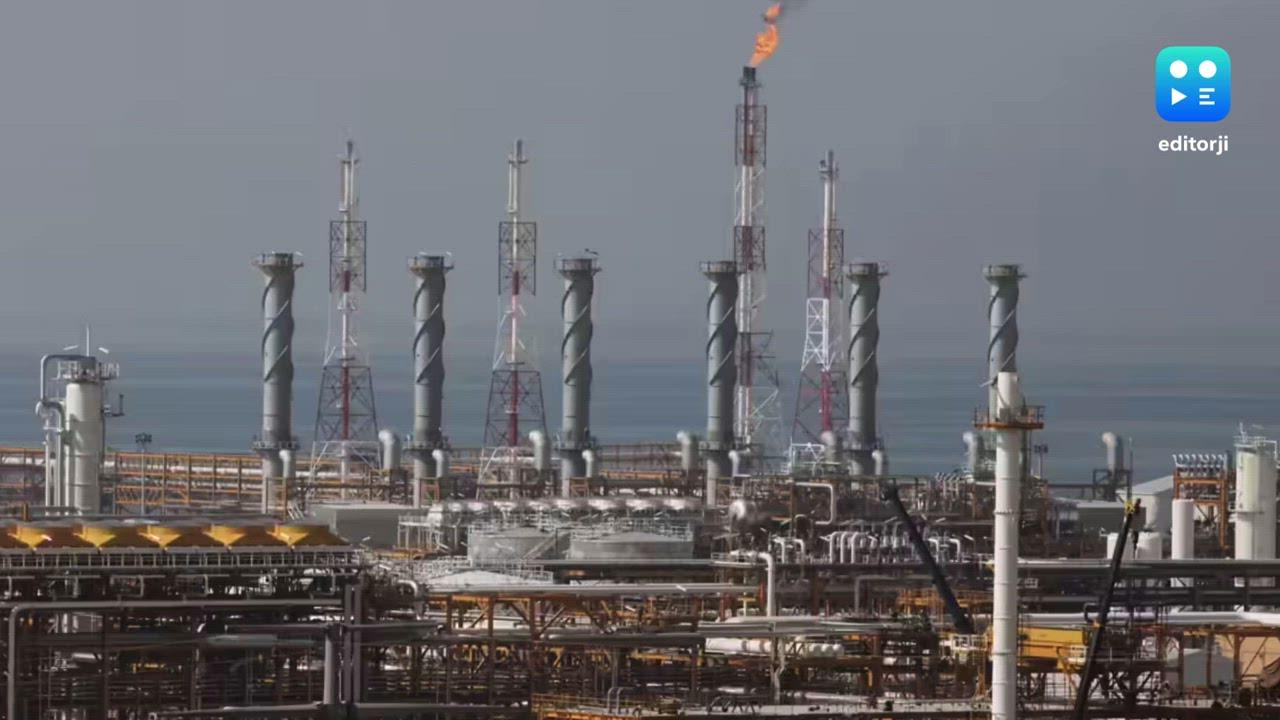
Reliance denies buying Iranian oil amid US sanctions waiver
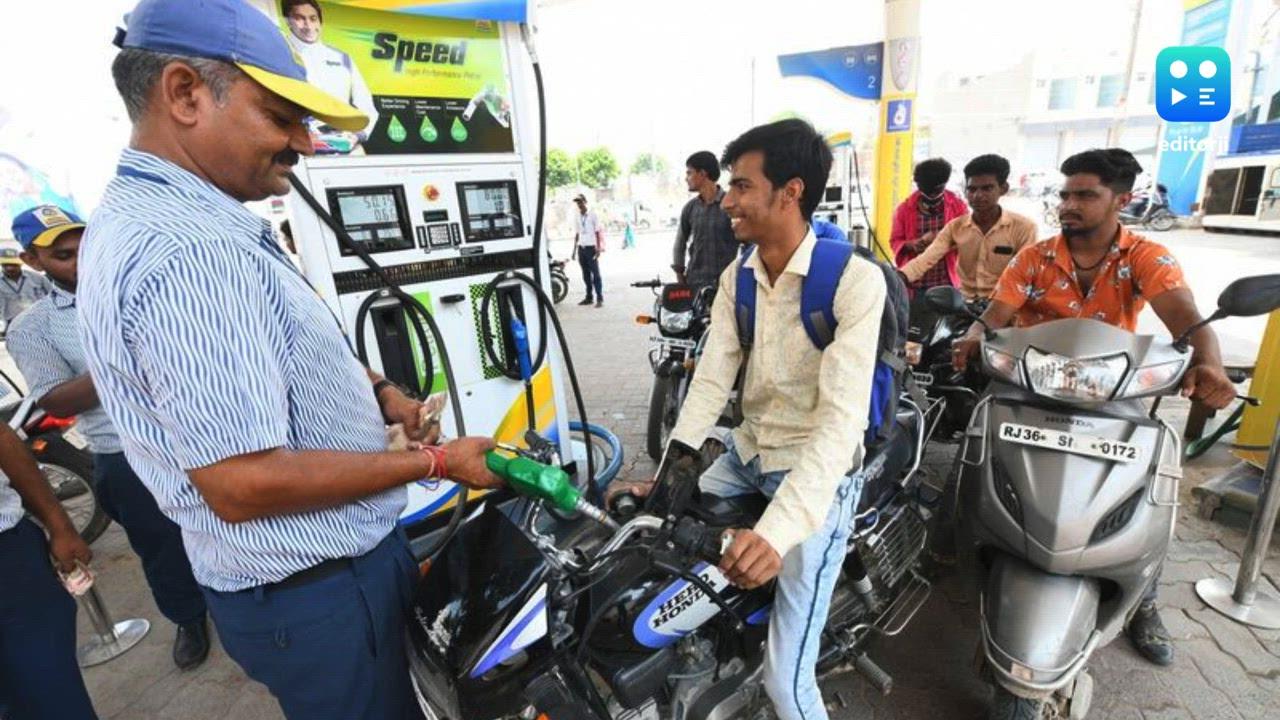
Premium petrol price up Rs 2, industrial diesel up Rs 22; no change in normal petrol, diesel rates

India's GDP expected to register over 8 pc growth in Sep-Dec: Report

More videos
Govt announces seven measures to help boost exports
RBI keeps interest rates on hold after US trade deal boosts outlook

RBI proposes to compensate customers up to Rs 25,000 loss due to fraud

RBI raises GDP growth projection of Q1, Q2 of FY27
RBI pauses rate cuts, retains interest rate at 5.25 pc

Rupee jumps 122 paise to close at 90.27 against US dollar on India-US trade deal

Stock markets cheer India-US trade deal: Sensex, Nifty surge 2.5 pc

UPI transactions hit record high of Rs 230 lakh crore in 2025-26 till Dec: Govt

Explained: India-US trade deal, tariffs and trade benefits

Trade deal with US adds momentum to India's growth ambition: Industry leaders