Highlights

  • GST slabs may be cut to just 5% and 18%, with 40% on luxury & sin goods
  • Daily-use items could shift to 5%, electronics & cement to 18%
  • Opposition seeks revenue compensation; Centre promises MSME relief

Latest news

Qualcomm Showcases Snapdragon 8 Elite Gen 6 Chips At IMC 2026, Teases New Flagships

Qualcomm Showcases Snapdragon 8 Elite Gen 6 Chips At IMC 2026, Teases New Flagships

Shokz Diwali Sale Brings Discounts On Open-Ear Headphones Across Amazon And Flipkart
Shokz Diwali Sale Brings Discounts On Open-Ear Headphones Across Amazon And Flipkart

iQOO 16 Confirmed For India With Snapdragon 8 Elite Extreme Gen 6 And OriginOS 7

iQOO 16 Confirmed For India With Snapdragon 8 Elite Extreme Gen 6 And OriginOS 7

ASUS Announces Festive Discounts Across Laptops, Gaming PCs And Tablets

ASUS Announces Festive Discounts Across Laptops, Gaming PCs And Tablets

Priyanka Gandhi lies on ground, Rahul detained as Delhi Police stop INDIA bloc MPs' Jantar Mantar march

Priyanka Gandhi lies on ground, Rahul detained as Delhi Police stop INDIA bloc MPs' Jantar Mantar march

Emotion, tears as Messi retires from Argentina national team
Emotion, tears as Messi retires from Argentina national team

Rajpal Yadav tells CJI Surya Kant his legal troubles inspired film title ‘Solah Sawan Jhel Ke’

Rajpal Yadav tells CJI Surya Kant his legal troubles inspired film title ‘Solah Sawan Jhel Ke’

Arun Govil returns to ‘Ramayana’ as King Dashrath in new poster

Arun Govil returns to ‘Ramayana’ as King Dashrath in new poster

GST Council meet on rate reform begins; TDP supports, opposition bloc seeks revenue protection

The GST Council, chaired by FM Nirmala Sitharaman, has started discussions on major reforms, including reducing slabs to 5% and 18%, cutting rates on daily-use goods, and easing compliance for MSMEs.

GST Council meet on rate reform begins; TDP supports, opposition bloc seeks revenue protection

The 56th meeting of the GST Council, chaired by Finance Minister Nirmala Sitharaman and comprising state ministers, on Wednesday started deliberations on 'next-gen GST' reforms, which will lower tax rates on items of mass consumption, remove duty inversion in sectors, like textiles, and ease compliance burden for MSMEs.

The Council, over the next two days, will discuss reducing the number of slabs in GST to just two -- 5 per cent and 18 per cent -- and removing the 12 per cent and 28 per cent slabs. Also, a special 40 per cent tax has been proposed on a select few items, including tobacco and ultra-luxury goods.

As per the sweeping rate change proposal put forth by the Centre and vetted by a group of state finance ministers, as many as 99 per cent of items in the 12 per cent category, such as butter, fruit juices and dry fruits, would move to a 5 per cent tax rate.

Similarly, electronic items like ACs, TVs, fridges, and washing machines, as well as other goods like cement, will be among the 90 per cent of the items that will move from 28 per cent to a lower 18 per cent slab.

While opposition-ruled states have demanded that all states be compensated for the revenue loss they incur post the implementation of the GST rejig, Andhra Pradesh Finance Minister Payyavula Keshav said his state is supporting the Centre's GST rate proposals.

"As an alliance partner, we are supporting the Centre's proposal of GST rate rationalisation. It is in favour of the common man," Keshav told reporters before the Council meeting. Andhra Pradesh's Telugu Desam Party (TDP) is an ally of the BJP-led NDA government at the Centre.

Prime Minister Narendra Modi, in his Independence Day speech on August 15, unveiled the plan for GST reforms. Shortly thereafter, the central government shared a blueprint of the planned reform with a Group of Ministers (GoM) from different states for initial vetting.

As many as eight sectors -- textiles, fertiliser, renewable energy, automotive, handicrafts, agriculture, health and insurance -- will benefit the most from the rate overhaul, as per the Centre's blueprint for GST reforms.

On Wednesday morning, before the Council meeting, eight opposition-ruled states -- Himachal Pradesh, Jharkhand, Karnataka, Kerala, Punjab, Tamil Nadu, Telangana and West Bengal -- had their own meeting to formalise their strategy and reaffirmed their demand for revenue protection to give approval to the rate rejig.

Jharkhand Finance Minister Radha Krishna Kishore told reporters here that his state will suffer a Rs 2,000 crore revenue loss if the Centre's GST rate reform proposal is implemented.

"If the Centre agrees to compensate us for whatever loss we would incur, then we have no issues in approving the agenda before the Council. I don't think the issue will come up for voting, as in a federal structure, it is the responsibility of the Centre to compensate states for revenue loss," Kishore told reporters here after the meeting of the opposition bloc.

Under the present GST structure, the 18 per cent slab accounts for a lion's share or 65 per cent in GST collection. The 5 per cent slab contributes 7 per cent to the total GST kitty.

The top tax bracket of 28 per cent on luxury and sin goods contributes 11 per cent of the revenue, while the 12 per cent slab accounts for just 5 per cent of the revenue.

The Centre's GST reform proposal put forth before the Council rests on three pillars -- structural reforms, rate rationalisation and ease of living.

The structural reforms would ensure stability and predictability by providing "long-term clarity on rates and policy direction to build industry confidence and support better business planning".

On the 'ease of living' side, the finance ministry's proposal includes seamless, technology-driven GST registration, especially for small businesses and startups. It also suggested the implementation of pre-filled GST returns and faster, automated processing of refunds for exporters and those with an inverted duty structure.

"The next generation GST reforms... will set an economy absolutely open and transparent in the coming months and with further reduction in compliance burden, (reforms) will be making it easier for small businesses to thrive," Sitharaman had said on Tuesday at the Foundation Day celebrations of Tamil Nadu-based City Union Bank.

Frequently Asked Questions

The purpose of the GST Council meeting is to deliberate on 'next-gen GST' reforms, including lowering tax rates on items of mass consumption, removing duty inversion in sectors, and easing compliance for MSMEs.

ADVERTISEMENT

Up Next

GST Council meet on rate reform begins; TDP supports, opposition bloc seeks revenue protection

GST Council meet on rate reform begins; TDP supports, opposition bloc seeks revenue protection

Sensex falls 429 points, Nifty slips 173 points after RBI rate hike
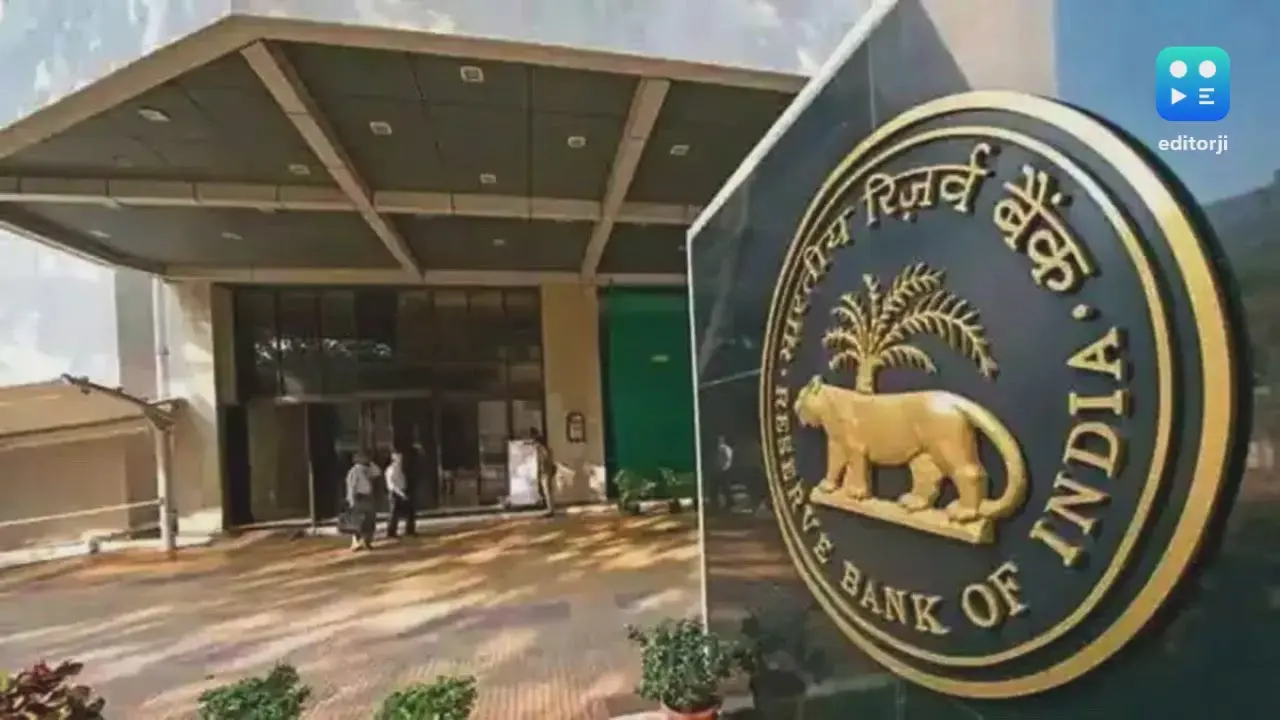
Sensex falls 429 points, Nifty slips 173 points after RBI rate hike

RBI raises repo rate by 25 bps to 5.50%, shifts policy towards tightening
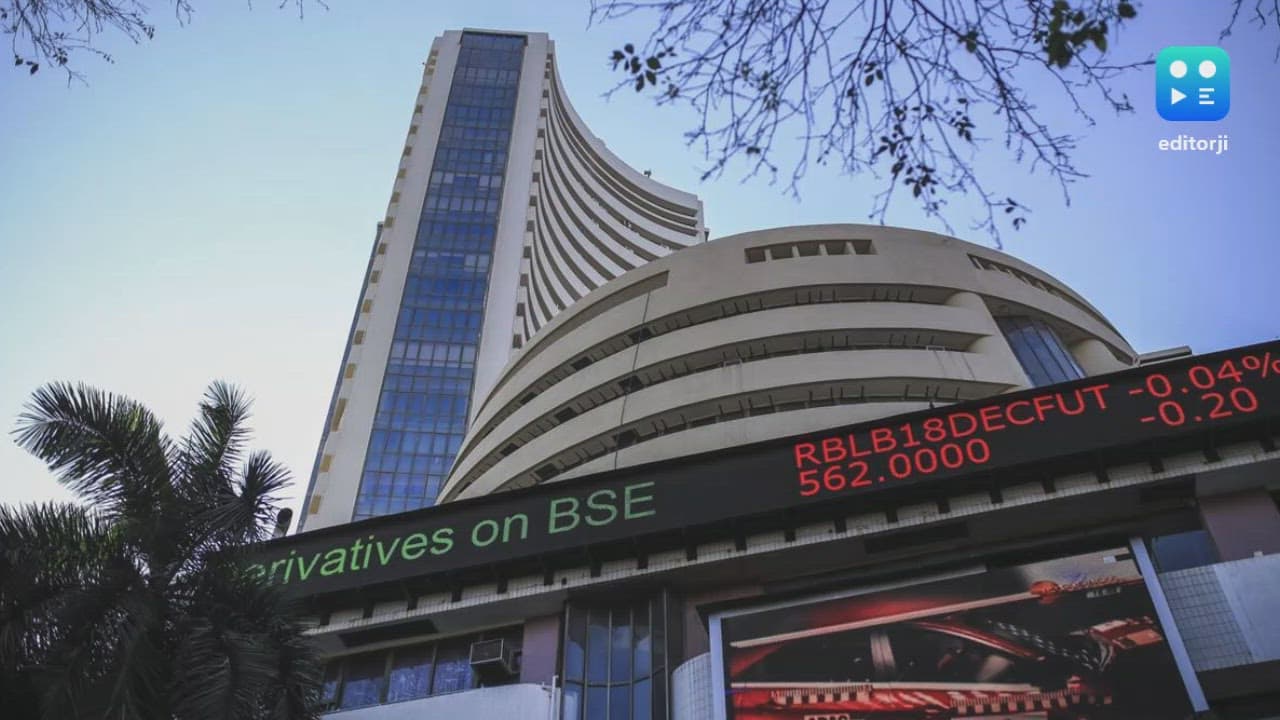
RBI raises repo rate by 25 bps to 5.50%, shifts policy towards tightening

GST rates likely unchanged as 57th Council meeting focuses on reforms
GST rates likely unchanged as 57th Council meeting focuses on reforms

Sensex gains 685 points, Nifty rises 220 points to cross 22,700
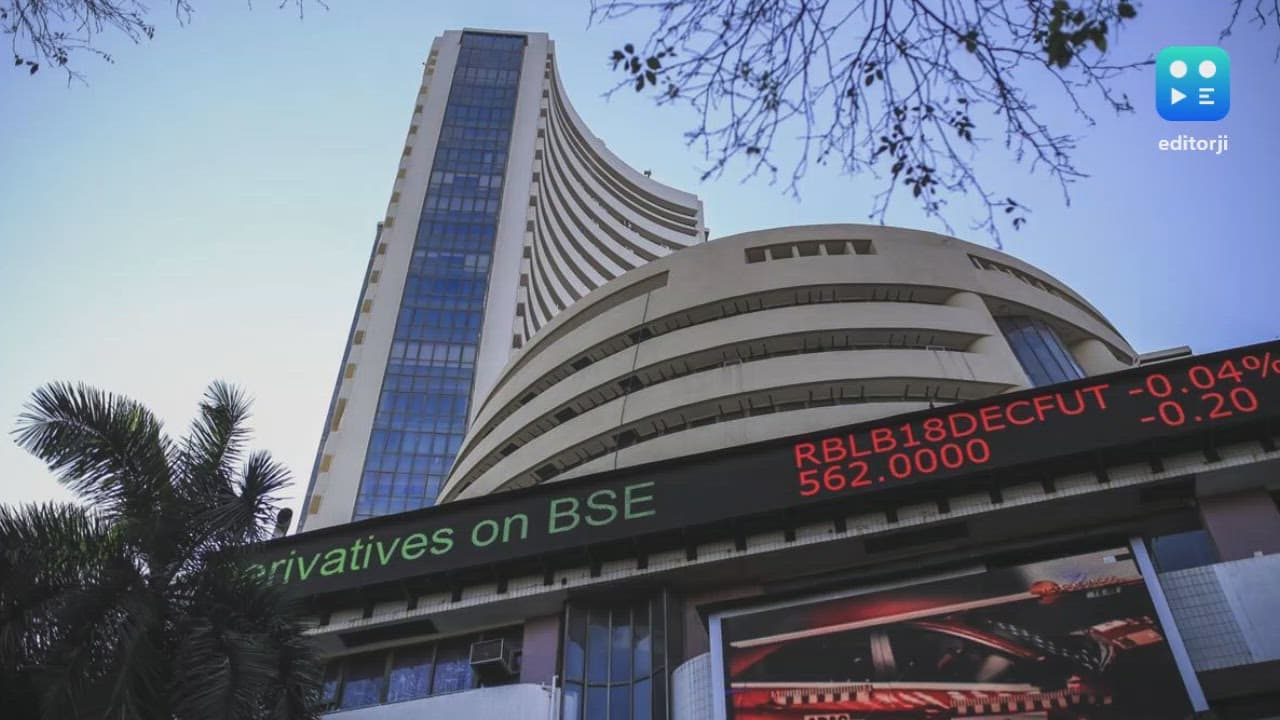
Sensex gains 685 points, Nifty rises 220 points to cross 22,700

Sensex gains 473 points, Nifty rises 134 points as markets stage recovery

Sensex gains 473 points, Nifty rises 134 points as markets stage recovery

ADVERTISEMENT

editorji-whatsApp

More videos

India To Grow 7% In FY27, Next Growth Phase Hinges On Infra, Deeper Capital Markets: S&P Global
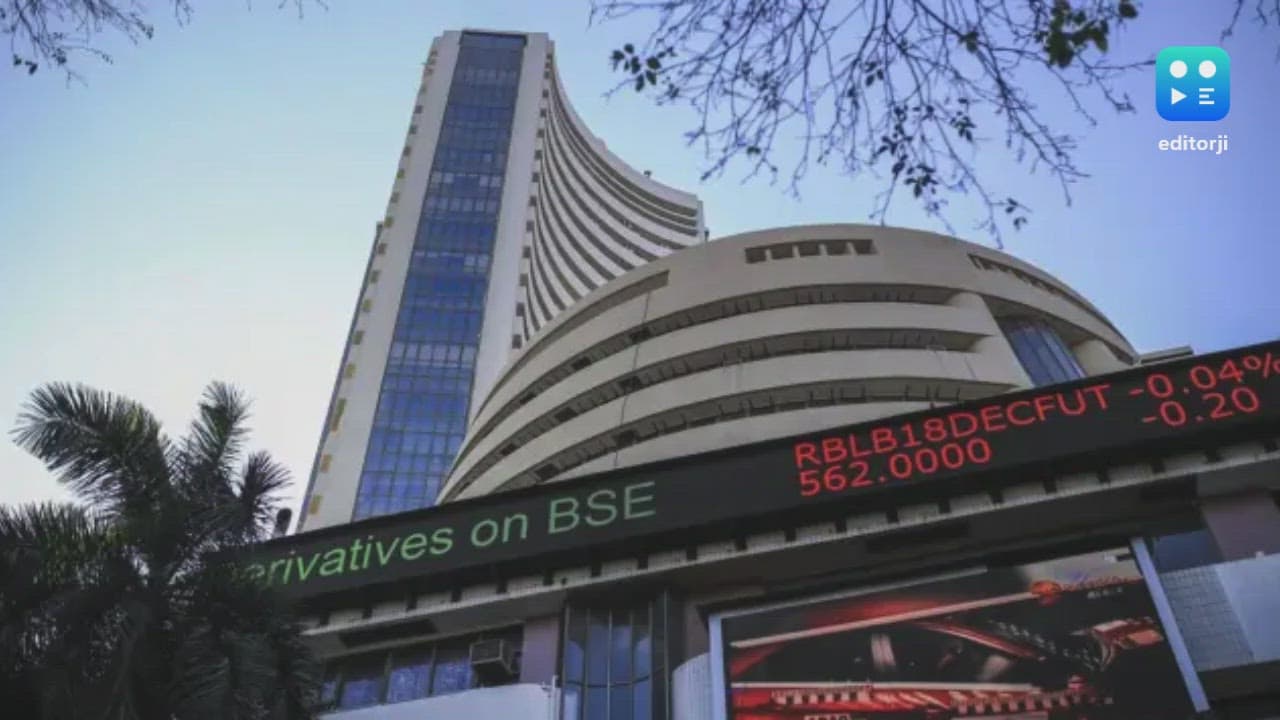
India To Grow 7% In FY27, Next Growth Phase Hinges On Infra, Deeper Capital Markets: S&P Global

Sensex Falls 49 Points, Nifty Slips 96 As Selling Pressure Returns
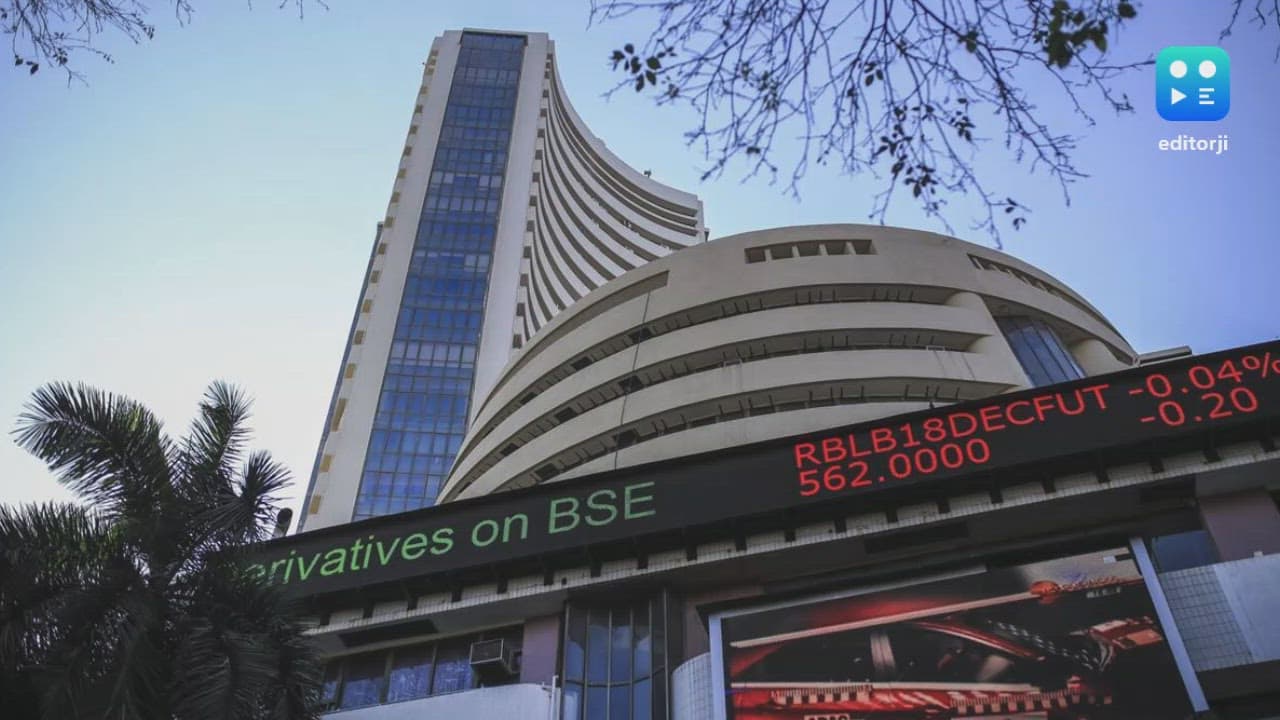
Sensex Falls 49 Points, Nifty Slips 96 As Selling Pressure Returns

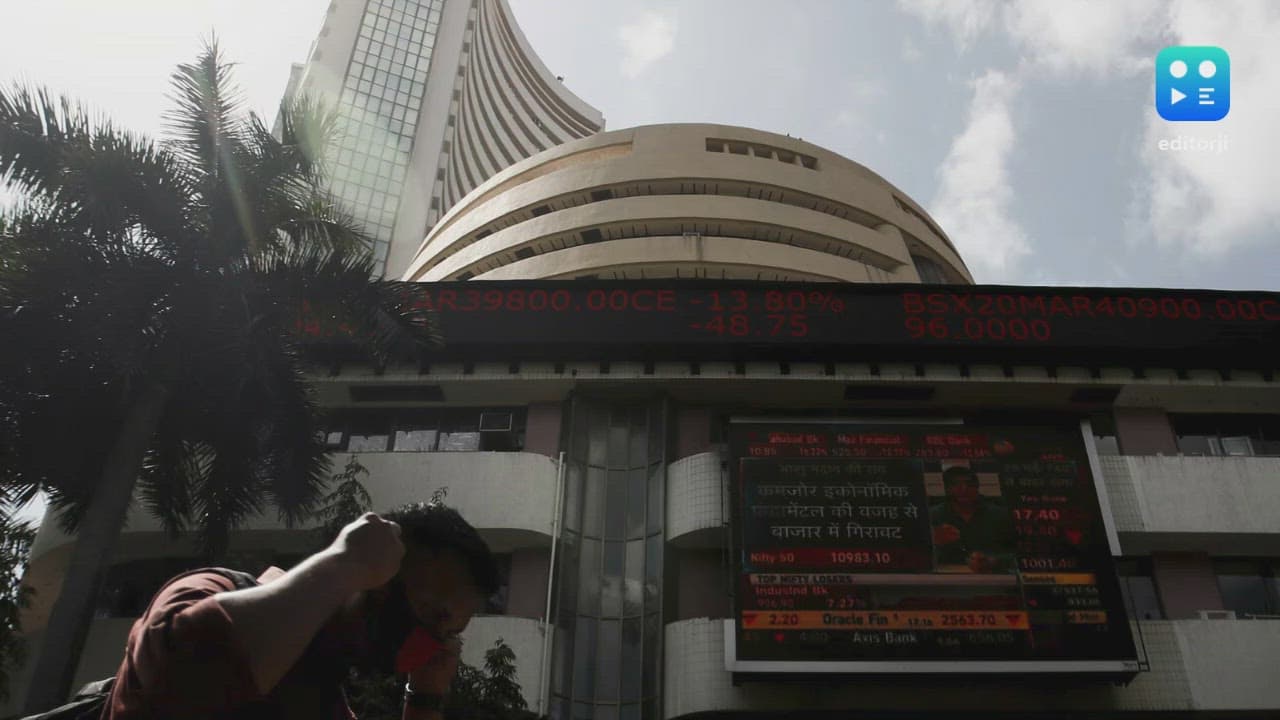
Sensex falls 243 points, Nifty slips 64 points as foreign outflows and crude prices weigh
Sensex falls 243 points, Nifty slips 64 points as foreign outflows and crude prices weigh

India launches anti-dumping probes into 7 Chinese products, including key pharma ingredients
India launches anti-dumping probes into 7 Chinese products, including key pharma ingredients

Sensex crashes 1,124 points, Nifty falls 1.56% as crude surges above $107
Sensex crashes 1,124 points, Nifty falls 1.56% as crude surges above $107

Sensex Rises 315 Points, Nifty Gains 77 as Markets Recover After Sharp Sell-Off
Sensex Rises 315 Points, Nifty Gains 77 as Markets Recover After Sharp Sell-Off

Sensex Crashes 1,248 Points, Nifty Falls 1.64% Amid Global Cues
Sensex Crashes 1,248 Points, Nifty Falls 1.64% Amid Global Cues

Sensex, Nifty End Higher As Domestic Growth Signals, Softer Crude Support Sentiment

Sensex, Nifty End Higher As Domestic Growth Signals, Softer Crude Support Sentiment

UPI Payments In Uzbekistan: Indian Travellers To Get QR-Based Payment Option
UPI Payments In Uzbekistan: Indian Travellers To Get QR-Based Payment Option

India’s Q1 GDP Growth Hits 7.8%, Beats RBI Estimate

India’s Q1 GDP Growth Hits 7.8%, Beats RBI Estimate

Editorji Technologies Pvt. Ltd. © 2022 All Rights Reserved.