SMPL
Mumbai (Maharashtra) [India], February 5: Medical oncology has become one of the most complex and decision-intensive disciplines in contemporary medicine. As cancer treatment increasingly relies on systemic and precision-based therapies, the responsibilities of the medical oncologist extend well beyond drug administration. Diagnosis, disease staging, treatment sequencing, toxicity management, and long-term disease monitoring form the core of oncology practice, particularly within tertiary care settings where patients often present with advanced or complicated disease profiles.
The practice of medical oncology is defined by prolonged academic training, structured clinical exposure, and continuous engagement with evolving scientific evidence. Unlike procedural specialties, oncology requires constant reassessment of treatment intent and patient response. Decisions are rarely static, as therapy must be modified based on disease biology, treatment tolerance, laboratory trends, and imaging findings. In this context, clinical judgment plays a central role in determining outcomes.
Systemic cancer treatment today includes chemotherapy, immunotherapy, targeted therapy, and hormonal therapy. Each modality has specific indications, benefits, and toxicity profiles, requiring careful patient selection and strict adherence to evidence-based protocols. In tertiary hospitals, oncologists frequently manage patients with relapsed or refractory disease, multiple co-morbidities, or prior exposure to several lines of therapy. Such complexity demands individualized evaluation rather than uniform treatment application.
Medical oncology training emphasizes disease staging, intent-based treatment planning, toxicity surveillance, and multidisciplinary coordination. Super-specialty training programs expose clinicians to a broad spectrum of solid tumours and hematological malignancies, reinforcing protocol-driven decision-making while allowing scope for clinical discretion in complex scenarios. This structured approach forms the foundation for independent practice in tertiary care environments.
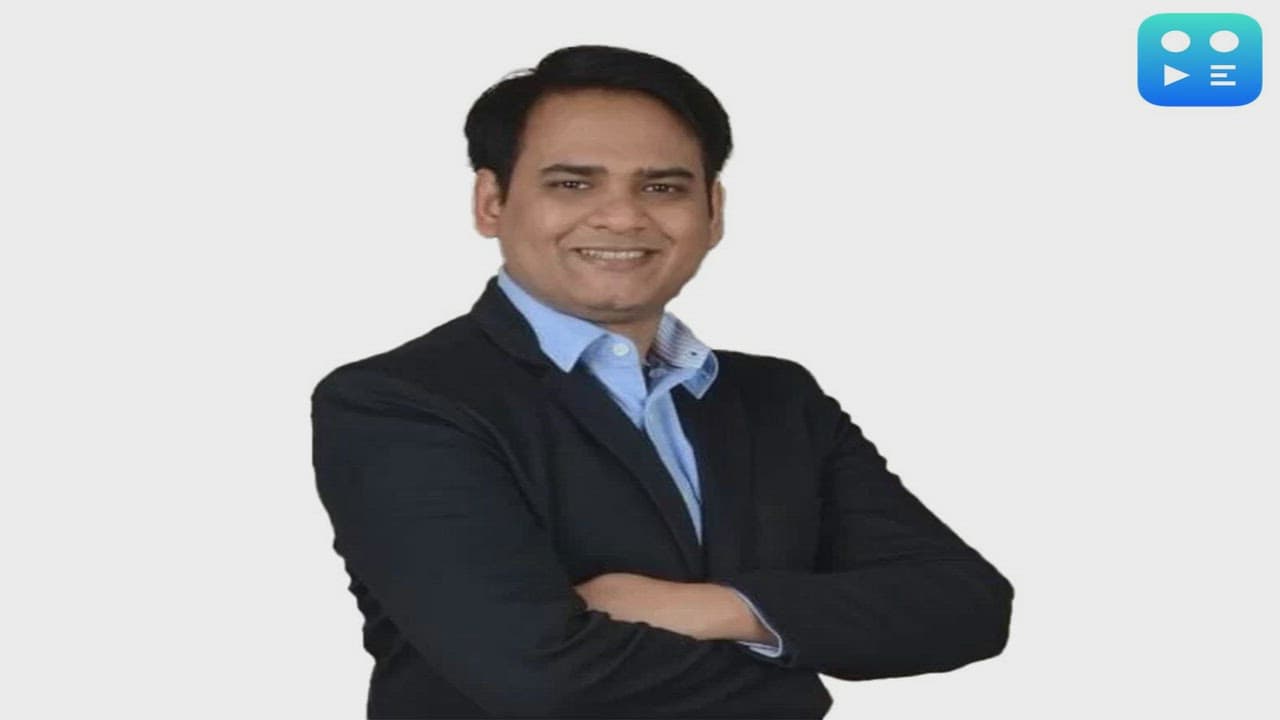
Within this framework, Dr. Siddharth W. Turkar works as a Consultant Medical Oncologist at Apollo Hospitals, Navi Mumbai. His professional experience spans more than 10 years in the field of medical oncology, developed through formal super-specialty training, academic responsibilities, and clinical practice across multiple tertiary care institutions. His educational background includes postgraduate training in Internal Medicine followed by a DM in Medical Oncology from Tata Memorial Hospital, Mumbai, one of India's leading tertiary cancer centres.
Clinical exposure across different institutional settings plays an important role in shaping oncology practice. Experience in academic hospitals, corporate healthcare systems, and independent cancer centres allows oncologists to adapt standardized protocols to varied healthcare infrastructures while maintaining consistency in clinical standards. Such exposure also strengthens multidisciplinary collaboration, which is essential for comprehensive cancer care.
Tertiary care oncology relies heavily on coordinated decision-making among medical oncologists, surgical oncologists, radiation oncologists, radiologists, pathologists, and supportive care teams. Treatment planning often involves tumour board discussions, where patient-specific factors are integrated with guideline-based recommendations. This collaborative model helps ensure that therapeutic decisions are aligned with both disease characteristics and overall patient wellbeing.
The evolving role of research has further reshaped oncology practice. Advances in immunotherapy and targeted therapy have improved outcomes in several malignancies, but they have also introduced new toxicity patterns that require close monitoring. Familiarity with clinical trial data, outcome interpretation, and real-world application of emerging evidence is now an essential component of routine oncology care. Engagement with academic research supports informed treatment selection and responsible integration of newer therapies.
Supportive oncology and palliative care form an integral part of tertiary oncology services, particularly in advanced disease settings. Symptom control, nutritional support, psychosocial care, and end-of-life planning are essential components of holistic cancer management. Medical oncologists play a key role in balancing disease-directed therapy with quality-of-life considerations, especially when treatment intent shifts from curative to palliative.
As cancer incidence continues to rise, the demand for structured, evidence-based oncology care is expected to increase. Strengthening oncology training programs, expanding tertiary care infrastructure, and ensuring uniform clinical standards across institutions will be critical to meeting this demand. Medical oncology, as a discipline, will continue to evolve alongside scientific advancements, but its foundation will remain rooted in disciplined training, clinical judgment, and coordinated care delivery.
The practice of medical oncology in tertiary settings reflects the integration of academic rigor, cumulative clinical experience, and adaptive decision-making. It is within this framework that modern cancer treatment continues to advance, guided by evidence, expertise, and patient-centered care.
(ADVERTORIAL DISCLAIMER: The above press release has been provided by SMPL. ANI will not be responsible in any way for the content of the same.)
(This article was generated from news agency ANI without modifications to the text.)