Highlights

  • Manmohan Singh’s 1991 budget saved India and sparked its global rise.
  • Faced opposition, defended it as a “budget with a human face.”
  • Balanced party demands while preserving key reforms.

Latest news

India, Russia are embarking on new journey of innovation, co-production and co-creation: PM Modi

India, Russia are embarking on new journey of innovation, co-production and co-creation: PM Modi

India is conducting independent and sovereign policy under leadership of PM Modi,  achieving very good results: President Putin

India is conducting independent and sovereign policy under leadership of PM Modi, achieving very good results: President Putin

Indian businesses can replace void left by Western companies in Russia, says Roscongress CEO Stuglev

Indian businesses can replace void left by Western companies in Russia, says Roscongress CEO Stuglev

Regulator DGCA eases flight duty norms for pilots amid IndiGo crisis

Regulator DGCA eases flight duty norms for pilots amid IndiGo crisis

Dalai Lama launches 'Forest Resources in India' focused on climate, conservation and community

Dalai Lama launches 'Forest Resources in India' focused on climate, conservation and community

RBI raises FY26 GDP growth projection to 7.3 pc

RBI raises FY26 GDP growth projection to 7.3 pc

AAP to hold farmers’ Mahapanchayat in Gujarat's Amreli on December 7 amid crop loss crisis

AAP to hold farmers’ Mahapanchayat in Gujarat's Amreli on December 7 amid crop loss crisis

OnePlus marks 12 years in India with a new six-star lineup for the 15R reveal

OnePlus marks 12 years in India with a new six-star lineup for the 15R reveal

Manmohan Singh: How he defended the landmark 1991 Union Budget

“The finance minister explained his budget — calling it ‘a budget with a human face’. He painstakingly defended the proposals to increase fertiliser, petrol and LPG prices,” Ramesh recounts in the book published in 2015.

Manmohan Singh: How he defended the landmark 1991 Union Budget

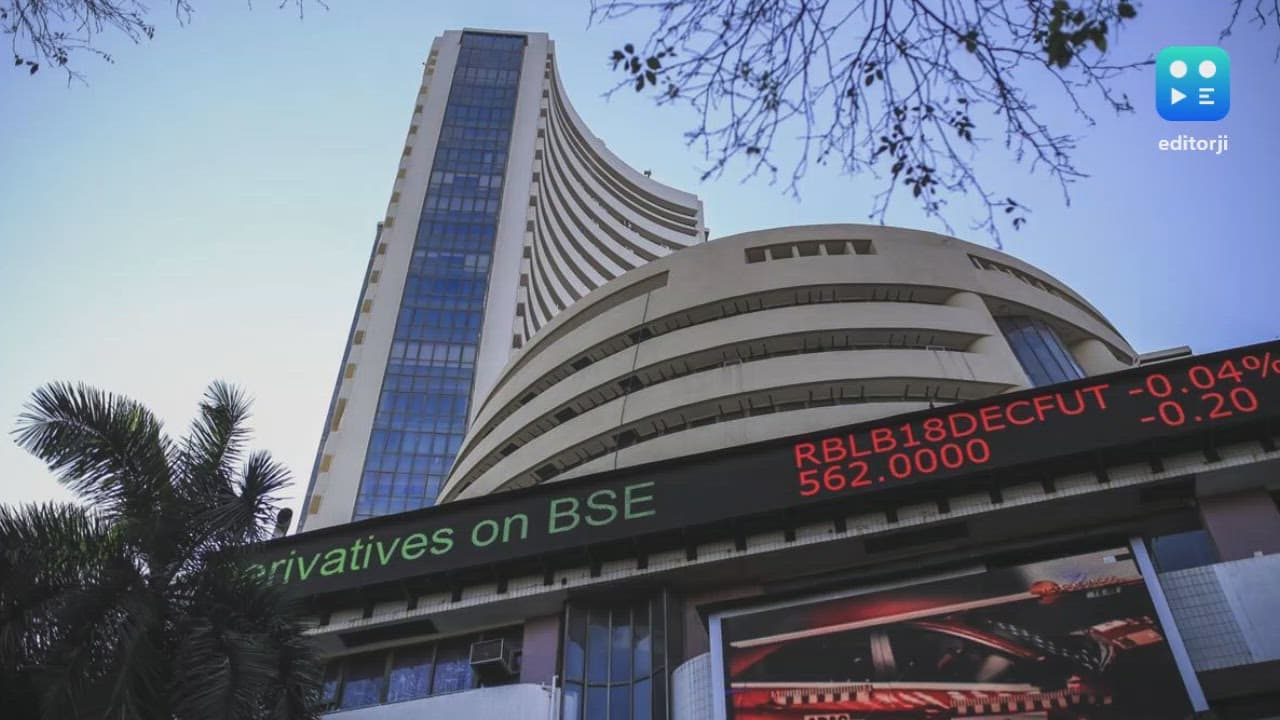
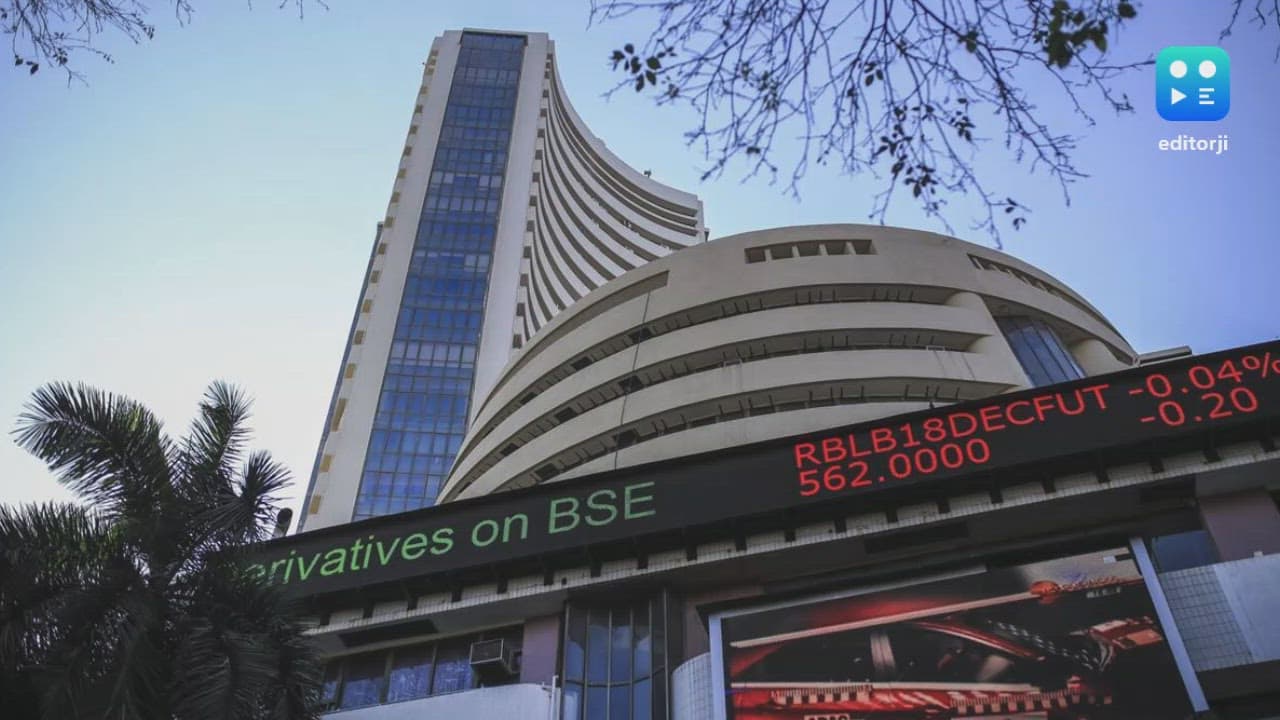
Manmohan Singh, the architect of India’s economic reforms, had to literally face a trial-by-fire to ensure widespread acceptance of his path-breaking Union Budget of 1991 that saw the nation rise from its darkest financial crises.

Singh, the newly-appointed finance minister in the P V Narasimha Rao-led government, did it with great elan — from facing journalists at a post-budget press conference and irate Congress leaders at the parliamentary party meeting who were unable to digest the wide-ranging reforms.

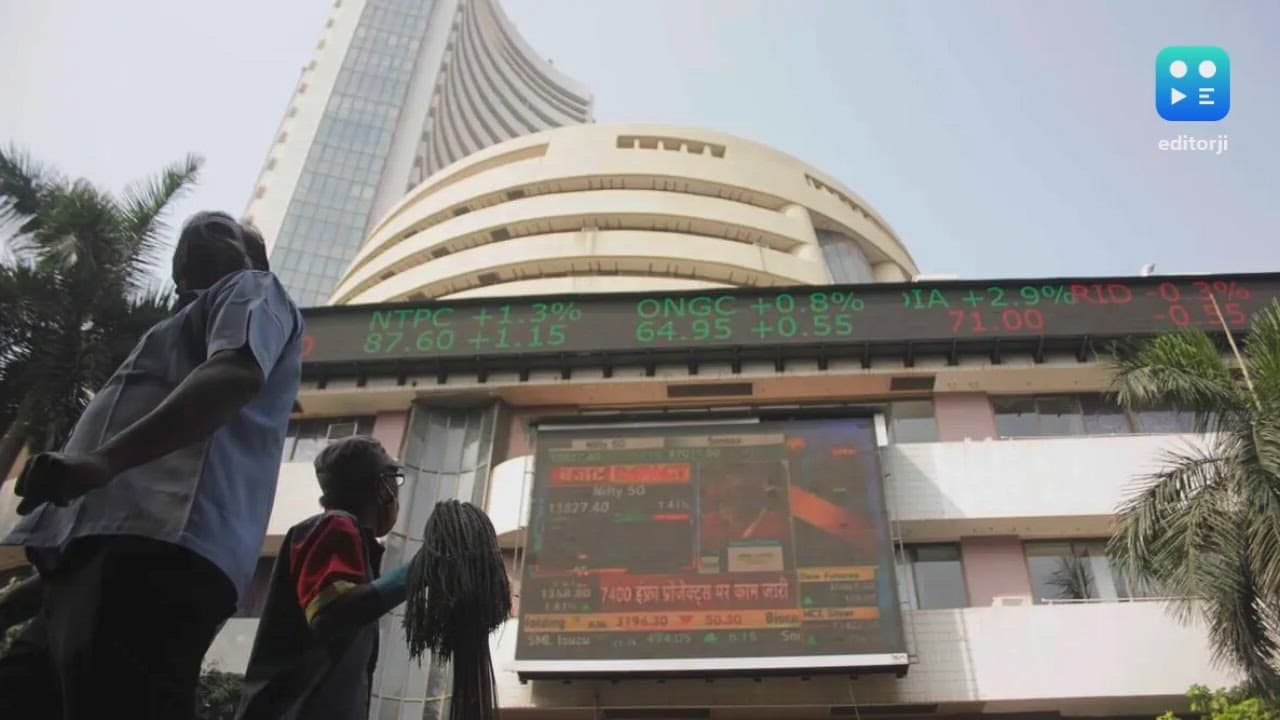
Singh’s historic reforms in 1991 not only rescued India from near bankruptcy but also redefined its trajectory as a rising global power.

Singh made an unscheduled appearance at the press conference on July 25, 1991, a day after the presentation of the Union Budget “to ensure that the message of his budget did not get distorted by less-than-enthusiastic officials”, Congress leader Jairam Ramesh writes in his book ‘To the Brink and Back: India’s 1991 Story’ that recounts the fast-paced changes that took place after Rao became the prime minister in June 1991.

“The finance minister explained his budget — calling it ‘a budget with a human face’. He painstakingly defended the proposals to increase fertiliser, petrol and LPG prices,” Ramesh recounts in the book published in 2015. Ramesh was an aide to Prime Minister Rao during his initial months in office.

Sensing the disquiet among the Congress ranks, Prime Minister Rao called a meeting of the Congress Parliamentary Party (CPP) on August 1, 1991 and decided to allow party MPs to “vent their spleen freely”.

“The prime minister stayed away and allowed Manmohan Singh to face the flak on his own,” Ramesh writes, adding that two more meetings took place on August 2 and 3, in which Rao was present throughout.

“In the CPP meetings, the finance minister cut a lonely figure and the prime minister did nothing to alleviate his distress,” Ramesh recounts.

Only two MPs — Mani Shankar Aiyar and Nathuram Mirdha — backed Manmohan Singh’s budget wholeheartedly.

Aiyar had supported the budget, contending that it conformed to Rajiv Gandhi’s beliefs on what needed to be done to stave off the financial crisis.

Bowing to pressure from the party, Singh had agreed to lower the 40 per cent increase in fertilser prices to 30 per cent, but had left the hike in LPG and petrol prices untouched.

The Cabinet Committee on Political Affairs met twice on August 4 and 5, 1991 to decide on the statement Singh would make in the Lok Sabha on August 6.

“The statement dropped the idea of a roll-back which had been demanded over the past few days, but now spoke of protecting the interests of small and marginal farmers,” the book states.

“Both sides had won. The party had forced a rethink, but the fundamentals of what the government wanted — the decontrol of prices of fertilisers other than urea and an increase in urea prices — had been preserved,” Ramesh recounts.

“This was political economy at its constructive best — a textbook example of how the government and the party can collaborate to create a win-win situation for both,” the book states.

(Except for the headline, this story has not been edited by Editorji News Desk and is published from a syndicated feed.)

ADVERTISEMENT

Up Next

Manmohan Singh: How he defended the landmark 1991 Union Budget

Manmohan Singh: How he defended the landmark 1991 Union Budget

RBI trims policy interest rate by 25bps to 5.25pc, loans to get cheaper

RBI trims policy interest rate by 25bps to 5.25pc, loans to get cheaper

Rupee slumps to all-time low of 90.25 against US dollar in intra-day trade

Rupee slumps to all-time low of 90.25 against US dollar in intra-day trade

Reliance completes merger of Star Television Productions with Jiostar

Reliance completes merger of Star Television Productions with Jiostar

India to lead emerging market growth with 7pc GDP rise in 2025: Moody’s

India to lead emerging market growth with 7pc GDP rise in 2025: Moody’s

Nifty hits record high after 14 months; Sensex nears all-time peak

Nifty hits record high after 14 months; Sensex nears all-time peak

ADVERTISEMENT

editorji-whatsApp

More videos

Reliance stops Russian oil use at its only-for-export refinery to comply with EU sanctions

Reliance stops Russian oil use at its only-for-export refinery to comply with EU sanctions

ED attaches fresh assets worth over Rs 1,400 cr in case against Anil Ambani's Reliance Group

ED attaches fresh assets worth over Rs 1,400 cr in case against Anil Ambani's Reliance Group

India signs one-year deal to import 2.2 million tonnes of LPG from US

India signs one-year deal to import 2.2 million tonnes of LPG from US

India International Trade Fair begins at Pragati Maidan amid tight security

India International Trade Fair begins at Pragati Maidan amid tight security

Stock markets decline in initial trade on foreign fund outflows, weak Asian peers

Stock markets decline in initial trade on foreign fund outflows, weak Asian peers

Amazon to lay off 30,000 office workers amid AI-driven cost cuts

Amazon to lay off 30,000 office workers amid AI-driven cost cuts

US sanctions on Russian firms to hit Reliance; PSUs likely to keep buying Russian oil via traders

US sanctions on Russian firms to hit Reliance; PSUs likely to keep buying Russian oil via traders

Dream debut: LG Electronics India shares jump over 50 pc

Dream debut: LG Electronics India shares jump over 50 pc

One GB wireless data in India costs less than a cup of tea: PM Modi

One GB wireless data in India costs less than a cup of tea: PM Modi

Power struggle in Tata Trusts: Trustees clash over board appointments

Power struggle in Tata Trusts: Trustees clash over board appointments

Editorji Technologies Pvt. Ltd. © 2022 All Rights Reserved.