Highlights

  • Ultra-processed food consumption surged, contributing to chronic diseases
  • Economic Survey suggests advertising bans and nutrition warnings
  • Coordinated policies needed across food systems for health

Latest news

Poco X8 Pro Max Review: Big Battery, Bigger Ambitions

Poco X8 Pro Max Review: Big Battery, Bigger Ambitions

Trump labels NATO allies 'cowards' over lack of military support against Iran

Trump labels NATO allies 'cowards' over lack of military support against Iran

Premium petrol price up Rs 2, industrial diesel up Rs 22; no change in normal petrol, diesel rates

Premium petrol price up Rs 2, industrial diesel up Rs 22; no change in normal petrol, diesel rates

'People have the right to criticise judgments,' says Supreme Court

'People have the right to criticise judgments,' says Supreme Court

LPG crunch continues, supplies rationalised for commercial users

LPG crunch continues, supplies rationalised for commercial users

Sri Lanka rejects US request to station warplanes, asserts neutrality

Sri Lanka rejects US request to station warplanes, asserts neutrality

Delhi on high alert ahead of Eid; heavy security in Dwarka

Delhi on high alert ahead of Eid; heavy security in Dwarka

iQOO Z11x 5G Review: The best budget phone under 20K?

iQOO Z11x 5G Review: The best budget phone under 20K?

Ban marketing of ultra-processed foods from 6 am to 11 pm, suggests Economic Survey

Economic Survey 2025-26 calls for restricting ultra-processed food ads, front-of-pack nutrition labeling, and stricter marketing rules to curb obesity and health risks.

Ban marketing of ultra-processed foods from 6 am to 11 pm, suggests Economic Survey

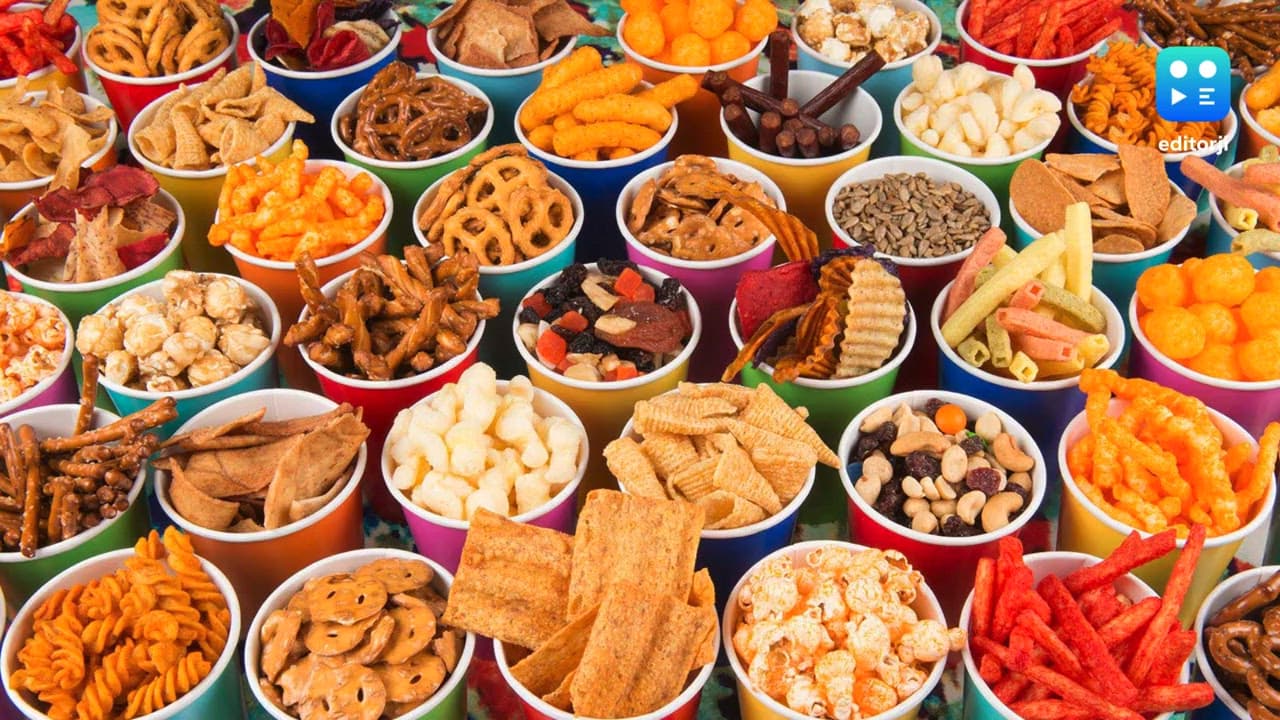
Raising concerns on the growing consumption of ultra-processed foods (UPF) containing high fat and sugar, the Economic Survey has called for exploring a ban on their advertisements from morning to late night. It has also called for restrictions on marketing of infant and toddler milk, and beverages.

The Survey suggested a "front-of-pack nutrition labelling" of high-fat, sugar and salt (HFSS) food with a warning, restricting marketing to children, and ensuring that trade agreements do not undermine public health policy. India is one of the fastest-growing markets for sales of UPF, which is contributing to chronic diseases worldwide and widening health inequalities.

The Survey tabled in Parliament by Finance Minister Nirmala Sitharaman on Thursday suggested a "multi-pronged approach" for tackling the increase of human intake of UPF—popularly known as junk foods—including burgers, noodles, pizza, soft drinks, etc. It said UPF consumption is contributing to chronic diseases worldwide and widening health inequalities. It grew more than 150 per cent from 2009 to 2023. Retail sales of UPFs in India surged from USD 0.9 billion in 2006 to nearly USD 38 billion in 2019, a 40-fold rise. "It is during the same period that obesity has nearly doubled in both men and women," the Survey said.

However, improving diets cannot depend solely on consumer behaviour change and will require coordinated policies across food systems that regulate UPF production, promote healthier and more sustainable diets, and marketing.

"The option of a marketing ban on UPFs from 0600 hours to 2300 hours for all media, and enforcing restrictions on the marketing of infant and toddler milk and beverages, could be explored," said the Survey. Chile is an example of a country with integrated laws. Advertisement restrictions are also done in other countries, such as Norway and the UK. "Recently, the UK has banned junk food advertising before 9 pm on TV and online to reduce children's exposure and curb childhood obesity. Further action on other marketing activities, including school and college sponsorship of events by UPF manufacturers, can be designed," it said.

Besides traditional media, it has also recommended UPF marketing restrictions to be mandatory and include digital media. According to the Survey, Rule 7 of the Advertisement Code prohibits misleading, unverified, or unhealthy advertisements, however, it does not define "misleading" with measurable or nutrient-based criteria, leaving interpretation subjective and inconsistent.

Similarly, the Central Consumer Protection Authority (CCPA) Guidelines for Prevention of Misleading Advertisements (2022) mandate that advertisements must not exaggerate health benefits or exploit children. "...yet they lack clear nutrient thresholds or a framework for identifying misleading claims in food marketing," it said, adding, "This regulatory ambiguity allows companies marketing UPFs to continue making vague 'health', 'energy', or 'nutrition' cues without violating any clearly defined standard, highlighting a critical policy gap that needs reform."

ADVERTISEMENT

Up Next

Ban marketing of ultra-processed foods from 6 am to 11 pm, suggests Economic Survey

Ban marketing of ultra-processed foods from 6 am to 11 pm, suggests Economic Survey

Premium petrol price up Rs 2, industrial diesel up Rs 22; no change in normal petrol, diesel rates

Premium petrol price up Rs 2, industrial diesel up Rs 22; no change in normal petrol, diesel rates

India's GDP expected to register over 8 pc growth in Sep-Dec: Report

India's GDP expected to register over 8 pc growth in Sep-Dec: Report

Govt announces seven measures to help boost exports
Govt announces seven measures to help boost exports

RBI keeps interest rates on hold after US trade deal boosts outlook

RBI keeps interest rates on hold after US trade deal boosts outlook

RBI proposes to compensate customers up to Rs 25,000 loss due to fraud
RBI proposes to compensate customers up to Rs 25,000 loss due to fraud

ADVERTISEMENT

editorji-whatsApp

More videos

RBI raises GDP growth projection of Q1, Q2 of FY27
RBI raises GDP growth projection of Q1, Q2 of FY27

RBI pauses rate cuts, retains interest rate at 5.25 pc

RBI pauses rate cuts, retains interest rate at 5.25 pc

Rupee jumps 122 paise to close at 90.27 against US dollar on India-US trade deal

Rupee jumps 122 paise to close at 90.27 against US dollar on India-US trade deal

Stock markets cheer India-US trade deal: Sensex, Nifty surge 2.5 pc

Stock markets cheer India-US trade deal: Sensex, Nifty surge 2.5 pc

UPI transactions hit record high of Rs 230 lakh crore in 2025-26 till Dec: Govt

UPI transactions hit record high of Rs 230 lakh crore in 2025-26 till Dec: Govt

Explained: India-US trade deal, tariffs and trade benefits

Explained: India-US trade deal, tariffs and trade benefits

Trade deal with US adds momentum to India's growth ambition: Industry leaders

Trade deal with US adds momentum to India's growth ambition: Industry leaders

Rupee jumps 119 paise to 90.30 against the US dollar on India-US trade deal

Rupee jumps 119 paise to 90.30 against the US dollar on India-US trade deal

President Trump announces US-India trade deal, lowers tariffs from 25 pc to 18 pc

President Trump announces US-India trade deal, lowers tariffs from 25 pc to 18 pc

Stock markets cheer India-US trade deal: Sensex jumps over 5 pc; Nifty nears all-time high

Stock markets cheer India-US trade deal: Sensex jumps over 5 pc; Nifty nears all-time high

Editorji Technologies Pvt. Ltd. © 2022 All Rights Reserved.