Highlights

  • Centre’s debt burden, as a percentage of GDP, has considerably increased to 60.5 percent in FY21
  • Government stands to miss its divestment target of ₹1.75 lakh crore

Latest news

Asus Pad T3201 Review: OLED Brilliance Meets Everyday Mid-Range Power

Asus Pad T3201 Review: OLED Brilliance Meets Everyday Mid-Range Power

Qualcomm Showcases Snapdragon 8 Elite Gen 6 Chips At IMC 2026, Teases New Flagships

Qualcomm Showcases Snapdragon 8 Elite Gen 6 Chips At IMC 2026, Teases New Flagships

Shokz Diwali Sale Brings Discounts On Open-Ear Headphones Across Amazon And Flipkart

Shokz Diwali Sale Brings Discounts On Open-Ear Headphones Across Amazon And Flipkart

iQOO 16 Confirmed For India With Snapdragon 8 Elite Extreme Gen 6 And OriginOS 7

iQOO 16 Confirmed For India With Snapdragon 8 Elite Extreme Gen 6 And OriginOS 7

ASUS Announces Festive Discounts Across Laptops, Gaming PCs And Tablets

ASUS Announces Festive Discounts Across Laptops, Gaming PCs And Tablets

Priyanka Gandhi lies on ground, Rahul detained as Delhi Police stop INDIA bloc MPs' Jantar Mantar march

Priyanka Gandhi lies on ground, Rahul detained as Delhi Police stop INDIA bloc MPs' Jantar Mantar march

Emotion, tears as Messi retires from Argentina national team

Emotion, tears as Messi retires from Argentina national team

Rajpal Yadav tells CJI Surya Kant his legal troubles inspired film title ‘Solah Sawan Jhel Ke’

Rajpal Yadav tells CJI Surya Kant his legal troubles inspired film title ‘Solah Sawan Jhel Ke’

Budget 2022: Is it worth being ‘fiscally’ fit right now?

Government moved the goalpost by raising the FY22 fiscal deficit target to 6.8 percent from 3 percent.

Budget 2022: Is it worth being ‘fiscally’ fit right now?

Budget 2022 & Fiscal Deficit: Over 2 decades after India put the spotlight on fiscal fitness and health the question that continues to haunt North Block is how critical are fiscal targets now.

Before we go ahead it is important to go back and dissect what is fiscal fitness and why the fiscal deficit is such a talked about term.

It was the year 2000 and ruling the roost at North Block was Yashwant Sinha, when the much talked about Fiscal Responsibility act came into existence. Implemented just three years later the mantra and mandate was clear– keep your spending in check!

So what is a fiscal deficit? To put it simply it is the difference between what the government earns (or gets in revenue) and what the government spends. And as the government spends far more than it gets in revenue from taxes et al the shortfall is called the fiscal deficit.

So the next question is where does the money really come from to spend and how do does the government make up for the shortfall?

The main source of revenue for the government is taxes you and I as well as companies and business pay. When we say taxes not just income tax but also service tax, liquor tax even host of duties on different products such as petrol and diesel. But spending far outpaces revenue for the government. To put it in perspective, let us take the year 2019 (before covid played havoc with the budget) - The govt estimated revenues amounted to while expenditure Rs 27,86,349 crore meaning there was a shortfall off 7 lakh crore.

Now that’s no pocket change ..so where does this money come from..Simple just like you and me the govt borrows! Yes it takes a loan! ..but they get it from their local banker – The RBI and yes just like any citizen or business they too have to pay interest. Infact the borrows by buying G-Secs or Treasury Bills from the central bank and in lieu pays interest. In fact the year before the pandemic 2019 The govt paid over Rs 6 lakh crore in just interest payments.

And as we all know loans and interest does not sit well for the health of any budget household or union which is why in the year 2000 the formed the Fiscal Responsibility Act which mandates by law for the government to keep it’s spending in check but as covid creates havoc with the economy will fiscal fitness continue to take a back seat. With a target of 6.8% also to be missed the bigger number to watch for is FM is willing to let go of the purse strings for one more year. That question will be answered on February 1st by the Finance Minister.

Frequently Asked Questions

Fiscal fitness refers to the government's practice of keeping its spending in check to maintain financial health and stability.

ADVERTISEMENT

Up Next

Budget 2022: Is it worth being ‘fiscally’ fit right now?

Budget 2022: Is it worth being ‘fiscally’ fit right now?

Sensex falls 429 points, Nifty slips 173 points after RBI rate hike

Sensex falls 429 points, Nifty slips 173 points after RBI rate hike

RBI raises repo rate by 25 bps to 5.50%, shifts policy towards tightening
RBI raises repo rate by 25 bps to 5.50%, shifts policy towards tightening

GST rates likely unchanged as 57th Council meeting focuses on reforms
GST rates likely unchanged as 57th Council meeting focuses on reforms

Sensex gains 685 points, Nifty rises 220 points to cross 22,700
Sensex gains 685 points, Nifty rises 220 points to cross 22,700

Sensex gains 473 points, Nifty rises 134 points as markets stage recovery

Sensex gains 473 points, Nifty rises 134 points as markets stage recovery

ADVERTISEMENT

editorji-whatsApp

More videos

India To Grow 7% In FY27, Next Growth Phase Hinges On Infra, Deeper Capital Markets: S&P Global
India To Grow 7% In FY27, Next Growth Phase Hinges On Infra, Deeper Capital Markets: S&P Global

Sensex Falls 49 Points, Nifty Slips 96 As Selling Pressure Returns
Sensex Falls 49 Points, Nifty Slips 96 As Selling Pressure Returns

Sensex falls 243 points, Nifty slips 64 points as foreign outflows and crude prices weigh

Sensex falls 243 points, Nifty slips 64 points as foreign outflows and crude prices weigh

India launches anti-dumping probes into 7 Chinese products, including key pharma ingredients
India launches anti-dumping probes into 7 Chinese products, including key pharma ingredients

Sensex crashes 1,124 points, Nifty falls 1.56% as crude surges above $107
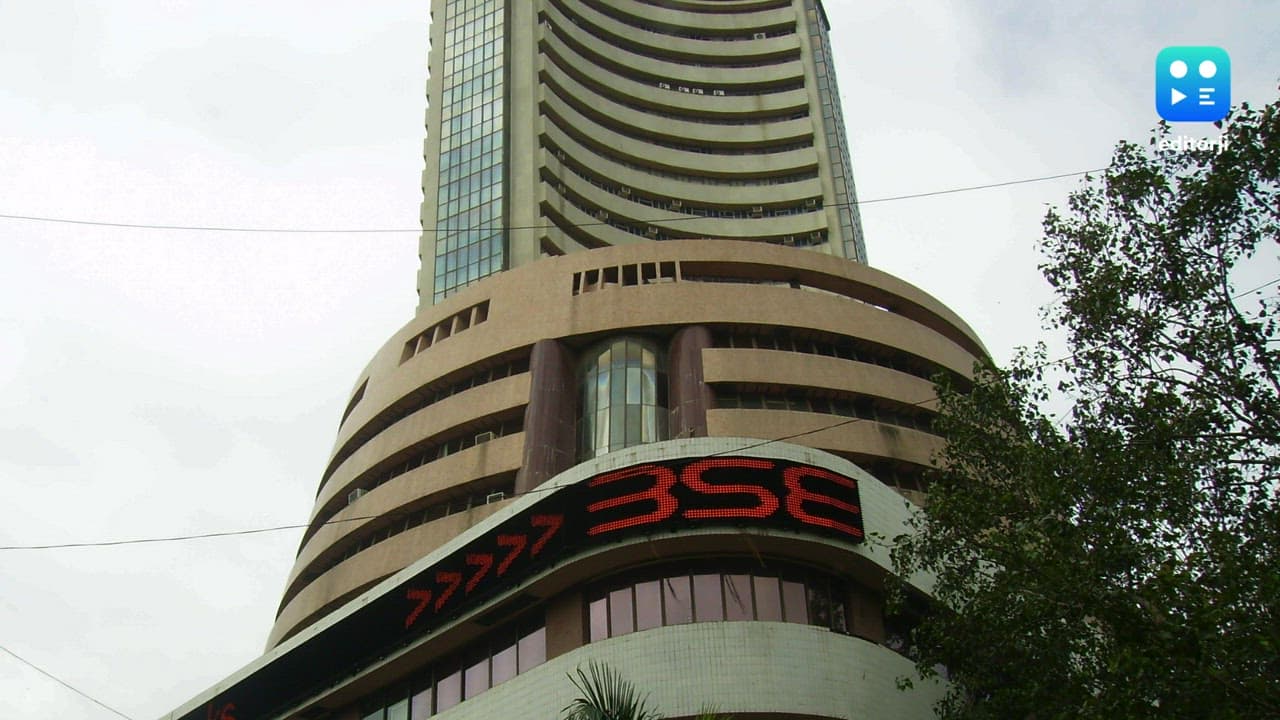
Sensex crashes 1,124 points, Nifty falls 1.56% as crude surges above $107

Sensex Rises 315 Points, Nifty Gains 77 as Markets Recover After Sharp Sell-Off
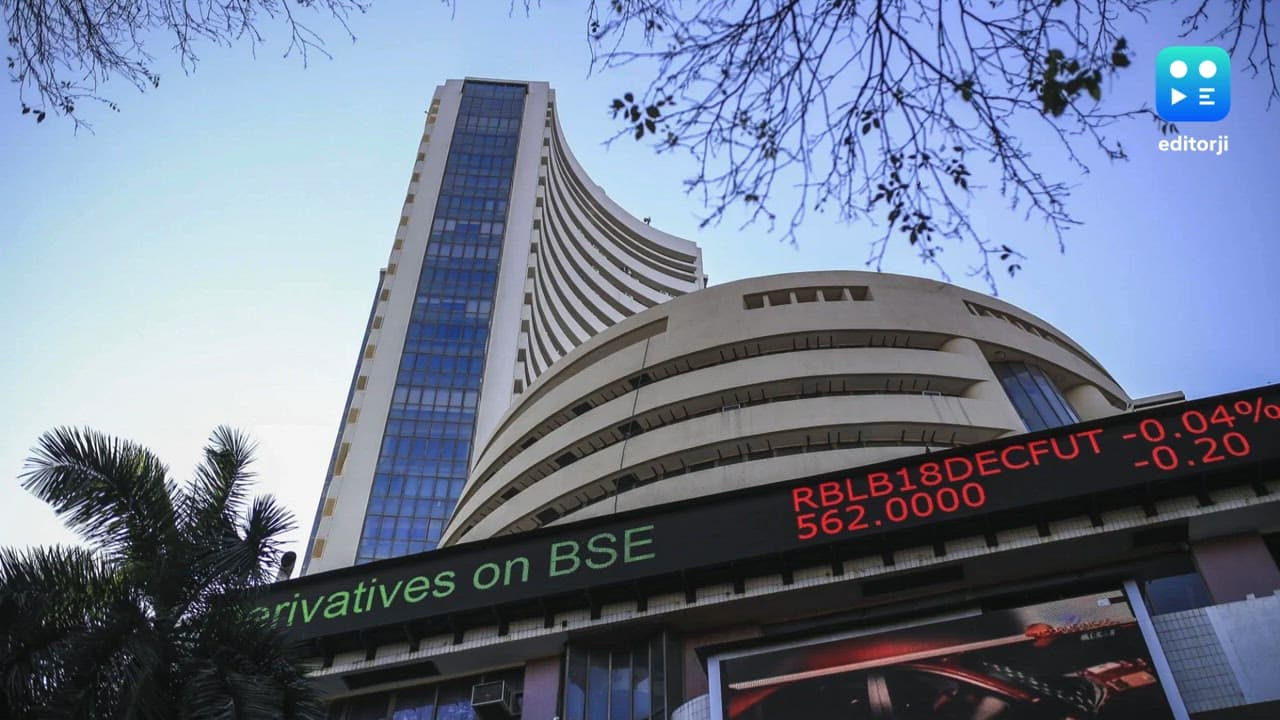
Sensex Rises 315 Points, Nifty Gains 77 as Markets Recover After Sharp Sell-Off

Sensex Crashes 1,248 Points, Nifty Falls 1.64% Amid Global Cues
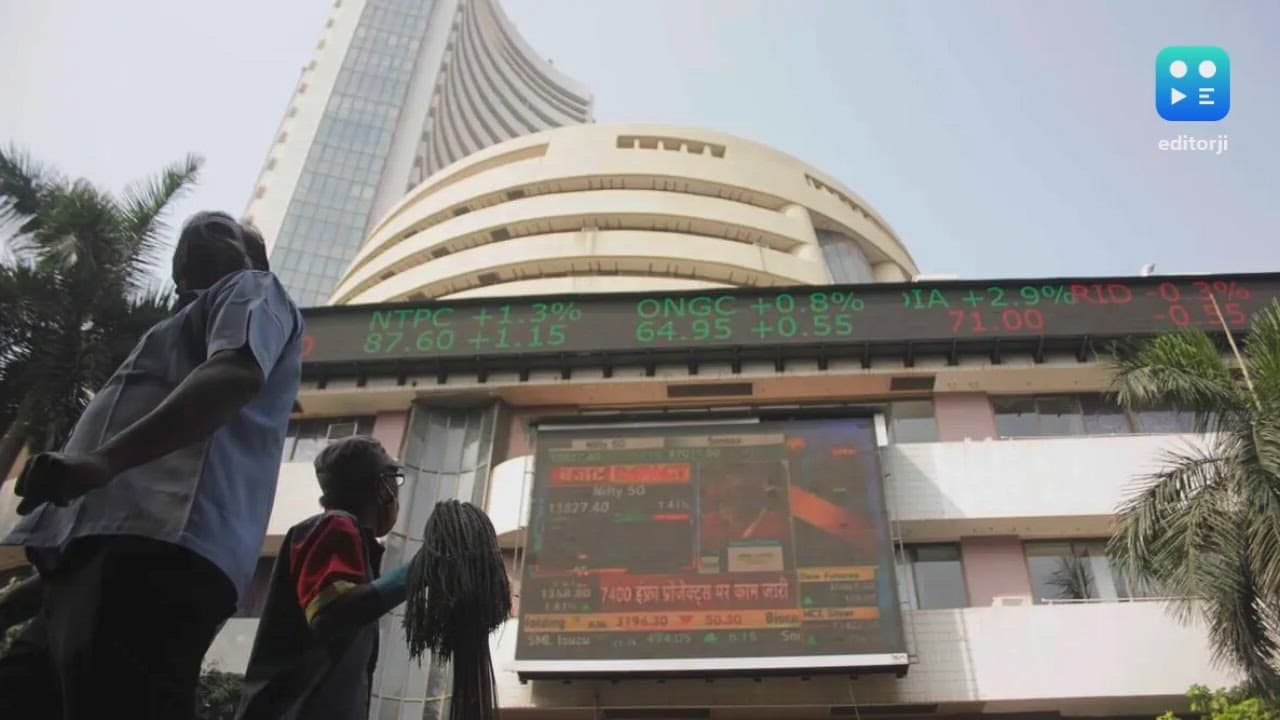
Sensex Crashes 1,248 Points, Nifty Falls 1.64% Amid Global Cues

Sensex, Nifty End Higher As Domestic Growth Signals, Softer Crude Support Sentiment

Sensex, Nifty End Higher As Domestic Growth Signals, Softer Crude Support Sentiment

UPI Payments In Uzbekistan: Indian Travellers To Get QR-Based Payment Option
UPI Payments In Uzbekistan: Indian Travellers To Get QR-Based Payment Option

India’s Q1 GDP Growth Hits 7.8%, Beats RBI Estimate

India’s Q1 GDP Growth Hits 7.8%, Beats RBI Estimate

Editorji Technologies Pvt. Ltd. © 2022 All Rights Reserved.