Highlights

  • Retail investors flock to NSE for daily zero-day options trading
  • NSE records 4 million retail traders in August, breaking records

Latest news

From Silent Retreats to Solo Trips: What Indians Are Googling About Travel

From Silent Retreats to Solo Trips: What Indians Are Googling About Travel

How to Open an FD Account and Choose the Right Deposit Amount, Tenure and Interest Payout Option

How to Open an FD Account and Choose the Right Deposit Amount, Tenure and Interest Payout Option

Credit Card Cash Withdrawal: Charges You Must Know Before You Swipe

Credit Card Cash Withdrawal: Charges You Must Know Before You Swipe

A New Chapter in PCs: NVIDIA RTX Spark PCs Launched in India Starting at ₹2.99 Lakh

A New Chapter in PCs: NVIDIA RTX Spark PCs Launched in India Starting at ₹2.99 Lakh

From Toy Faces To Lucky Charms, DailyObjects’ New Cases Put Art On iPhones

From Toy Faces To Lucky Charms, DailyObjects’ New Cases Put Art On iPhones

Why Retirement Planning is Shifting From Wealth Accumulation to Income Sustainability
Why Retirement Planning is Shifting From Wealth Accumulation to Income Sustainability

OPPO 45W 20000mAh Power Bank Review: No Mess, Fast Speeds, Real Value 

OPPO 45W 20000mAh Power Bank Review: No Mess, Fast Speeds, Real Value 

One in Three Laptop Buyers Wants to Upgrade for AI; 24% Are Open to Snapdragon, Survey Finds

One in Three Laptop Buyers Wants to Upgrade for AI; 24% Are Open to Snapdragon, Survey Finds

August sees record participation of retail investor in derivatives market: Report

Retail investors held a 27% market share, with NSE's cash market seeing a peak of 10.7 million retail traders and ₹14,400 crore net cash investment in August, ending a five-month net selling streak

 August sees record participation of retail investor in derivatives market: Report

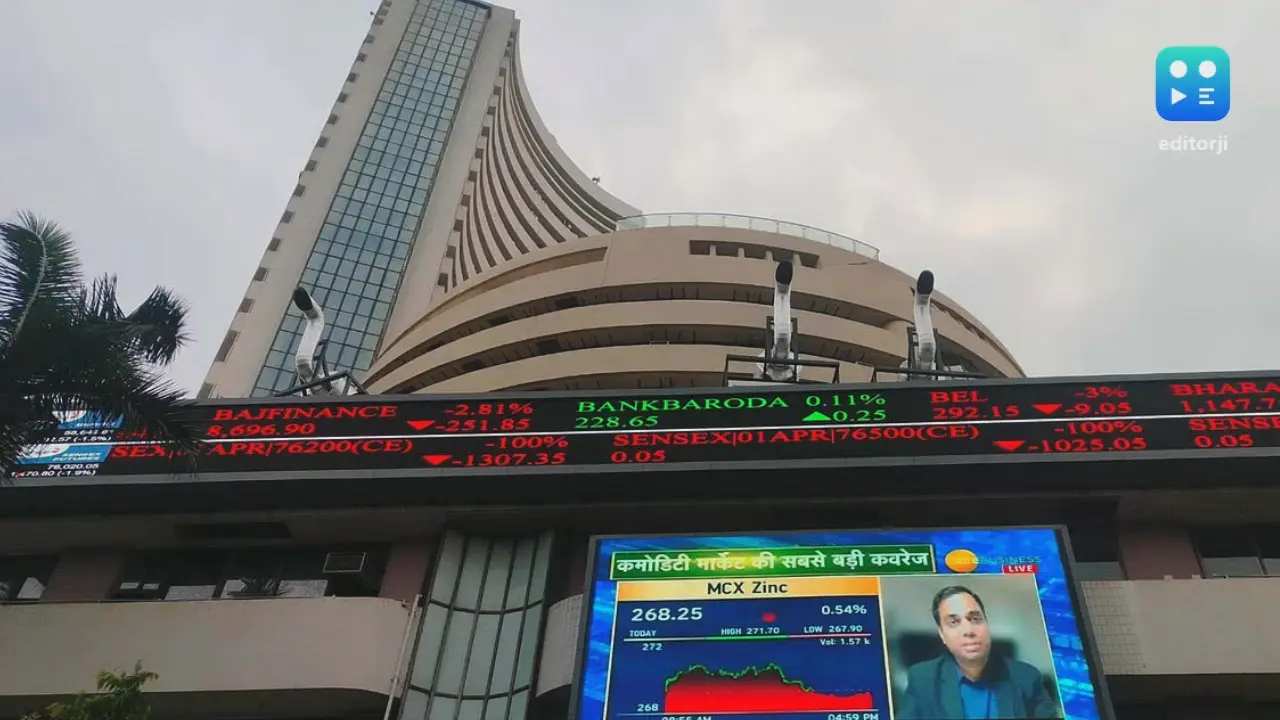
Retail investors in India have flocked to the derivatives market on the National Stock Exchange (NSE) in record numbers during the month of August, as per a mint report. This despite the market regulator's warnings surrounding the risks.

According to data from the NSE, the number of retail investors primarily trading index options on the exchange reached a new high of 4 million in August. This marked a notable increase from the 3.7 million recorded in July and was well above the monthly average of 2.8 million observed throughout the previous fiscal year (2022-23).

This surge in retail participation can be attributed to the growing popularity of zero-day options, which offer daily expirations at relatively lower costs.

Speaking to Mint, Chandan Taparia, Vice President of Derivatives and Technical Research at Motilal Oswal Financial Services Ltd (MOFSL), noted, "Retail interest in zero-day options has been increasing and has hit a crescendo so far this fiscal (2023-24) with markets breaking out of the December high." He also pointed out that the popularity of daily index options is evident with BSE's introduction of weekly Sensex options earlier this year.

Zero-day options allow traders to speculate on daily price movements and tend to be more affordable than monthly expiration options. Retail investors are drawn to these options due to their cost-effectiveness and the potential for substantial gains. However, it's important to note that options lose value as they approach their expiration date, and option sellers are often more knowledgeable and financially stable than buyers.

To address the risks associated with derivatives trading, the Securities and Exchange Board of India (SEBI) mandated that brokers display mandatory risk disclosures on their websites and each derivatives order. These disclosures highlight the challenges and potential losses in derivatives trading.

Before punching an online order, investors must click on the “I Understand” button, which runs risk disclosures like “Nine out of 10 individual traders in equity Futures and Options Segment incurred net losses” and “On an average, loss makers registered net trading loss close to ₹50,000

U.R. Bhat, Co-founder and Director of Alphaniti Fintech, highlighted to Mint, that the low cost of weekly options is a significant attraction for retail investors. He stated, "Zero-day options tend to be cheaper than monthly expiry options, so retail investors are drawn to them due to their affordability and the hope of earning substantial profits."

The NSE initially introduced monthly index options in 2001, followed by weekly Bank Nifty options in 2016 and weekly Nifty options in 2019. In subsequent years, the exchange added weekly options for the Nifty Financial Services Index (Finnifty) and the Nifty Midcap Select Index, catering to different segments of the market.

Index options accounted for a significant 98% of the notional derivatives turnover, totalling ₹35,790 trillion, in the fiscal year through September 15.

In terms of market share, retail investors constituted 27% of equity derivatives trading in the April to August period of 2023-24, trailing behind proprietary traders at 58.6%. Foreign portfolio investors accounted for 5.9%, corporates 3.6%, and others 4.7%, reported Mint.

Frequently Asked Questions

In August, retail investors in India reached a new high of 4 million on the National Stock Exchange (NSE) for trading index options, marking a notable increase from 3.7 million in July and significantly surpassing the monthly average of 2.8 million from the previous fiscal year (2022-23).

ADVERTISEMENT

Up Next

 August sees record participation of retail investor in derivatives market: Report

August sees record participation of retail investor in derivatives market: Report

How to Open an FD Account and Choose the Right Deposit Amount, Tenure and Interest Payout Option

How to Open an FD Account and Choose the Right Deposit Amount, Tenure and Interest Payout Option

Credit Card Cash Withdrawal: Charges You Must Know Before You Swipe

Credit Card Cash Withdrawal: Charges You Must Know Before You Swipe

Why Retirement Planning is Shifting From Wealth Accumulation to Income Sustainability

Why Retirement Planning is Shifting From Wealth Accumulation to Income Sustainability

How Does a Critical Illness Policy Work? Coverage, Claims & Benefits Explained
How Does a Critical Illness Policy Work? Coverage, Claims & Benefits Explained

Sensex Falls 252 Points, Nifty Slips as Crude Oil Tops $106

Sensex Falls 252 Points, Nifty Slips as Crude Oil Tops $106

ADVERTISEMENT

editorji-whatsApp

More videos

Sensex Jumps Over 1,100 Points, Nifty Gains 1.6% as IT Stocks Rally
Sensex Jumps Over 1,100 Points, Nifty Gains 1.6% as IT Stocks Rally

Sensex falls 429 points, Nifty slips 173 points after RBI rate hike

Sensex falls 429 points, Nifty slips 173 points after RBI rate hike

RBI raises repo rate by 25 bps to 5.50%, shifts policy towards tightening

RBI raises repo rate by 25 bps to 5.50%, shifts policy towards tightening

GST rates likely unchanged as 57th Council meeting focuses on reforms
GST rates likely unchanged as 57th Council meeting focuses on reforms

Sensex gains 685 points, Nifty rises 220 points to cross 22,700
Sensex gains 685 points, Nifty rises 220 points to cross 22,700

Sensex gains 473 points, Nifty rises 134 points as markets stage recovery

Sensex gains 473 points, Nifty rises 134 points as markets stage recovery

India To Grow 7% In FY27, Next Growth Phase Hinges On Infra, Deeper Capital Markets: S&P Global
India To Grow 7% In FY27, Next Growth Phase Hinges On Infra, Deeper Capital Markets: S&P Global

Sensex Falls 49 Points, Nifty Slips 96 As Selling Pressure Returns
Sensex Falls 49 Points, Nifty Slips 96 As Selling Pressure Returns

Sensex falls 243 points, Nifty slips 64 points as foreign outflows and crude prices weigh

Sensex falls 243 points, Nifty slips 64 points as foreign outflows and crude prices weigh

India launches anti-dumping probes into 7 Chinese products, including key pharma ingredients

India launches anti-dumping probes into 7 Chinese products, including key pharma ingredients

Editorji Technologies Pvt. Ltd. © 2022 All Rights Reserved.