


Highlights
Sheinbaum assaulted publicly. Critics accuse political distraction. Gender violence spotlight emerges.
Latest news

Step-by-step guide to apply for a mortgage loan online with minimal documentation

Hansika Motwanni seeks blessings at Tirumala temple, shares morning glimpse

Former New York IT Professional Builds Wellness Brand in Telangana, Creating Employment Through Small-Town Manufacturing

Sand2Sky Launches as Bhubaneswar's Premier Luxury Real Estate Consultancy, Redefining High-End Property Advisory in Odisha

Eros Music Worlds announces AI-powered music platform, partnership with Mohammed Rafi family

LTM Joins Athena, a Chainguard-led Industry Coalition to Help Secure Open Source Software in the AI Era

DOT School of Design Hosts Tamil Nadu's Biggest Design Graduation Show in Chennai

Bell Techlogix India Earns 2026 Great Place To Work Certification™ for Second Consecutive Year


Up Next

Incident Involving Mexican President Highlights Gender Violence
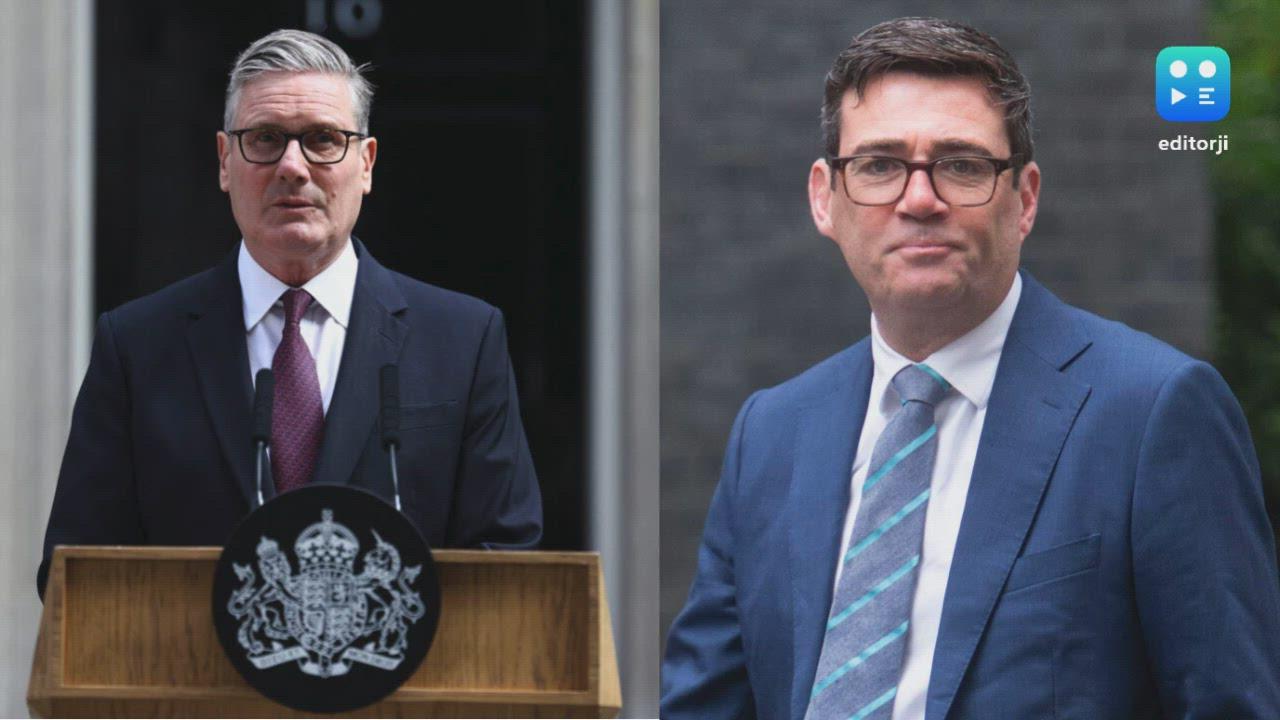
Starmer resigns as UK PM, Burnham favourite to take over
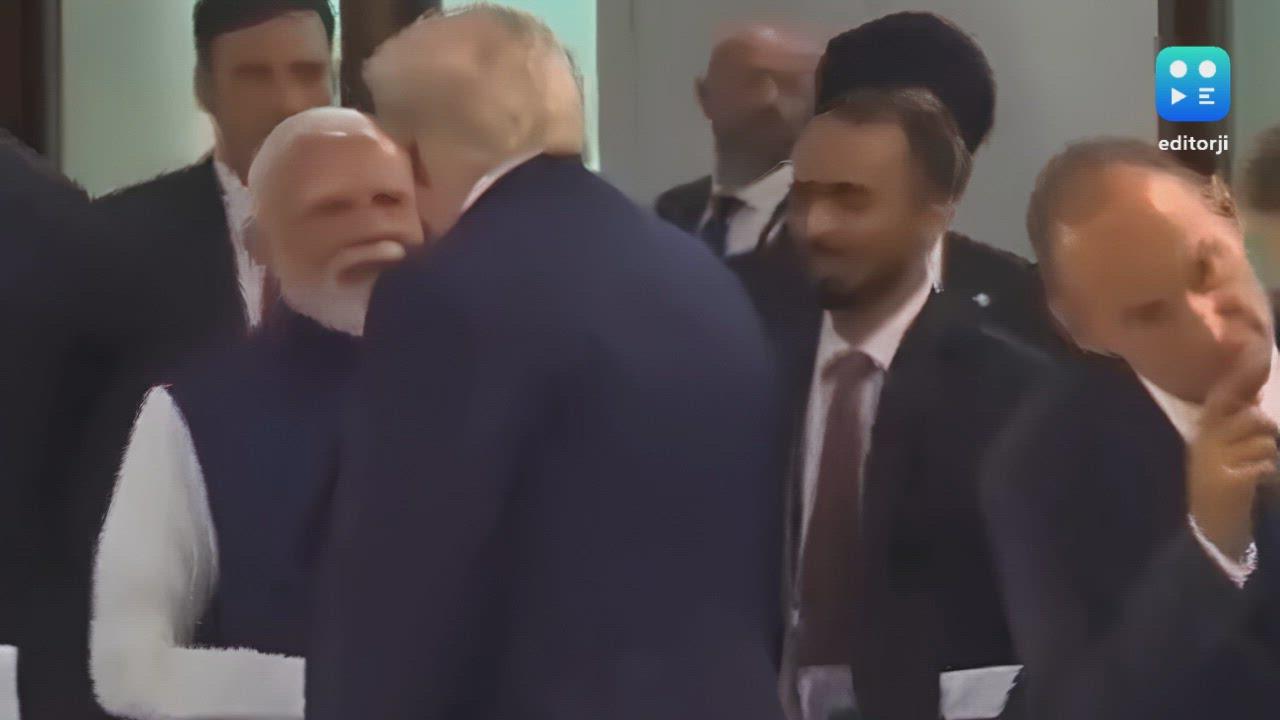
G7 summit: PM Modi holds brief conversation with US President Trump
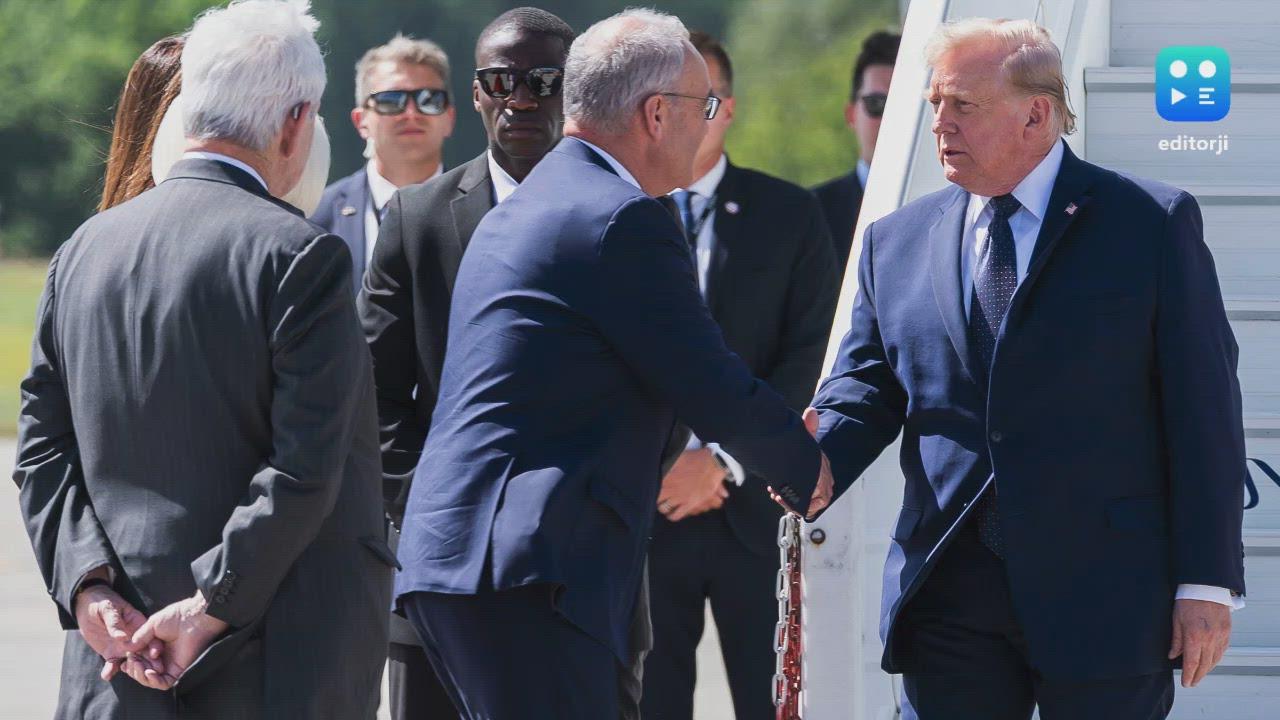
Trump arrives at G7 summit looking for momentum after announcing a deal to end Iran war
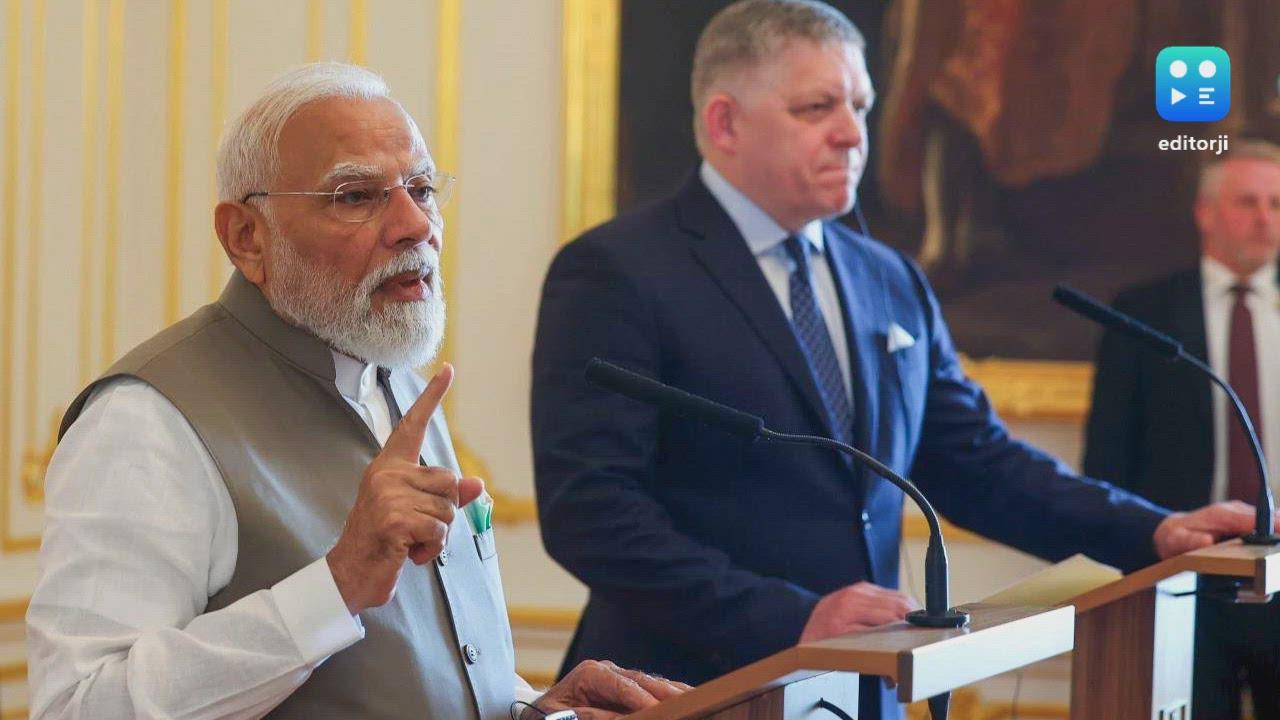
India, Slovakia upgrade ties to comprehensive partnership; ink 11 pacts

All 22 crew members evacuated after third vessel with Indians on board was attacked off Oman

More videos
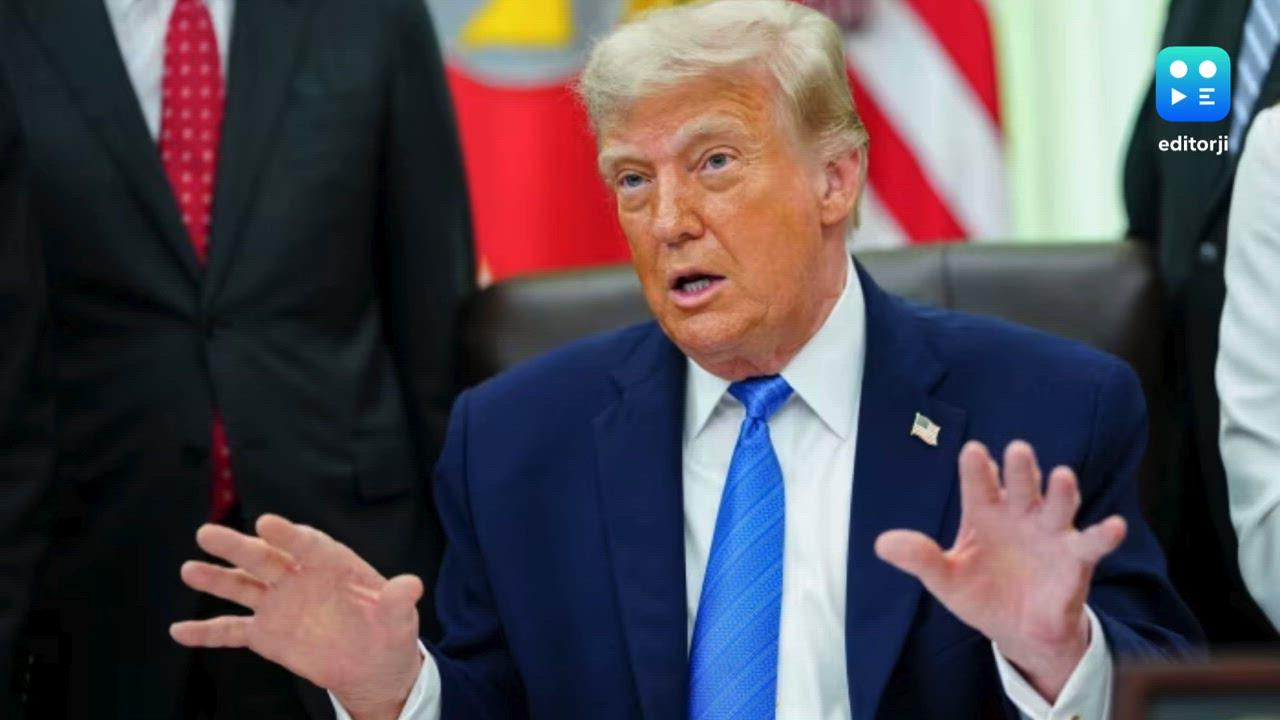
Trump threatens to take 'total control' of Iran's oil industry as ceasefire teeters
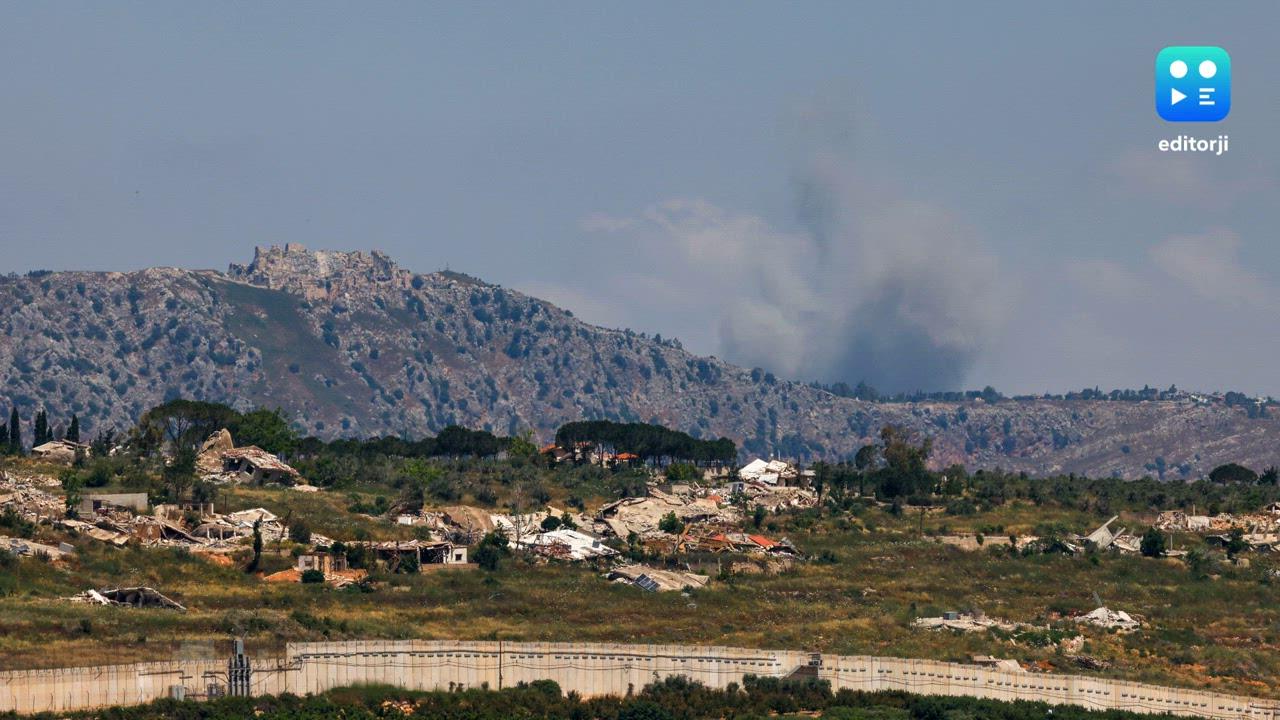
Iran halts Israel operation after first post-truce clash
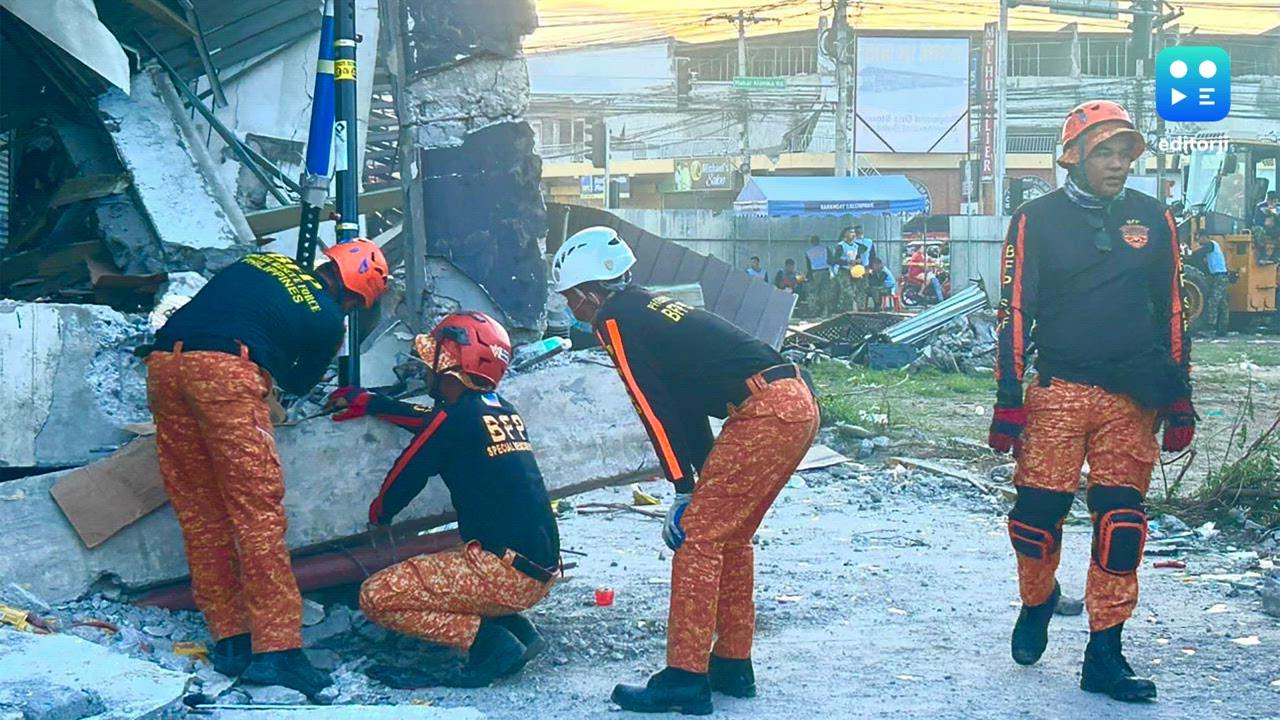
Major quake off Philippines kills at least 35, dozen still missing
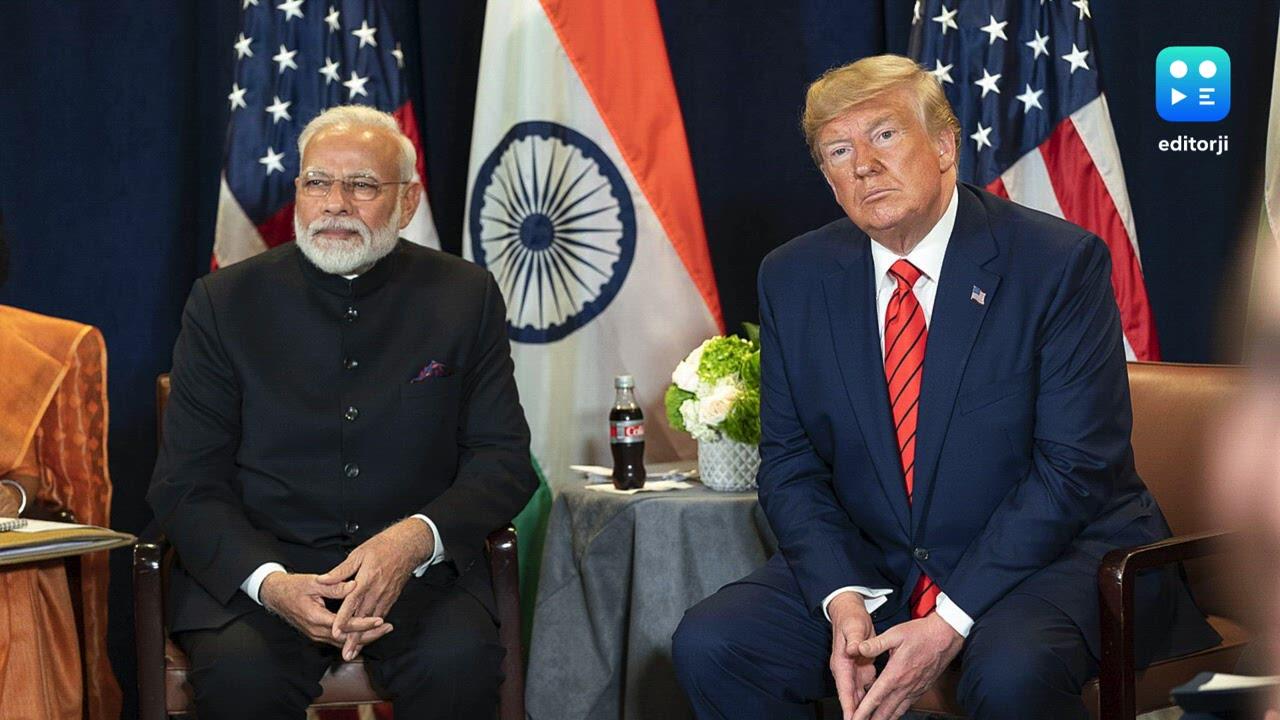
US proposes 12.5% tariffs on India, others on concerns over forced labour; India remains engaged in talks
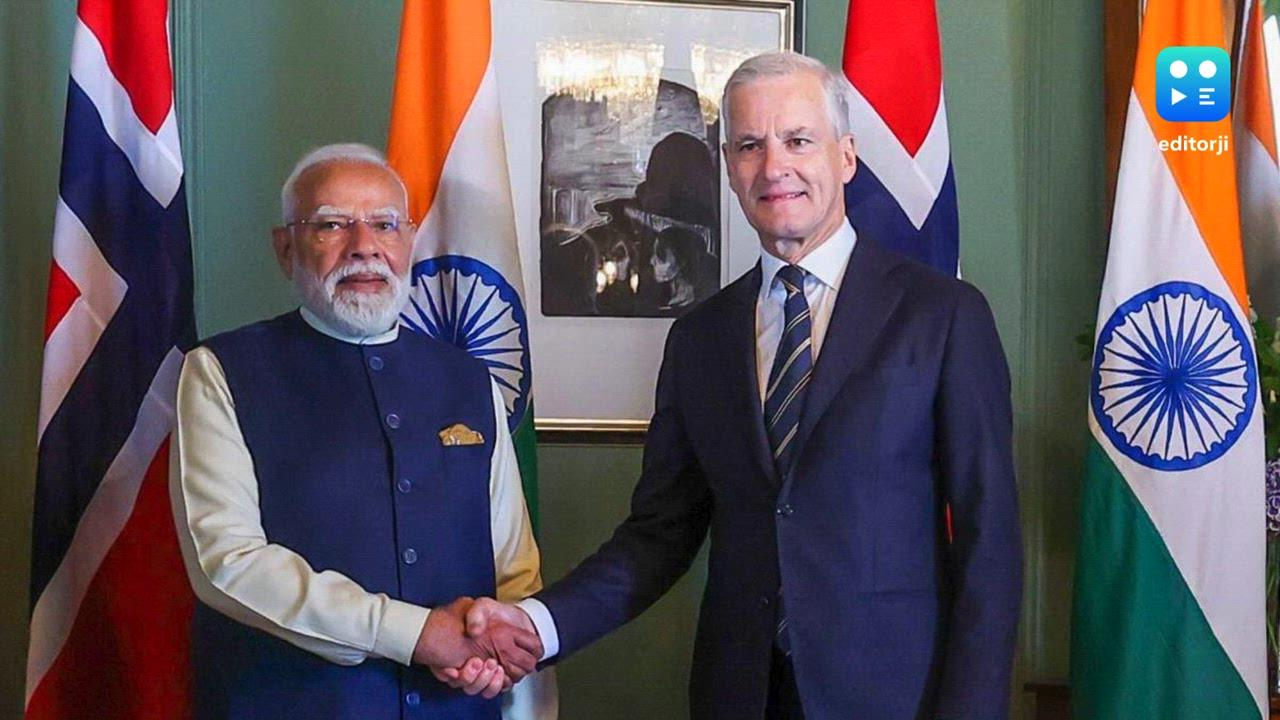
PM Modi calls for peaceful resolution of conflicts in West Asia and Ukraine
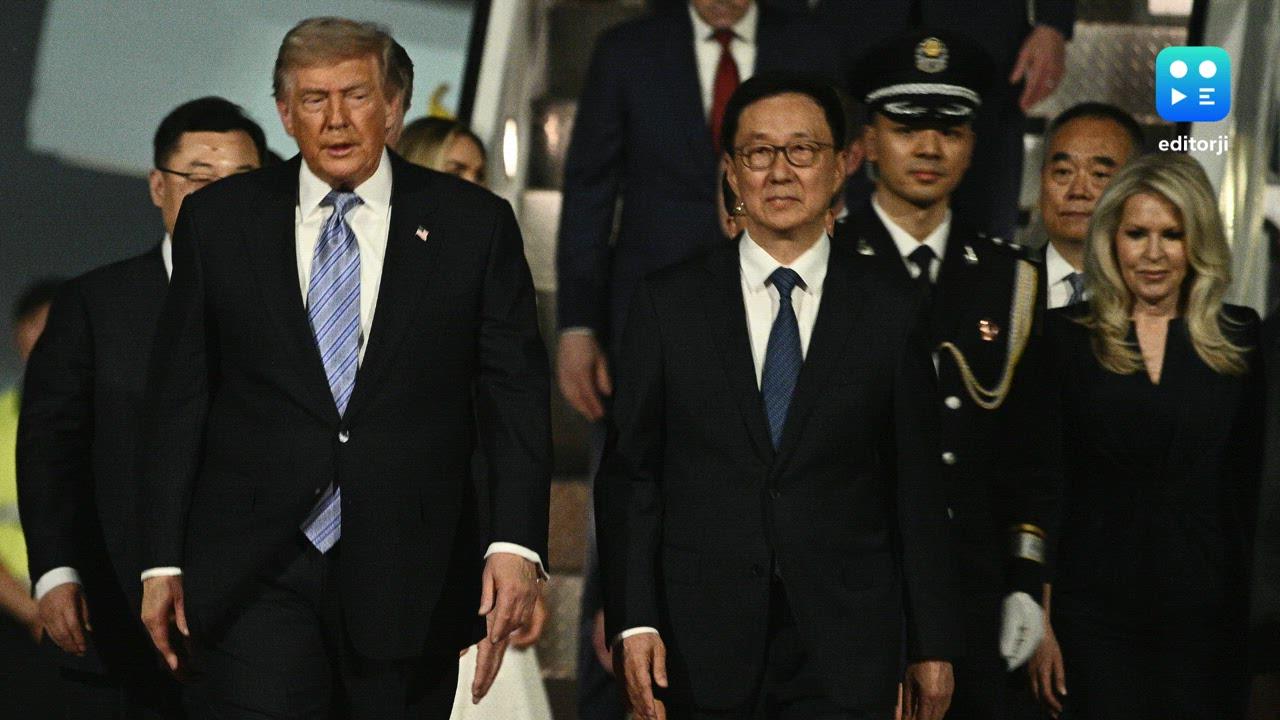
Trump arrives in China for superpower summit with Xi Jinping
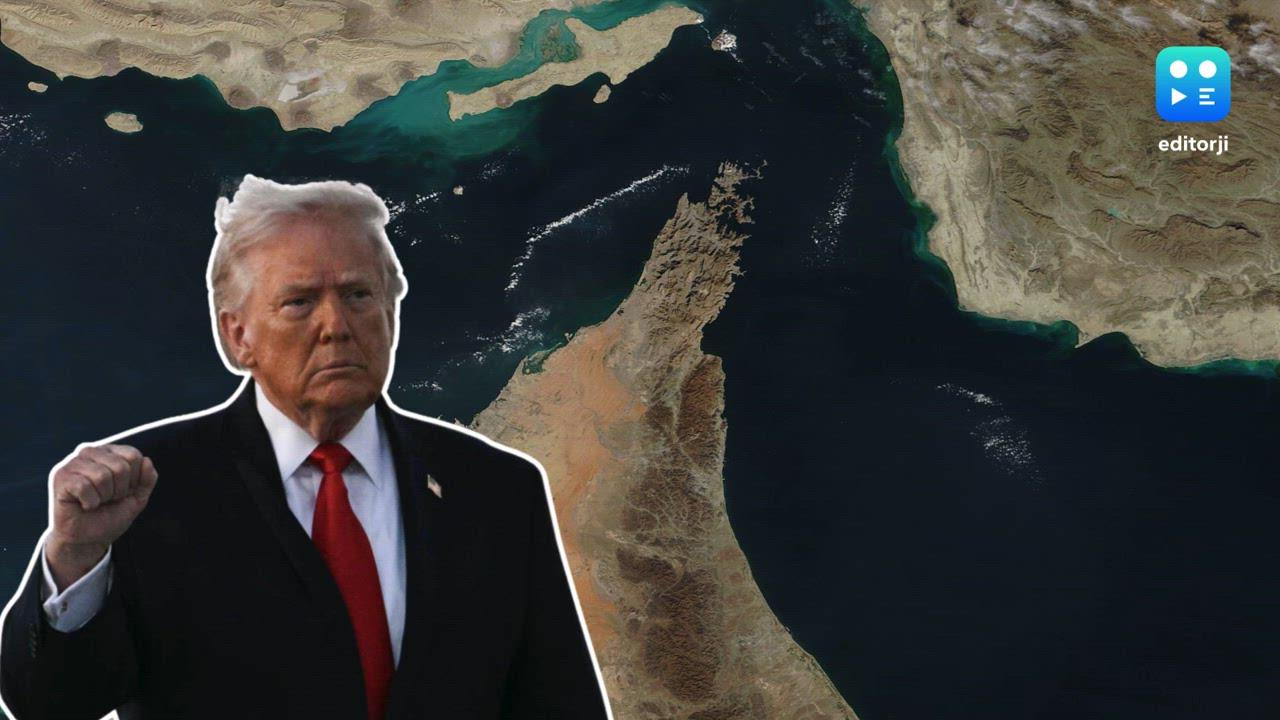
Trump orders US military to 'shoot and kill' Iranian small boats choking Strait of Hormuz
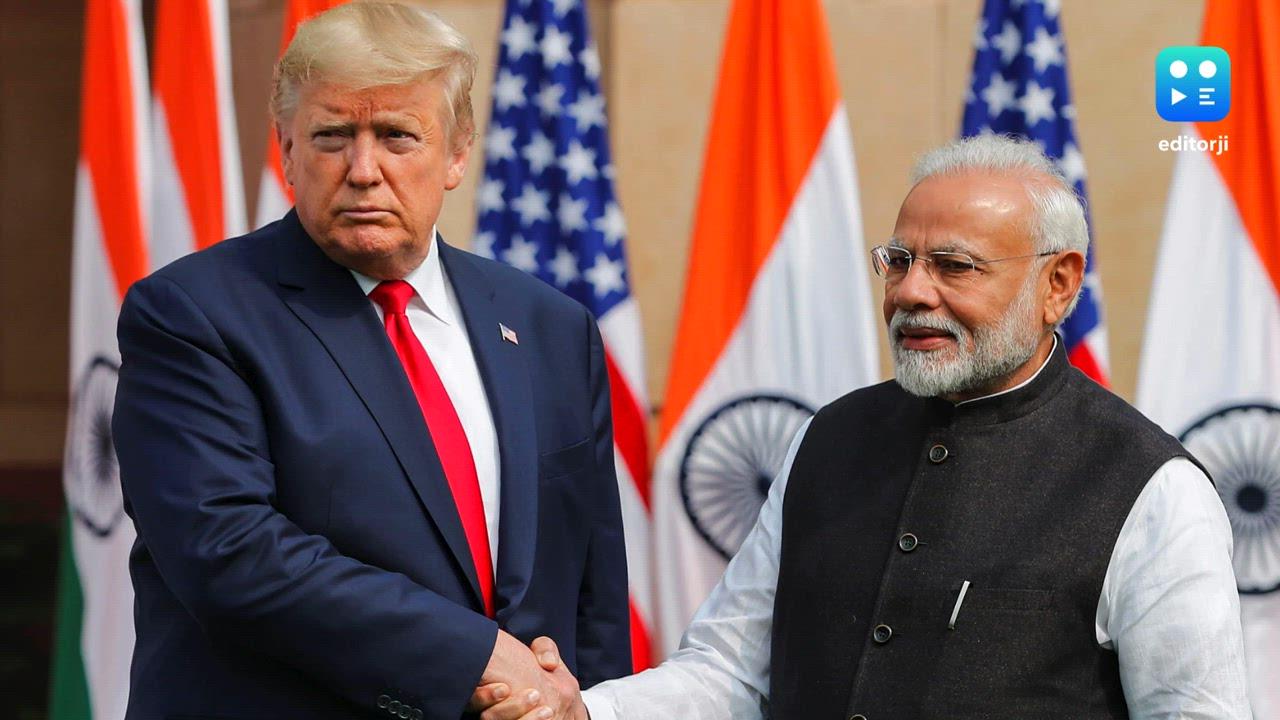
India is a great country: Trump after controversial social media repost
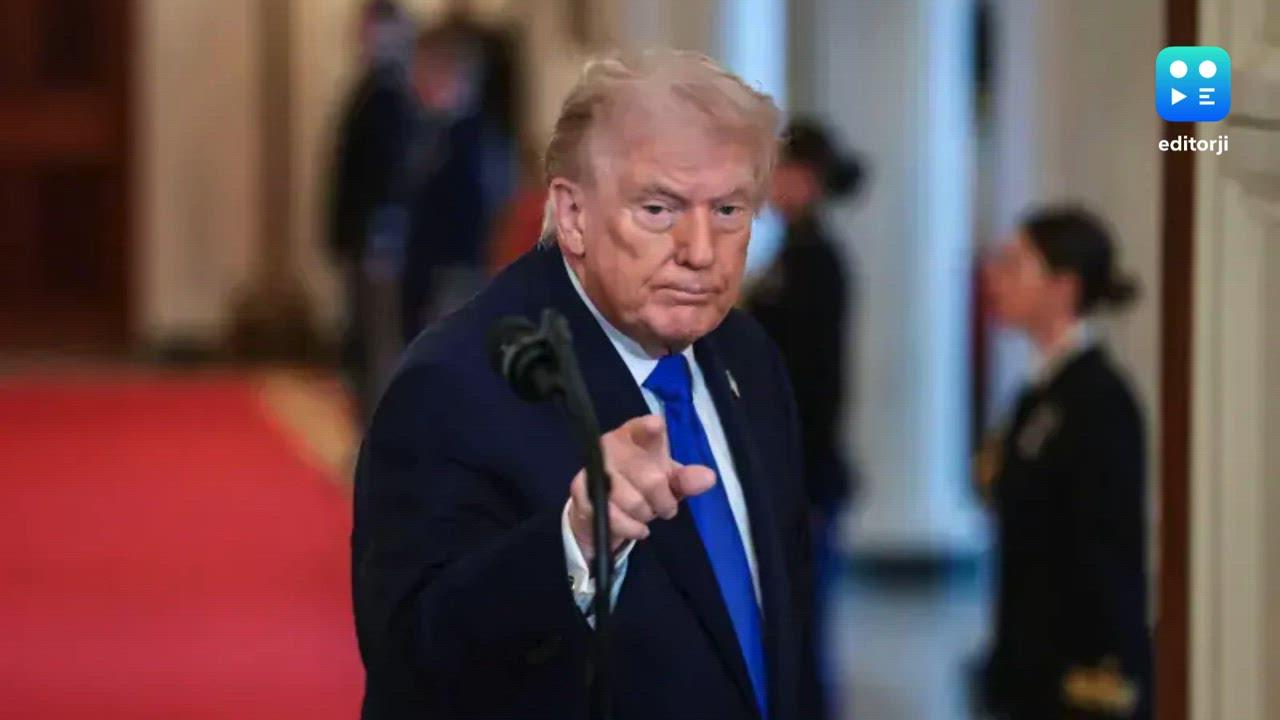
Trump says Iran violated truce as doubt surrounds peace talks
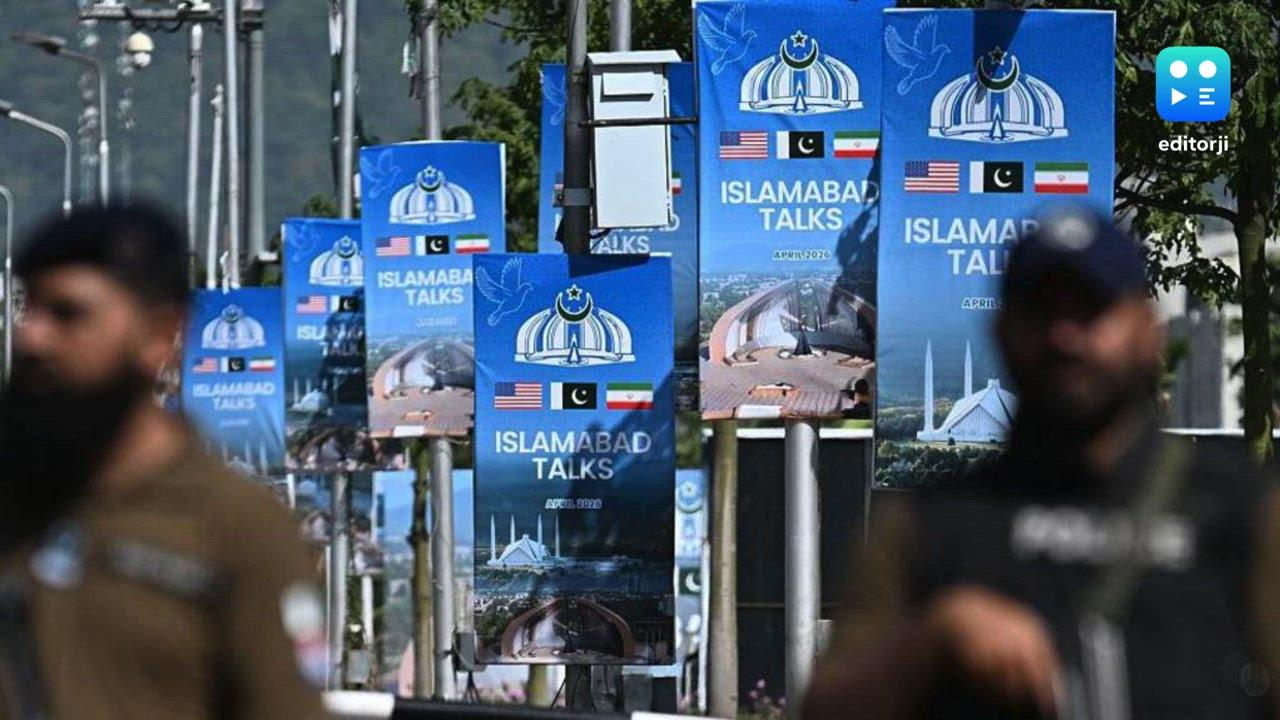
Iran says 'no decision' yet on joining new round of US peace talks