New Delhi, Jul 23 (PTI) — In a significant step toward sports reform, Sports Minister Mansukh Mandaviya has introduced the National Sports Governance Bill in the Lok Sabha. This proposed legislation is set to create a National Sports Board (NSB) endowed with extensive authority to establish rules and supervise the functioning of sports federations, including the financially robust BCCI.
Mandaviya outlined the bill's provisions, which include creating an accountability framework for all National Sports Federations (NSFs). These federations will need NSB's recognition to access central government funds.
A noteworthy element of the bill is the establishment of a National Sports Tribunal. This tribunal will wield the powers of a civil court to adjudicate disputes ranging from selection processes to election issues at federations and among athletes. The Tribunal's decisions can only be challenged at the Supreme Court.
The legislation also revisits the age cap for sports administrators, allowing individuals aged 70 to 75 to contest elections, provided the international bodies' statutes permit it. This marks a deviation from the existing national sports code, which capped the age limit at 70.
Highlighting the importance of this bill, the statement of objectives reads, "As part of the preparatory activities for the bidding of the Summer Olympic Games 2036, it is imperative that the sports governance landscape undergoes a positive transformation to bring better outcomes, sporting excellence, and aids improved performance in major international competitions."
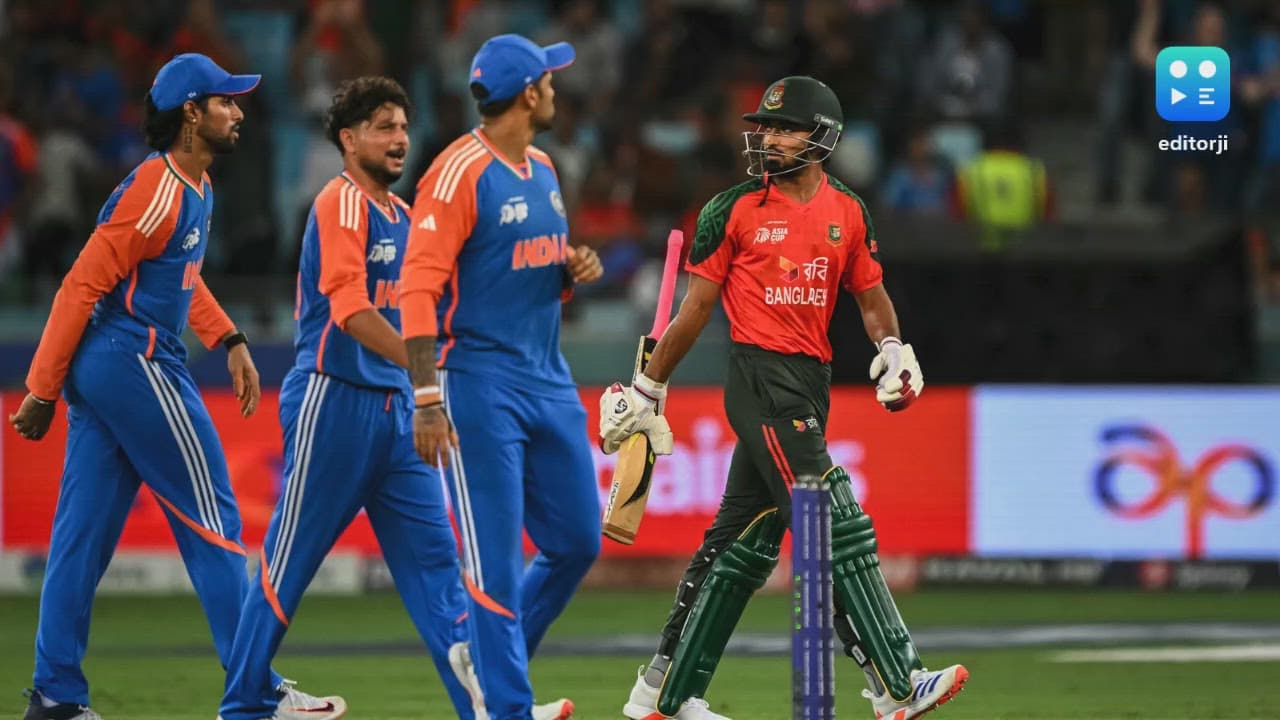
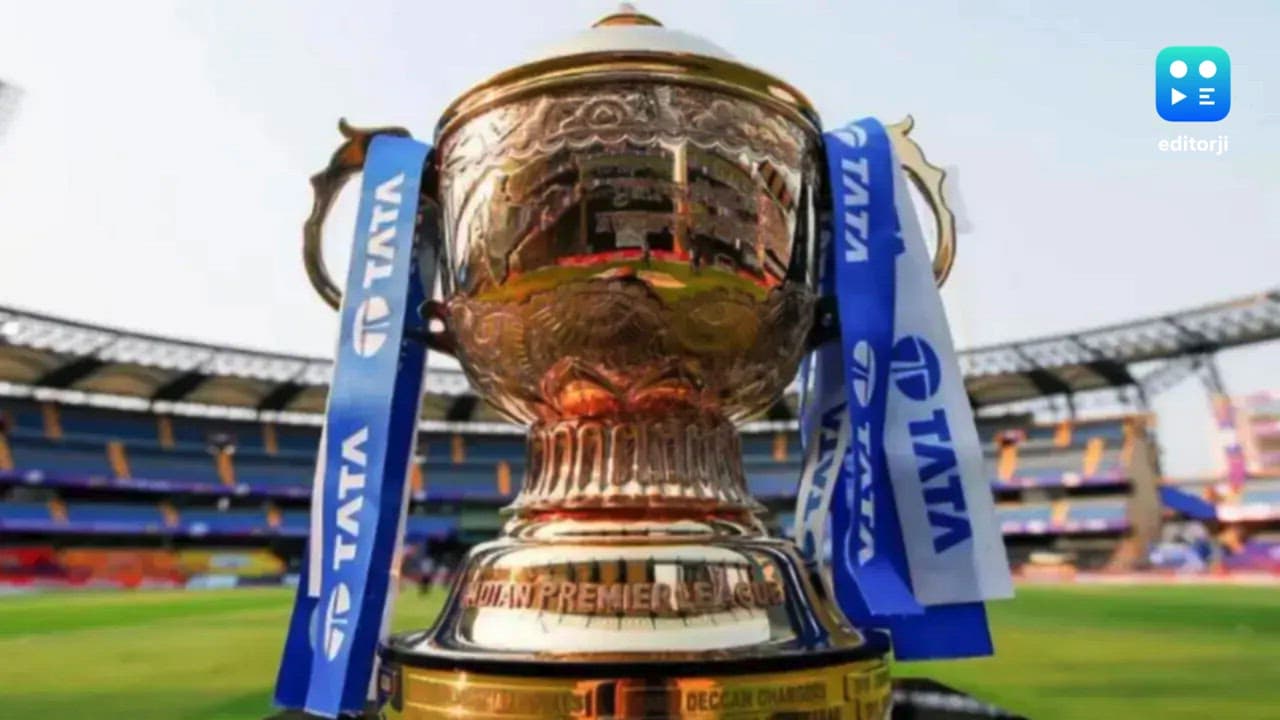
Moreover, all recognized national sports bodies will fall under the ambit of the Right to Information (RTI) Act—a stipulation the BCCI has opposed vehemently, given its non-reliance on government funding. Nonetheless, the ministry has emphasized that BCCI, now part of the Olympic movement following cricket’s inclusion in the 2028 Los Angeles Games, will need to comply once the bill becomes law.
The NSB will be composed of a chairperson and members appointed by the central government, selected based on their "ability, integrity, and standing" and expertise in public administration, sports governance, and related fields. Appointments will be made based on the recommendations of a search-cum-selection committee.
This committee will encompass the Cabinet Secretary or Secretary Sports as chairperson, the Director General of the Sports Authority of India, two seasoned sports administrators, and an eminent sportsperson who is a Dronacharya, Khel Ratna, or Arjuna awardee.
According to the bill's objectives, there is an urgent need for comprehensive legislation to enhance the governance of sports bodies, achieve better sporting results, and minimize disputes involving sports federations. "There is an imperative need to curb factionalism and administrative interventions that adversely affect the organized development of sports in India and its global presentation," the objectives further state.
The NSB will have the authority to de-recognize a national body if it fails to hold elections for its Executive Committee or engages in "gross irregularities in the election procedures." Additionally, the failure to publish annual audited accounts or the misuse of public funds will invite action by the NSB, but they must confer with the relevant global body beforehand.
An adjunct to the governance reforms is the creation of a National Sports Election Panel comprising former members of the Election Commission of India or state bodies to ensure transparent elections for the Executive Committees and Athletes Committees of National Sports Bodies.
On a related note, Mandaviya also introduced the National Anti-Doping (Amendment) Bill-2025. This bill seeks to align with the World Anti-Doping Agency (WADA) by addressing concerns over "government interference" in the operation of the National Anti-Doping Agency (NADA).
Initially passed in 2022, the bill's execution was stalled due to WADA's objections regarding the creation of a National Board for Anti-Doping in Sports with powers to recommend government actions on anti-doping regulations. The proposed Board, originally with the authority to oversee NADA, has been retained in the amendment but stripped of its overseeing or advisory powers.
(Only the headline of this report may have been reworked by Editorji; the rest of the content is auto-generated from a syndicated feed.)