Highlights

  • The study shows reduced effectiveness
  • Discontinuation impacts outcomes
  • Consistent use improves results

Latest news

Rajasthan Witnesses Decline in SC/ST Atrocity Cases by 28.23%

Rajasthan Witnesses Decline in SC/ST Atrocity Cases by 28.23%

Tragic Incident at Kengeri Metro: Man Jumps Before Train

Tragic Incident at Kengeri Metro: Man Jumps Before Train

Protests by DMK Members Halt Lok Sabha, Issue Over Temple Lamp Lighting

Protests by DMK Members Halt Lok Sabha, Issue Over Temple Lamp Lighting

Severe Cold Wave Hits Rajasthan: Fatehpur Freezes at 1.9°C

Severe Cold Wave Hits Rajasthan: Fatehpur Freezes at 1.9°C

Brick Kiln Owner in Thane Charged with Human Trafficking

Brick Kiln Owner in Thane Charged with Human Trafficking

BJP's Ashoka Intensifies Corruption Allegations Against Siddaramaiah

BJP's Ashoka Intensifies Corruption Allegations Against Siddaramaiah

IRBn Head Constable Arrested for Heroin Possession in Itanagar

IRBn Head Constable Arrested for Heroin Possession in Itanagar

Mythri Movie Makers Settle Dispute with Illaiyaraja for Rs 50 Lakh

Mythri Movie Makers Settle Dispute with Illaiyaraja for Rs 50 Lakh

Anti-obesity injections are less effective in real-world compared to trials, says study

Study shows anti-obesity injections are less effective in real-world settings. Factors include high discontinuation rates and lower dosages. Continuous treatment yields better weight loss outcomes.

Anti-obesity injections are less effective in real-world compared to trials, says study

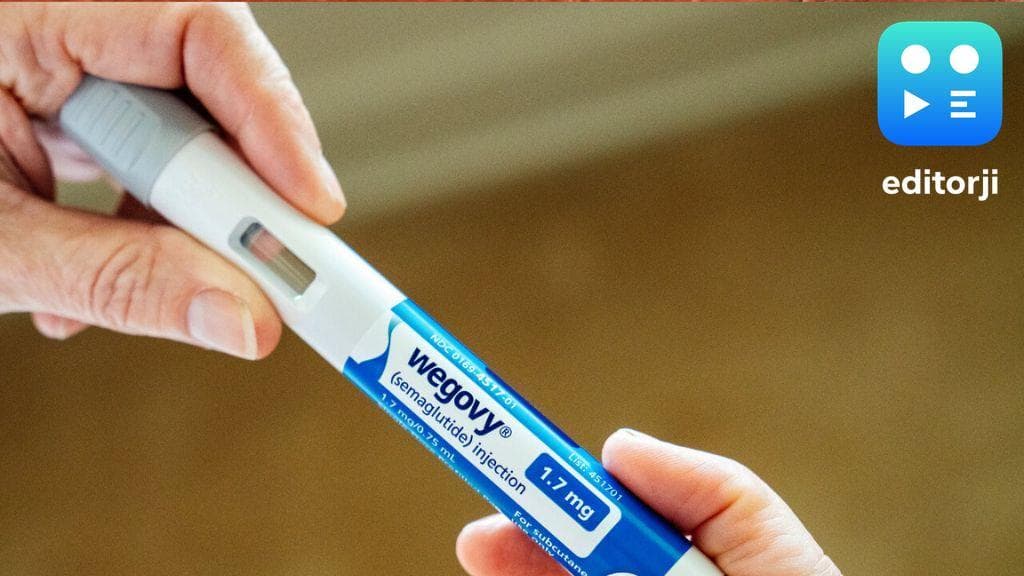
Anti-obesity injections may have smaller effects on weight loss in a real-world context compared to clinical trials, as patients tend to discontinue treatment or use a lower maintenance dose, a study in US patients has found.

Semaglutide, sold under the brand names Wegovy and Ozempic, and tirzepatide (Zepbound and Mounjaro) are prescribed for weight management and treating type 2 diabetes by helping patients regulate blood sugar.

The study, published in the Obesity Journal, examined the effects of anti-obesity injectables on weight reduction and blood sugar regulation (glycaemic control) in a real-world setting.

"Our study shows that patients treated for obesity with semaglutide or tirzepatide lost less weight on average in a regular clinical setting compared to what is observed in randomised clinical trials," lead author Dr Hamlet Gasoyan, a researcher with the Cleveland Clinic, US, said.

"According to our data, this could be explained by higher rates of discontinuation and lower maintenance dosages used in clinical practice, compared to randomised clinical trial settings," Dr Gasoyan said.

The researchers examined 7,881 adult patients with an average body mass index (BMI) of over 39 -- classified as 'severe obesity'. Of these, 1,320 had pre-diabetes at the start of the study, which meant they were at a higher risk of developing type 2 diabetes.

The participants were started on obesity treatments between 2021 and 2023 with semaglutide or tirzepatide injectables.

Following up on the participants a year after starting with the treatment, the average weight loss among those who discontinued injections within three months was 3.6 per cent, compared to 6.8 per cent in those who discontinued within 3-12 months.

"Mean percentage weight reduction at one year was 8.7 per cent, and it was 3.6 per cent with early discontinuation (three months), 6.8 per cent with late discontinuation (3-12 months) and 11.9 per cent with no discontinuation," the authors wrote.

Furthermore, those on a high-maintenance dosage -- the amount required to sustain the effects of the medication -- lost 13.7 per cent of their body weight with semaglutide and 18 per cent with tirzepatide, the researchers said.

Among the participants having pre-diabetes, 33 per cent of those who stopped taking injections within three months experienced normal blood sugar levels, compared to 41 per cent who discontinued within 3-12 months, and 67.9 per cent of those who did not discontinue treatment.

"The average weight reduction in this cohort was lower than that observed in the main phase 3 (clinical) trials, likely because of higher rates of discontinuation and lower maintenance dosages," the team wrote.

They identified that those not discontinuing medications or taking a high-maintenance dose were among the factors related to more chances of losing at least 10 per cent of one's body weight in a year.

Overall, over a fifth of the study group was found to have discontinued their medications within three months of the study's start, while 32 per cent discontinued within 3-12 months.

Reasons for discontinuing treatment included costs and insurance-related issues, side effects and medication shortages, the researchers said.

ADVERTISEMENT

Up Next

Anti-obesity injections are less effective in real-world compared to trials, says study

Anti-obesity injections are less effective in real-world compared to trials, says study

India's health survey data reveals 13% children born prematurely, 17% with low birth weight

India's health survey data reveals 13% children born prematurely, 17% with low birth weight

Anxiety in Meghaninagar After Tragic Plane Crash

Anxiety in Meghaninagar After Tragic Plane Crash

Rahul Gandhi criticizes Speaker Om Birla for stifling opposition voices in Lok Sabha

Rahul Gandhi criticizes Speaker Om Birla for stifling opposition voices in Lok Sabha

Gurugram Teen Blackmailed: Rs 80 Lakh cybercrime unveiled

Gurugram Teen Blackmailed: Rs 80 Lakh cybercrime unveiled

Last-Minute Valentine's gifts to make hearts flutter

Last-Minute Valentine's gifts to make hearts flutter

ADVERTISEMENT

editorji-whatsApp

More videos

Discover the observance and significance of Shab-e-Barat 2025

Discover the observance and significance of Shab-e-Barat 2025

The magic of Solo Travel: Freedom, adventure, and unexpected friendships

The magic of Solo Travel: Freedom, adventure, and unexpected friendships

Embracing singlehood: The fun side of anti-Valentine’s Week

Embracing singlehood: The fun side of anti-Valentine’s Week

Economic Survey 2024-25: Long work hours hurt mental well-being, productivity

Economic Survey 2024-25: Long work hours hurt mental well-being, productivity

Economic Survey 2025: Prioritizing mental health and gender inclusivity to boost workforce productivity

Economic Survey 2025: Prioritizing mental health and gender inclusivity to boost workforce productivity

Explainer | Guillain-Barre Syndrome: What are the symptoms and how to prevent it

Explainer | Guillain-Barre Syndrome: What are the symptoms and how to prevent it

'I want to talk, but is there anyone to listen?' The growing crisis of loneliness and depression

'I want to talk, but is there anyone to listen?' The growing crisis of loneliness and depression

UN report highlights risks of long work hours as L&T chairman endorses 90-hour week

UN report highlights risks of long work hours as L&T chairman endorses 90-hour week

Plant-based meat alternatives linked to increased risk of depression in vegetarians, study finds

Plant-based meat alternatives linked to increased risk of depression in vegetarians, study finds

India’s Butter Chicken spices up global food rankings - check full list

India’s Butter Chicken spices up global food rankings - check full list

Editorji Technologies Pvt. Ltd. © 2022 All Rights Reserved.