


Highlights
- Al-Falah hostel room used to plan Red Fort blast
- Radicalised doctors linked to Jaish module held
- Over 2,000 kg explosives seized from Faridabad
Latest news

Comic Con Delhi 2025: Sony PlayStation Leads the Floor
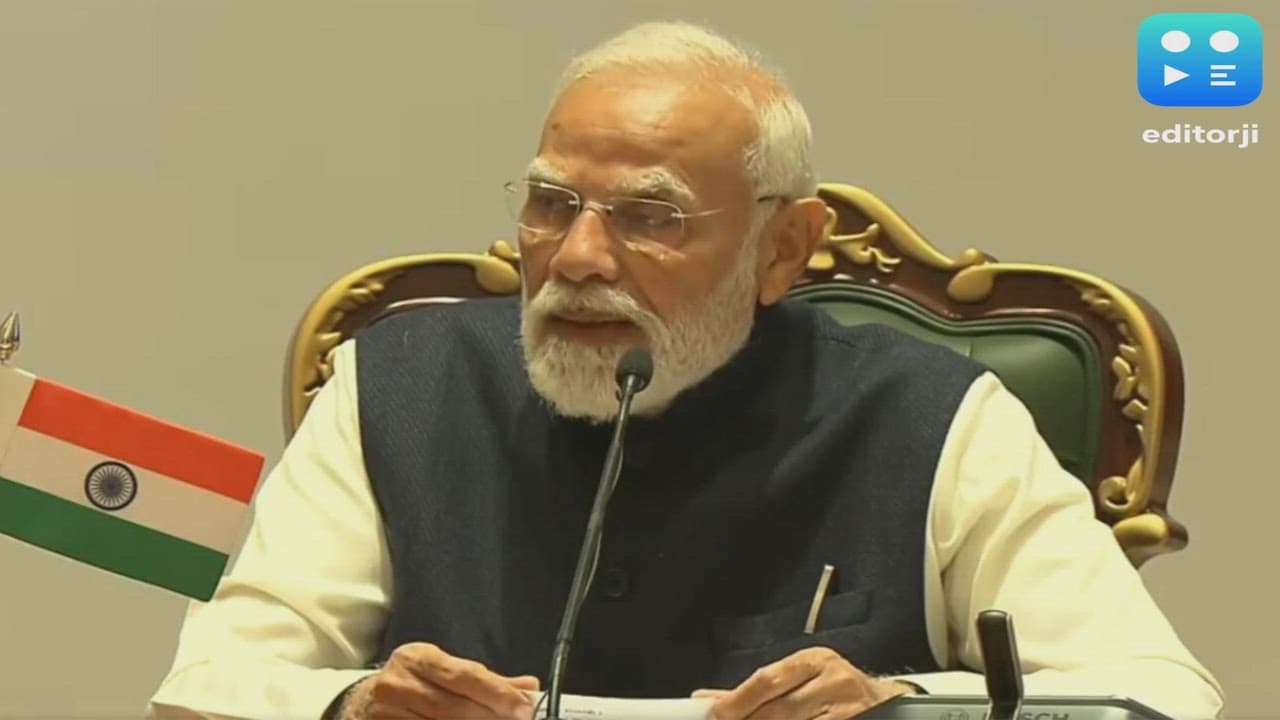
India, Russia are embarking on new journey of innovation, co-production and co-creation: PM Modi
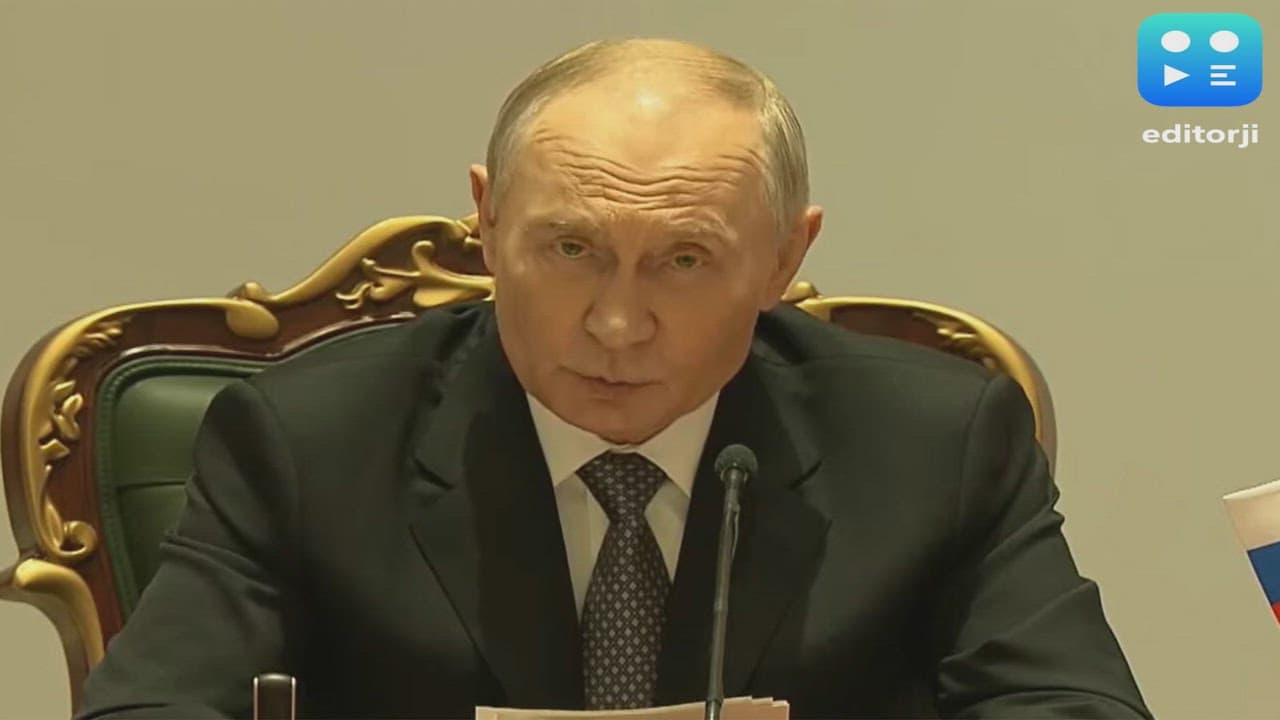
India is conducting independent and sovereign policy under leadership of PM Modi, achieving very good results: President Putin
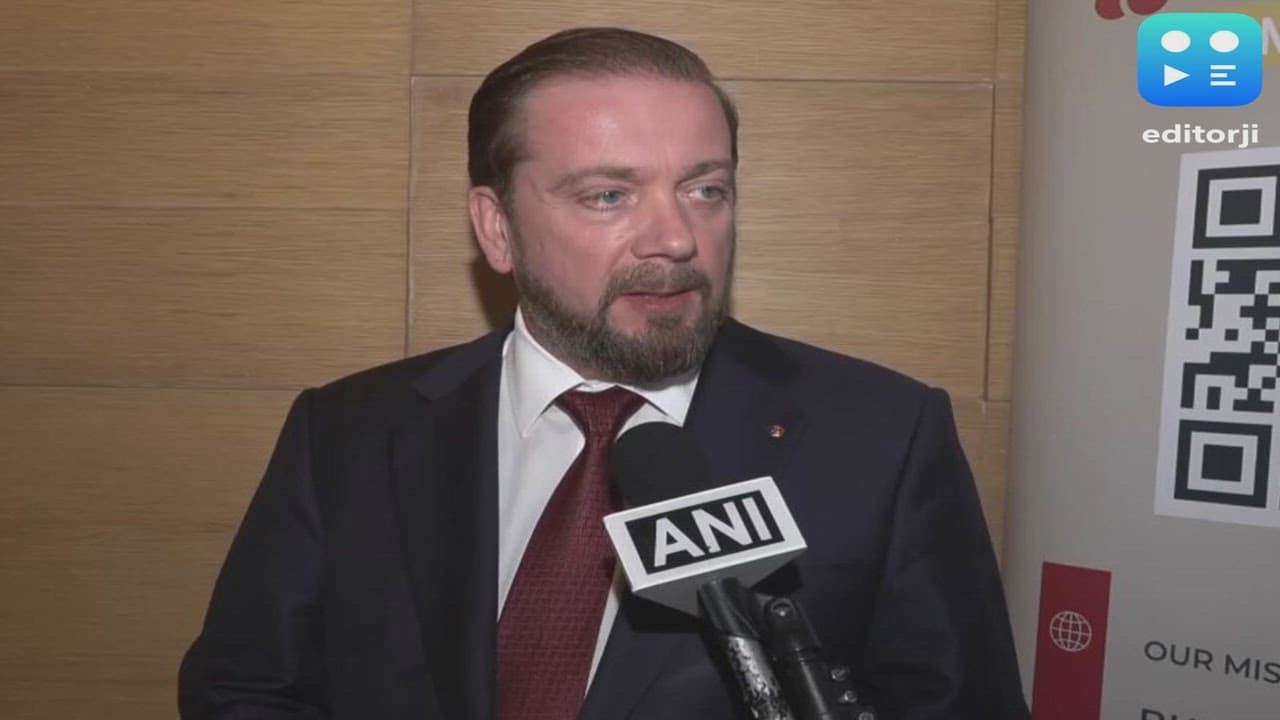
Indian businesses can replace void left by Western companies in Russia, says Roscongress CEO Stuglev

Regulator DGCA eases flight duty norms for pilots amid IndiGo crisis
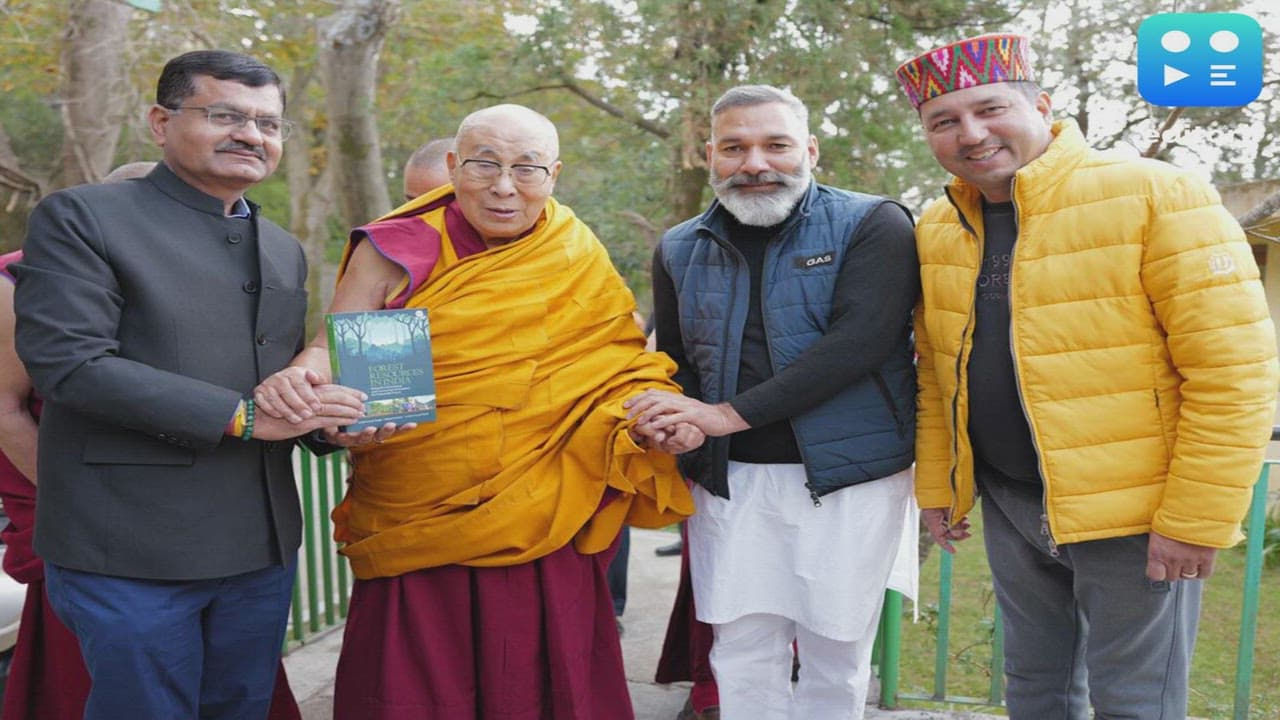
Dalai Lama launches 'Forest Resources in India' focused on climate, conservation and community

RBI raises FY26 GDP growth projection to 7.3 pc
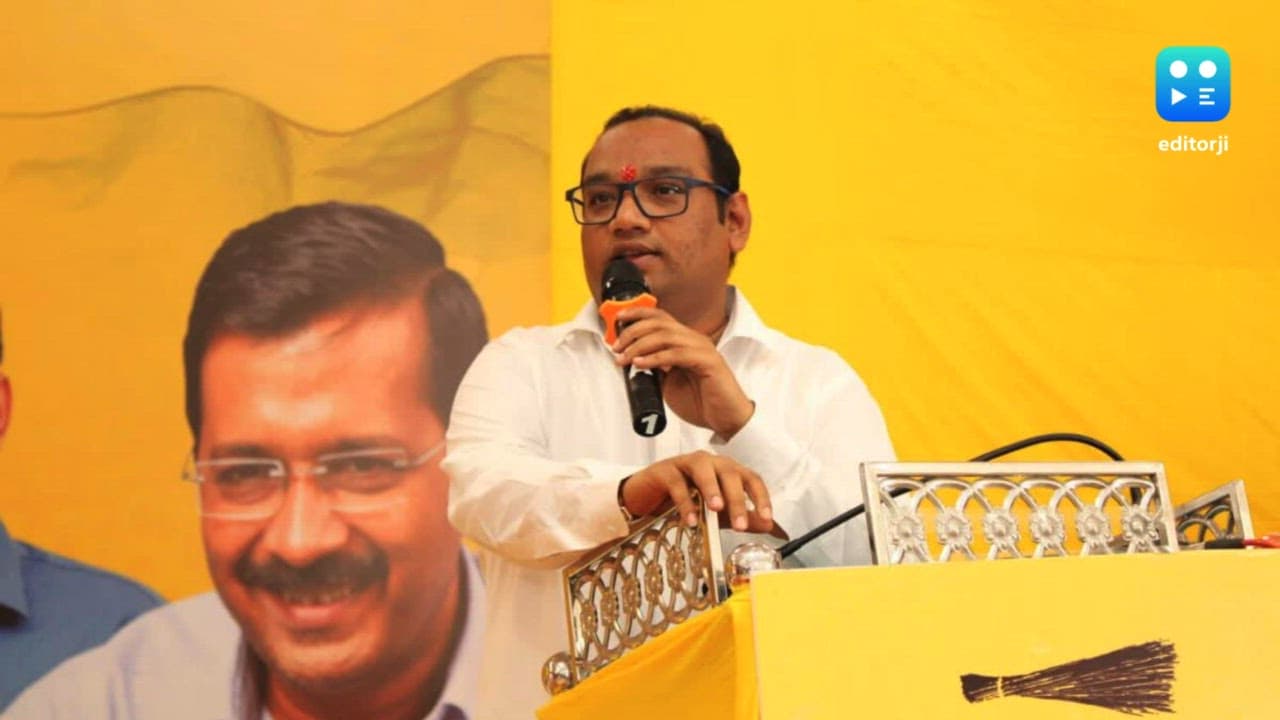
AAP to hold farmers’ Mahapanchayat in Gujarat's Amreli on December 7 amid crop loss crisis
Room 13 in building 17 at Al-Falah University emerges as nerve centre of Red Fort blast conspiracy


Up Next
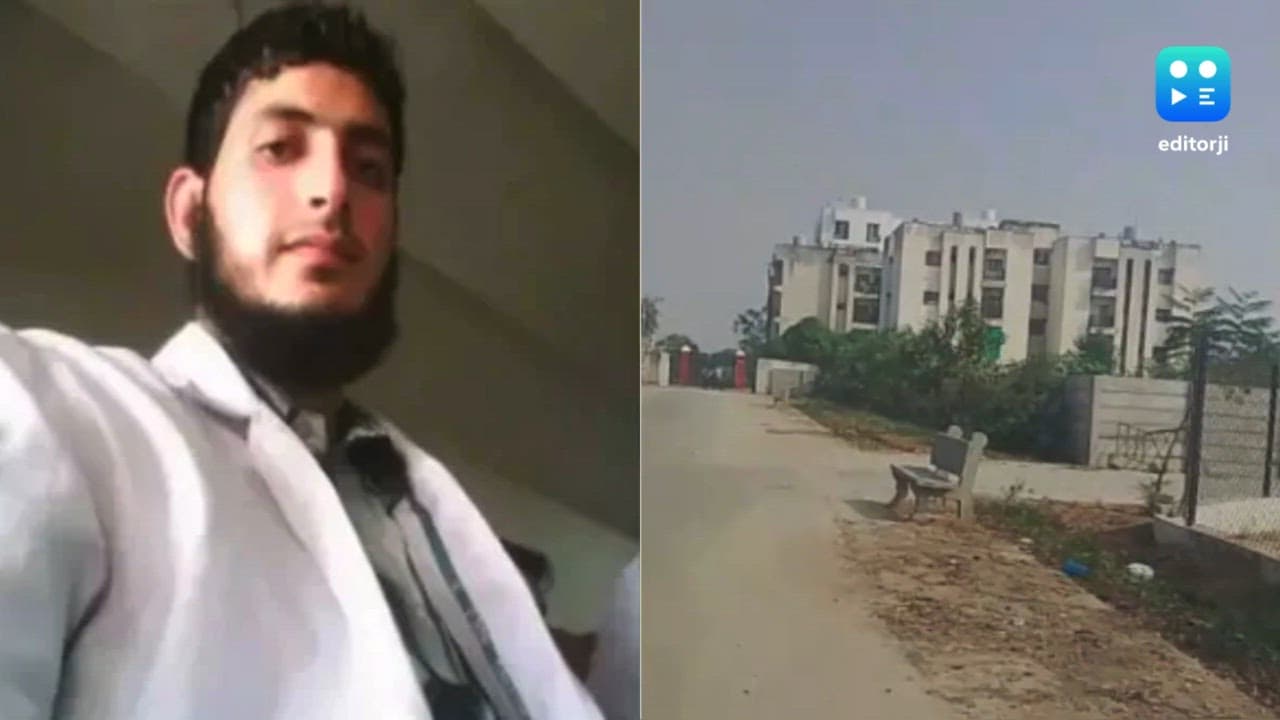
Room 13 in building 17 at Al-Falah University emerges as nerve centre of Red Fort blast conspiracy
AAP to hold farmers’ Mahapanchayat in Gujarat's Amreli on December 7 amid crop loss crisis
Regulator DGCA eases flight duty norms for pilots amid IndiGo crisis

India not neutral, it is on side of peace: PM Modi to Putin on Ukraine conflict

Russian President Putin accorded ceremonial welcome at Rashtrapati Bhavan

IndiGo disruptions worsen; over 400 flights cancelled, passengers stranded for long hours

More videos
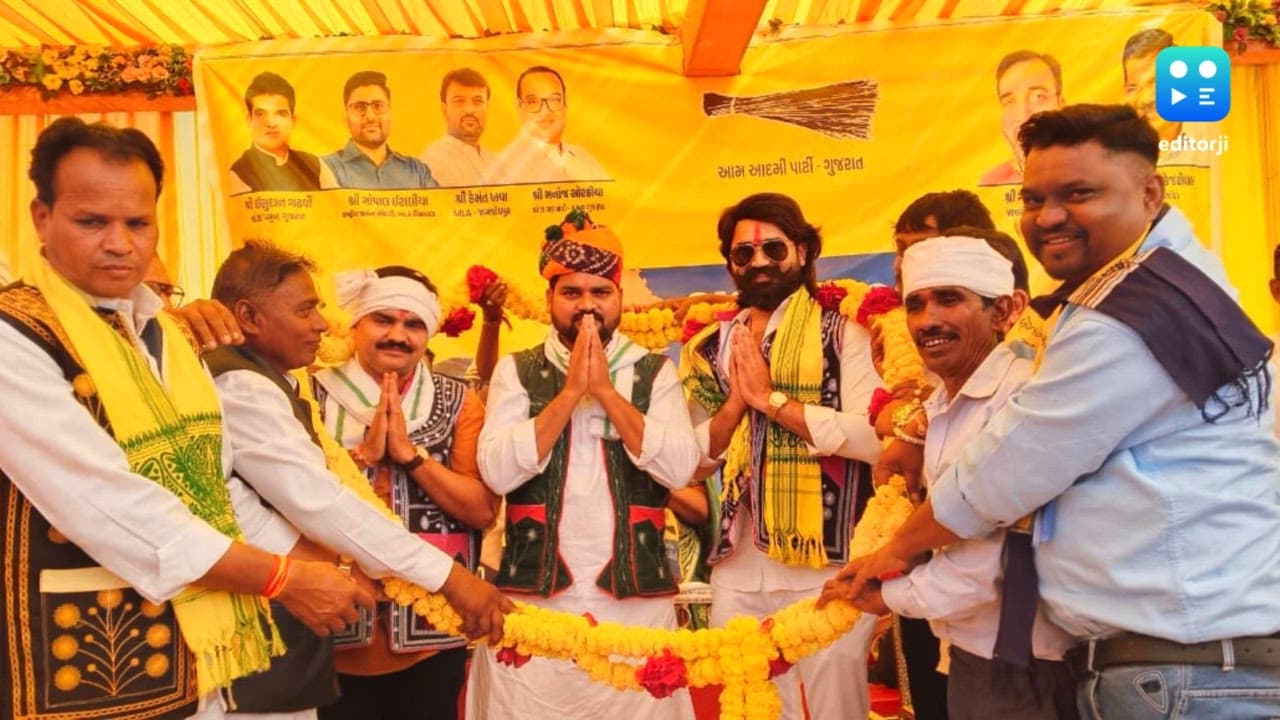
Over 500 BJP and Congress leaders join AAP at Gujarat Jodo JANSABHA in Morva Hadaf
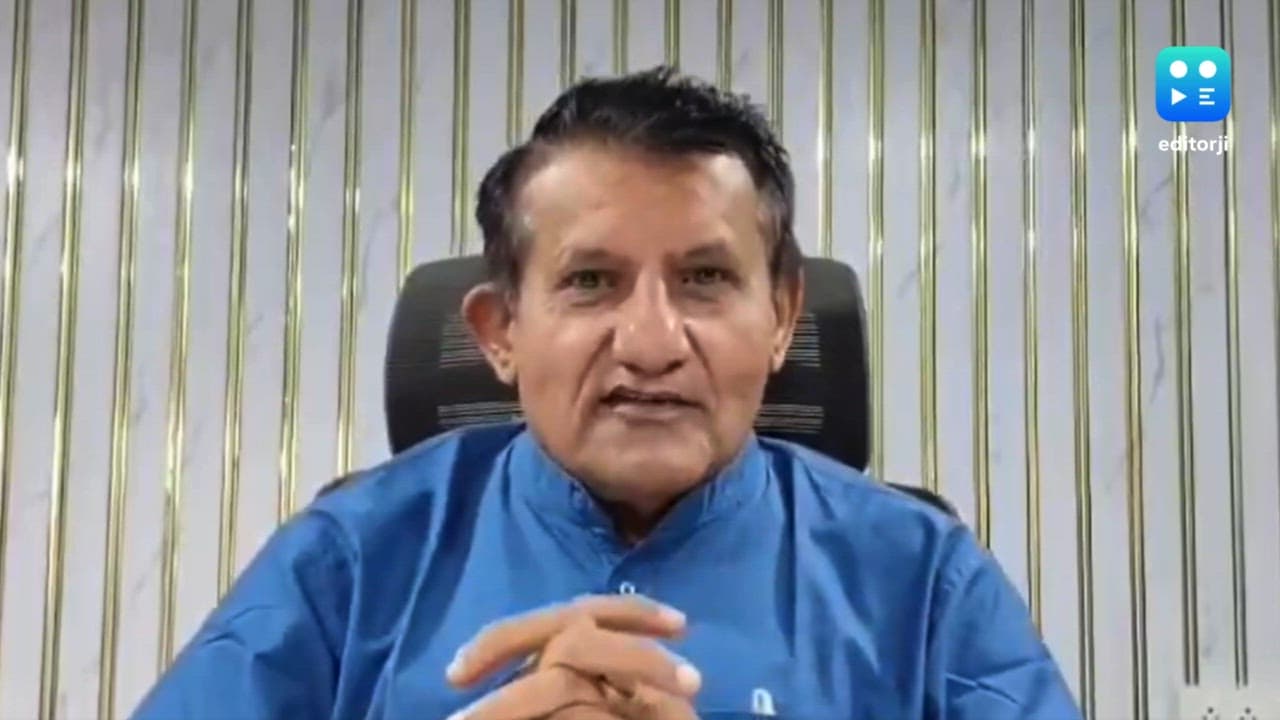
Gujarat AAP alleges irregularities in farmer relief package distribution
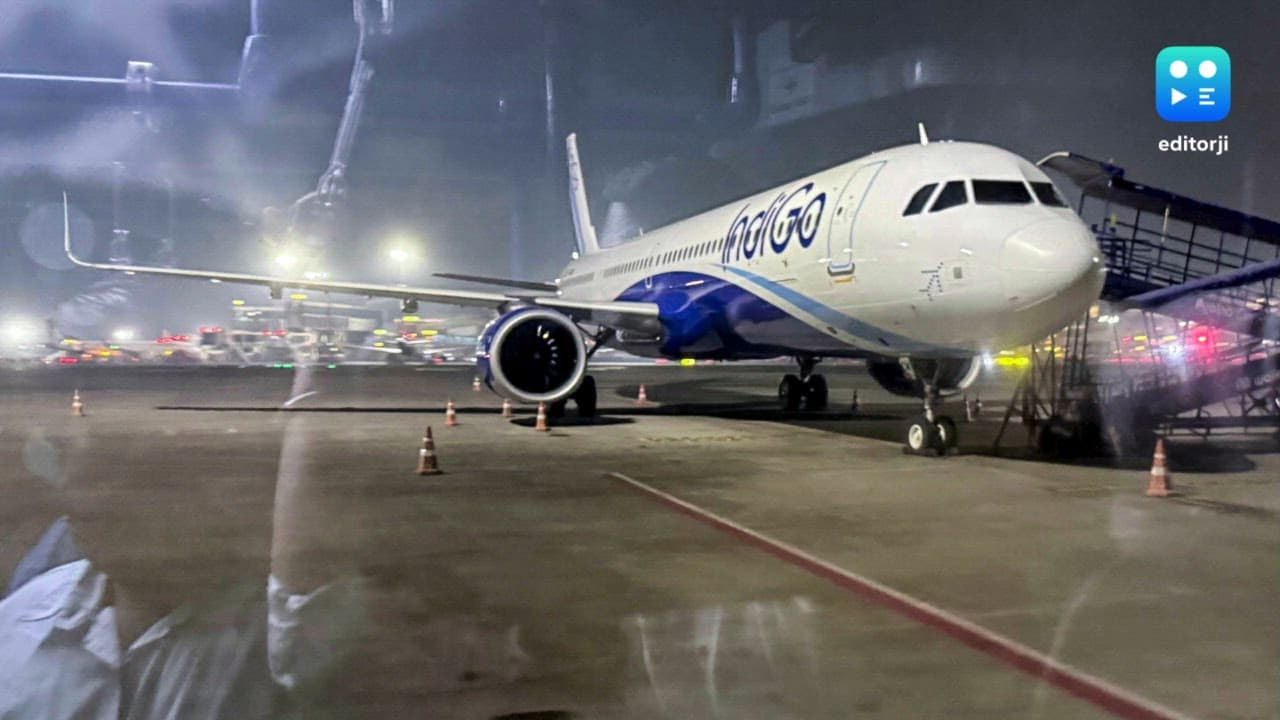
IndiGo cancels all departing flights from Delhi airport till Friday midnight
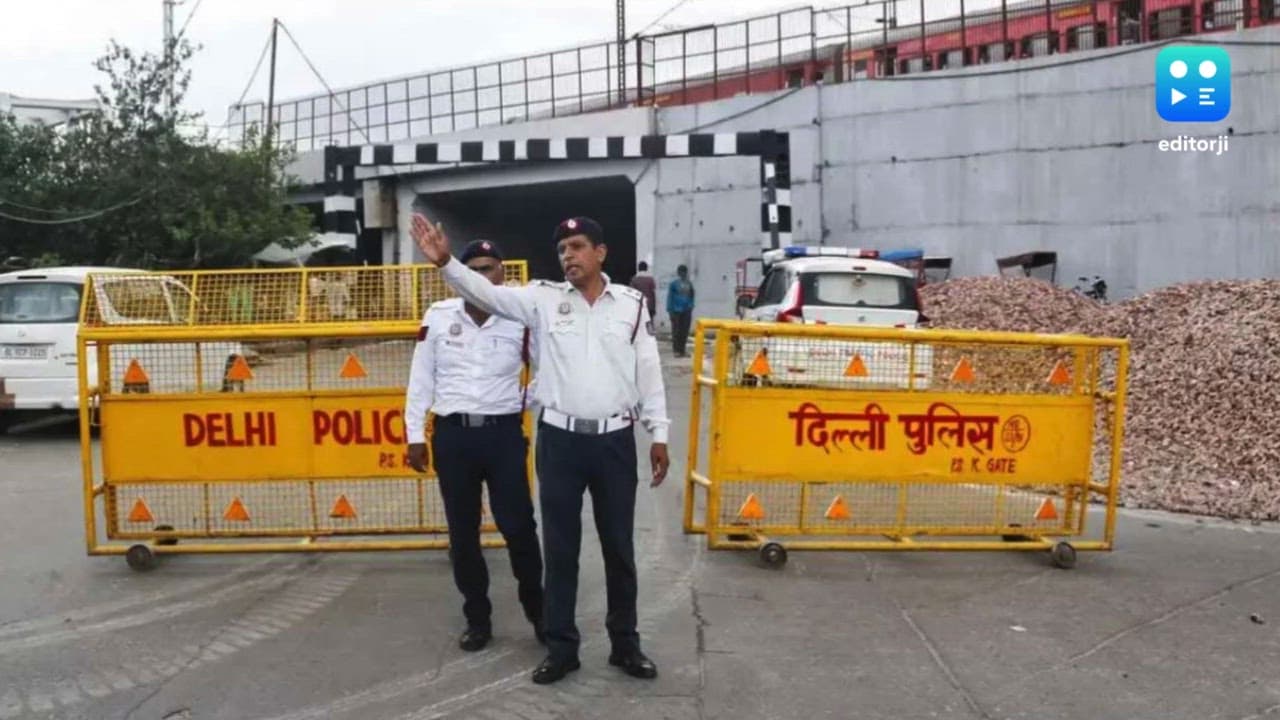
Major traffic restrictions in Delhi amid Putin's visit
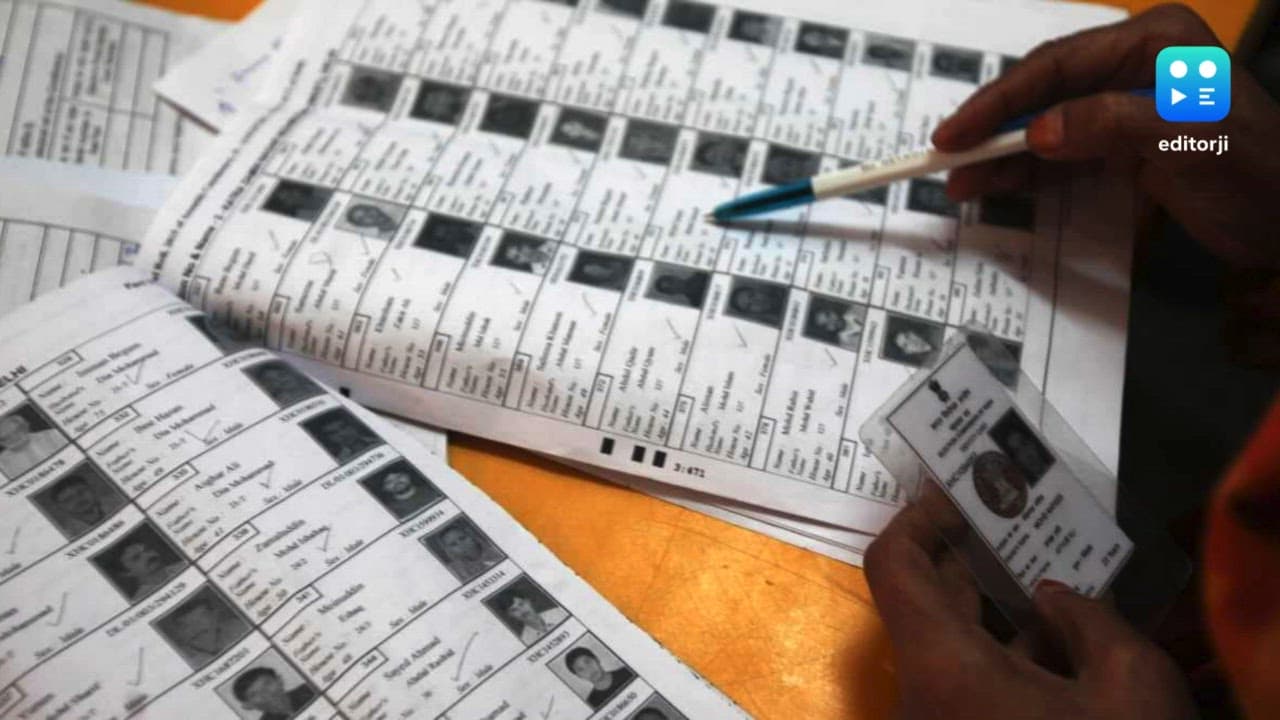
SIR in Gujarat: More than 17 lakh deceased voters found on electoral rolls
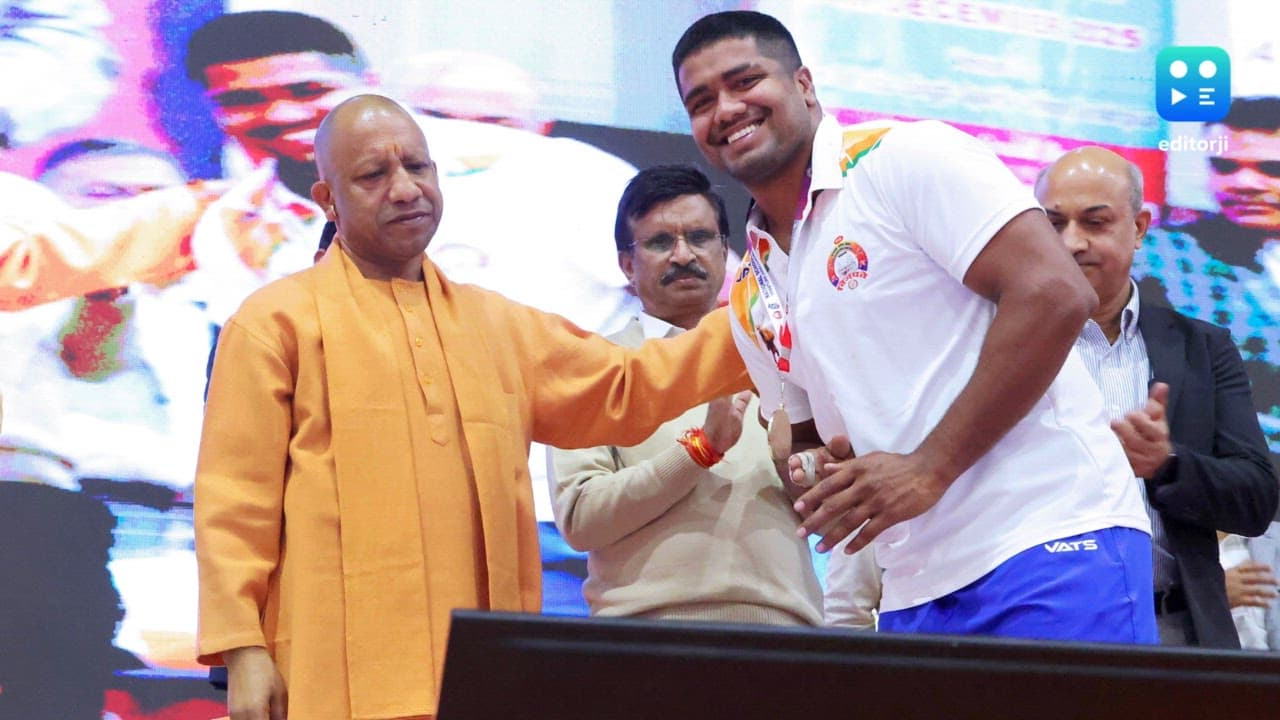
Indian athletes boosting nation's pride globally: UP CM Adityanath
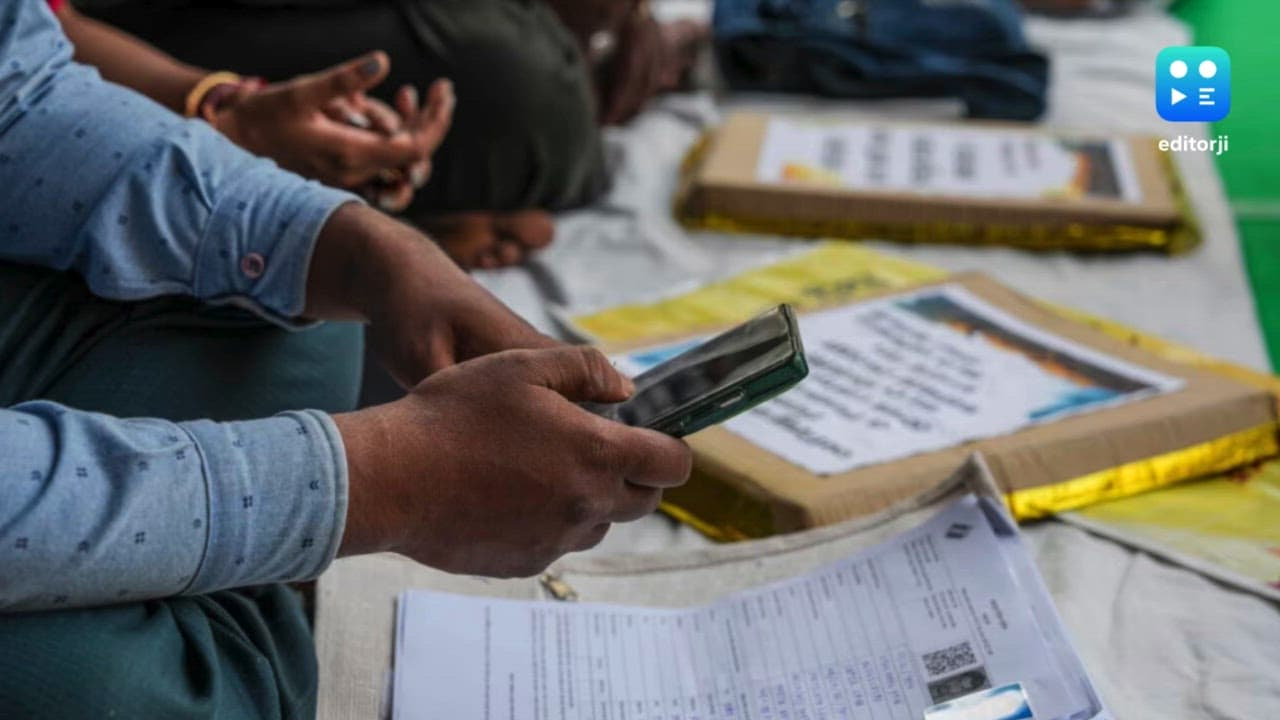
Uttarakhand begins pre-revision exercise to verify voters from 2003 rolls
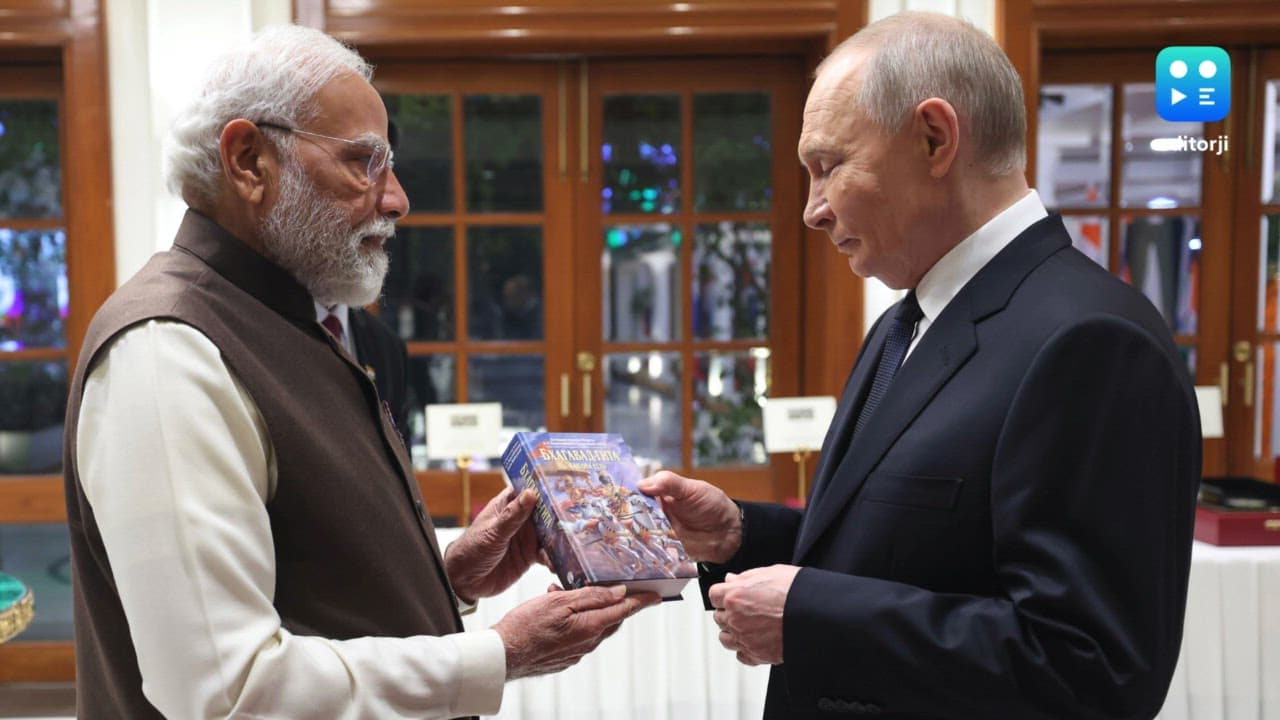
PM Modi presents copy of Gita in Russian to Putin
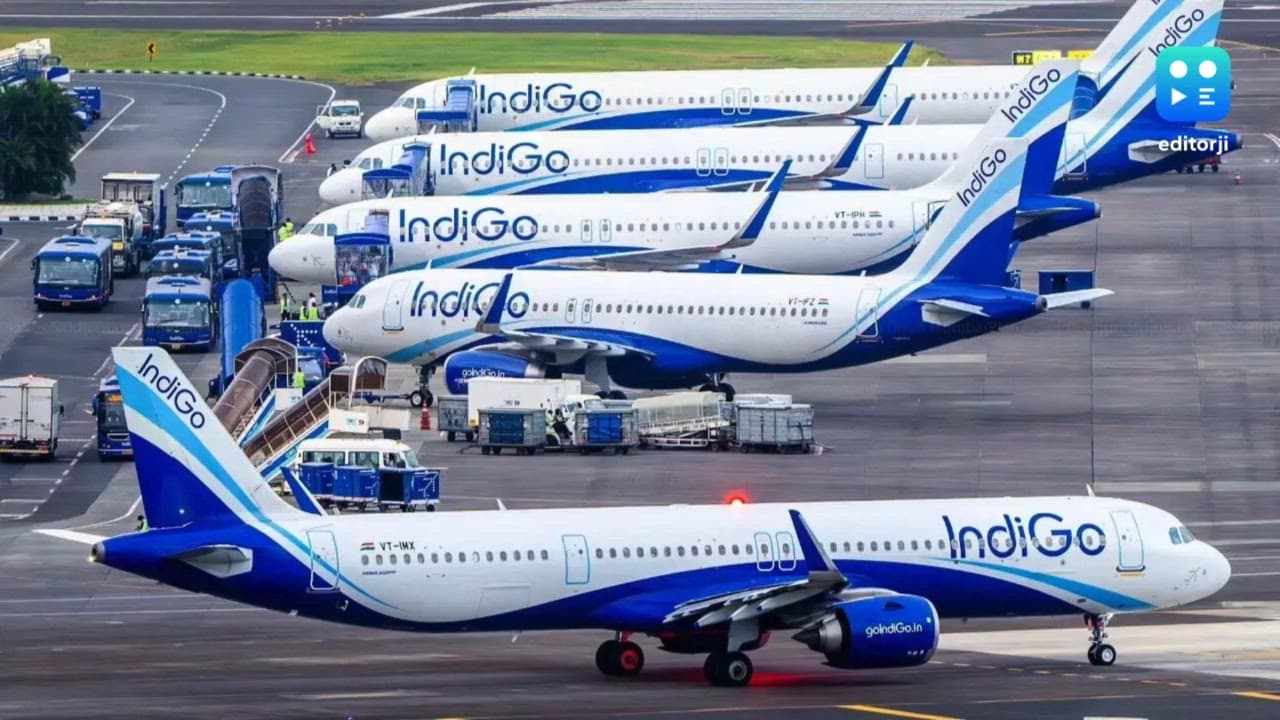
IndiGo says ops to be fully normal by Feb 10, seeks FDTL relaxations; cancels over 550 flights
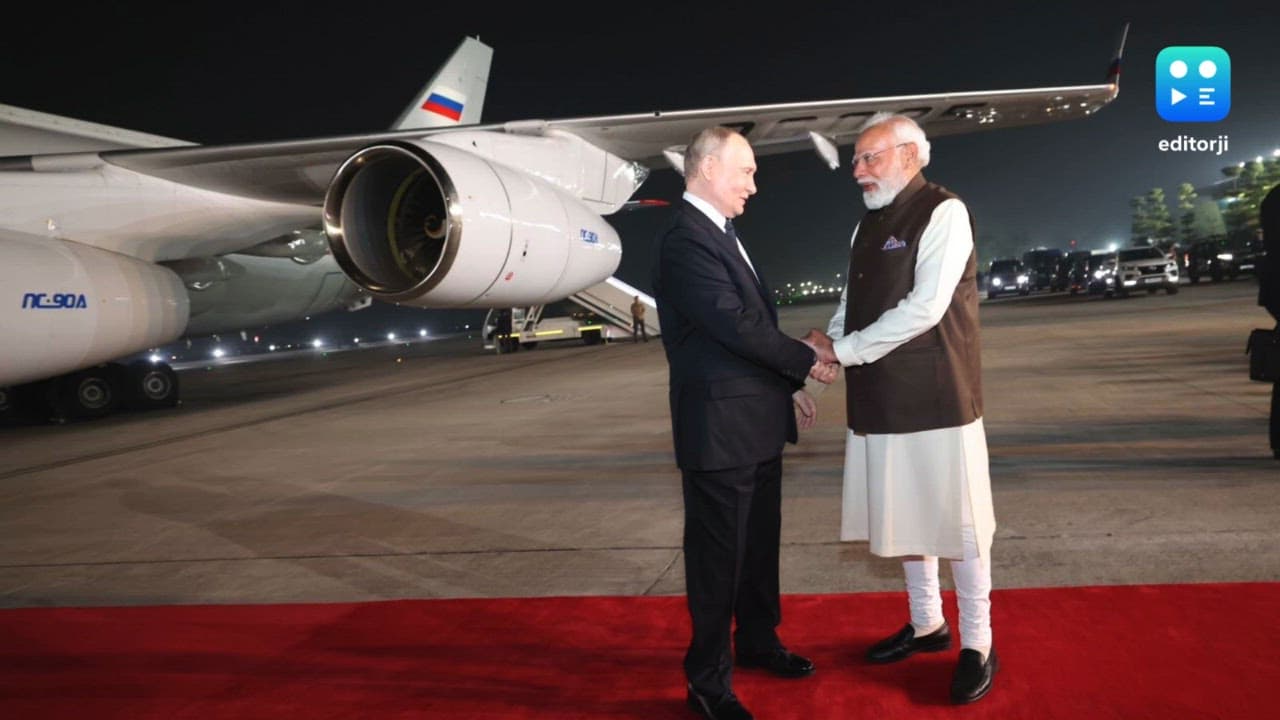
PM Modi warmly welcomes Putin at Delhi airport; hosts private dinner, reflecting time-tested friendship