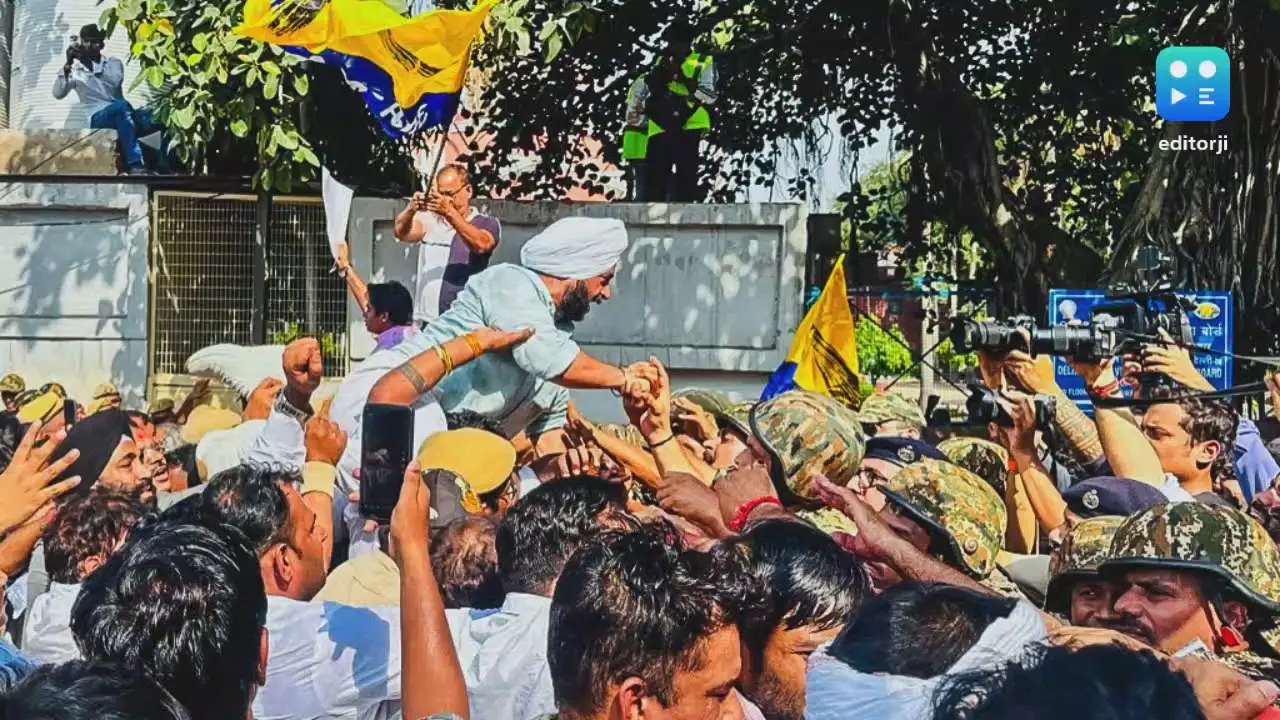
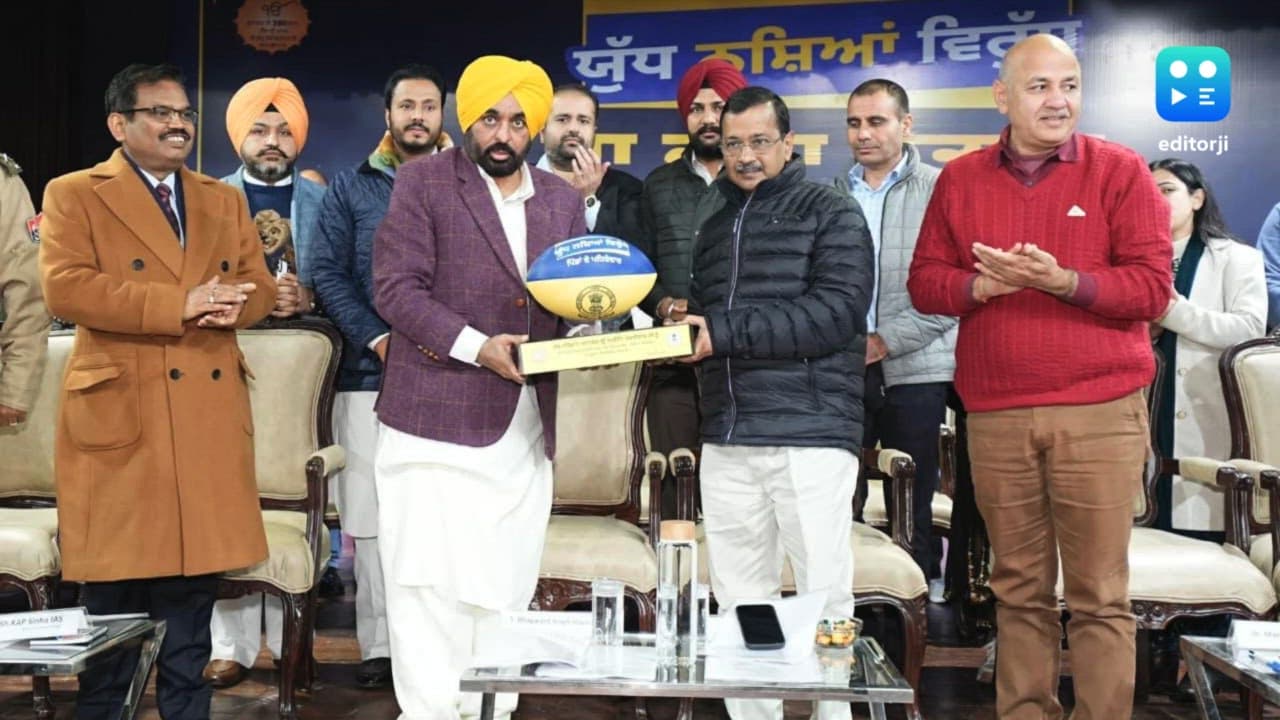
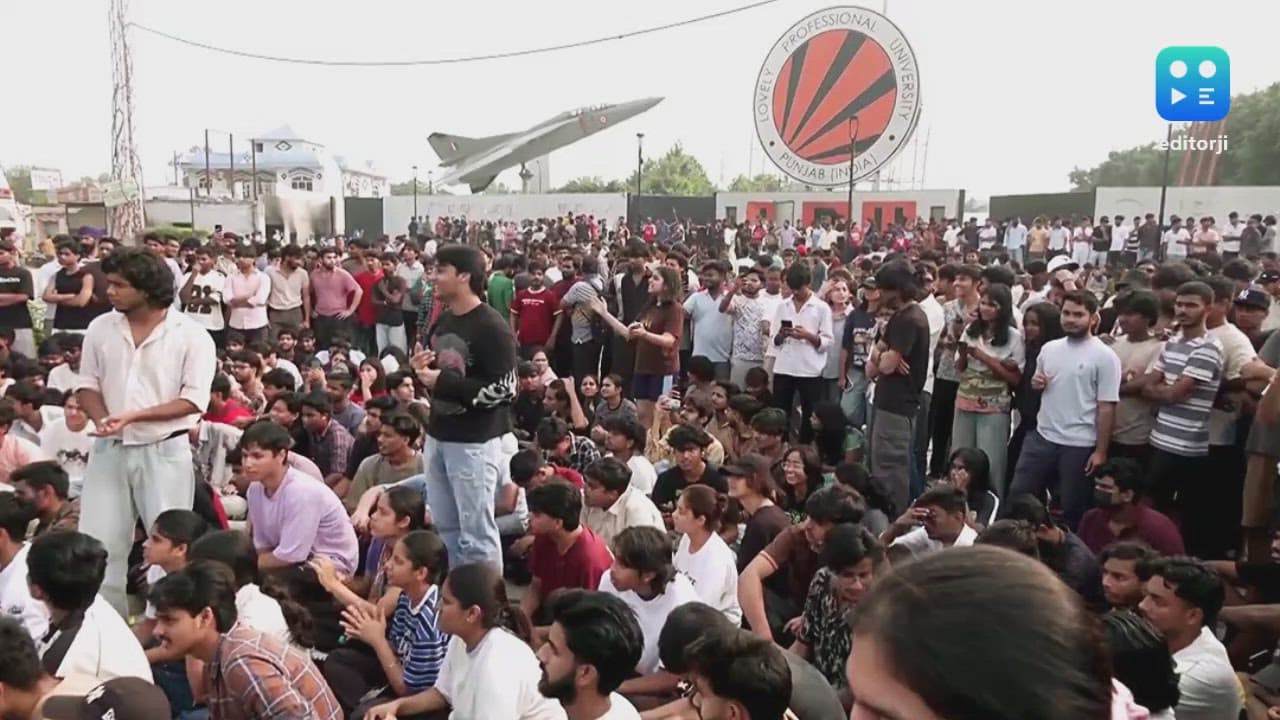
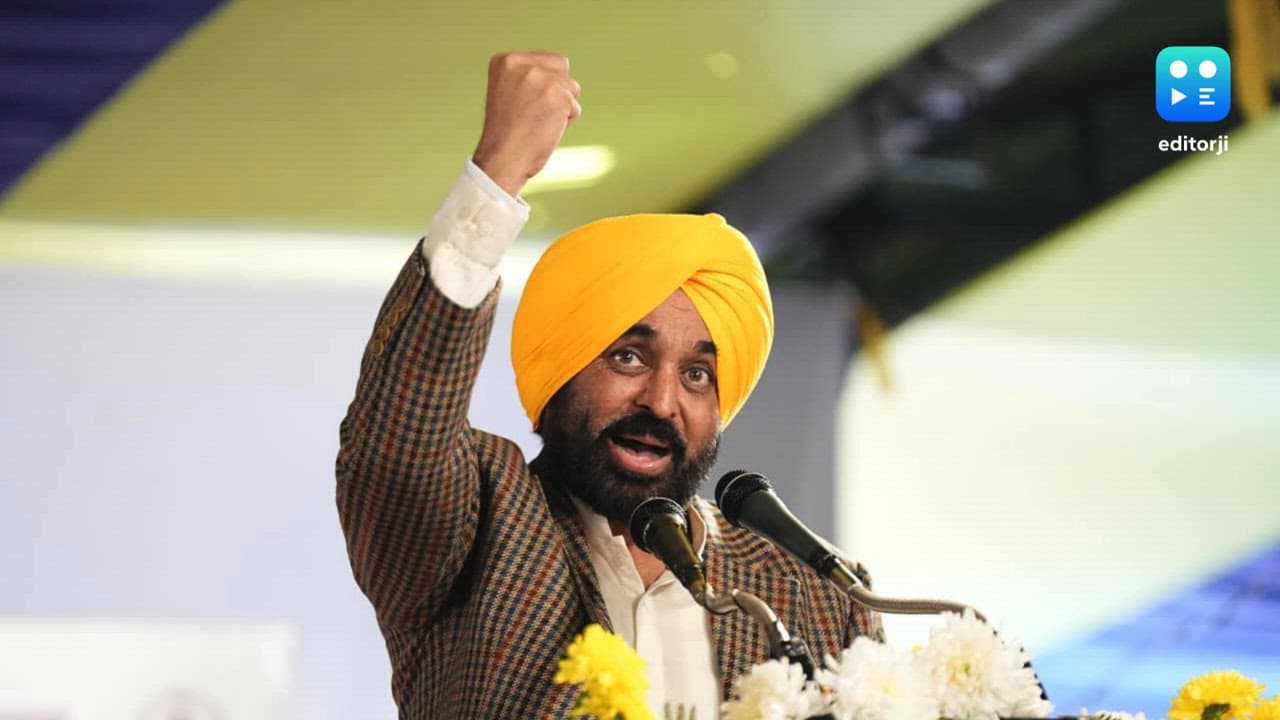
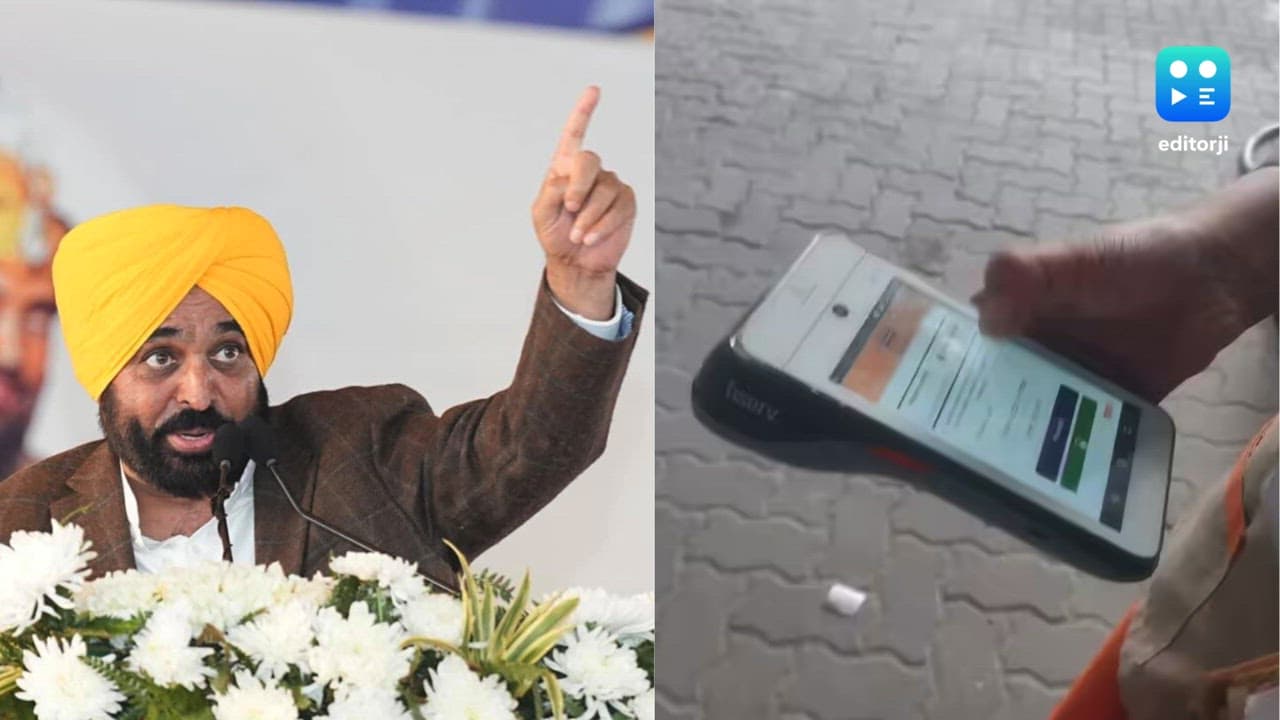
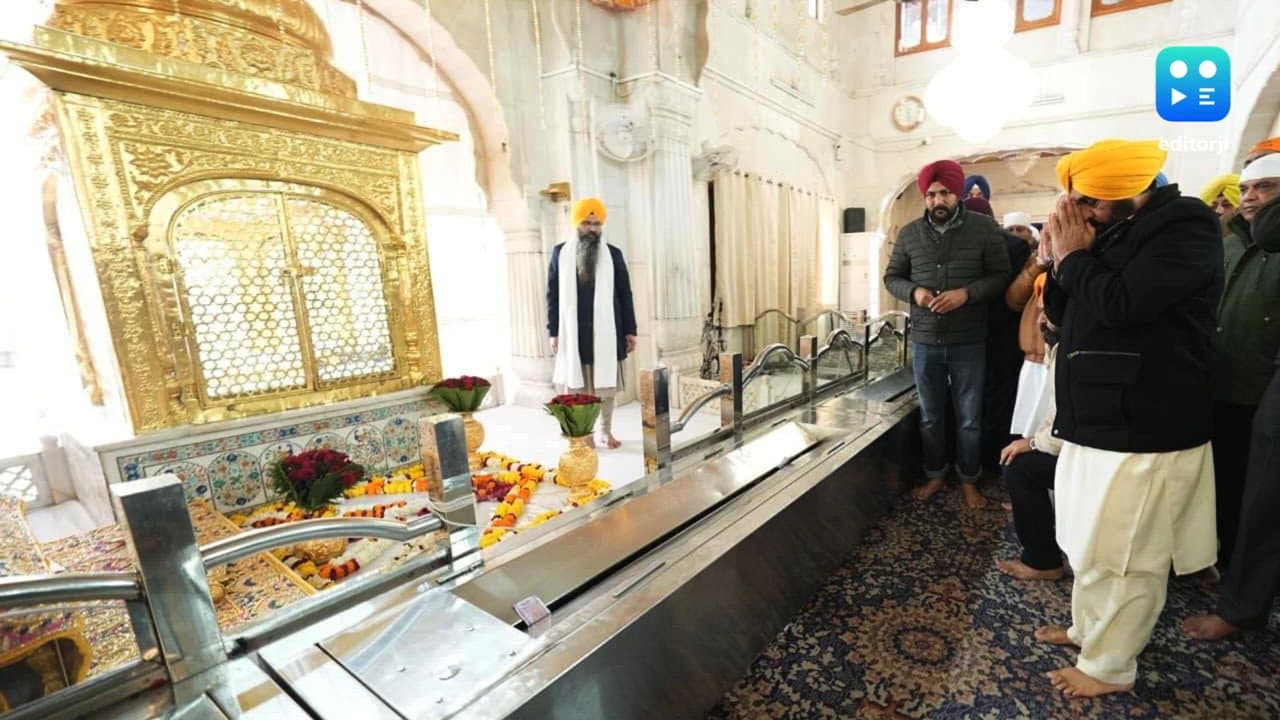
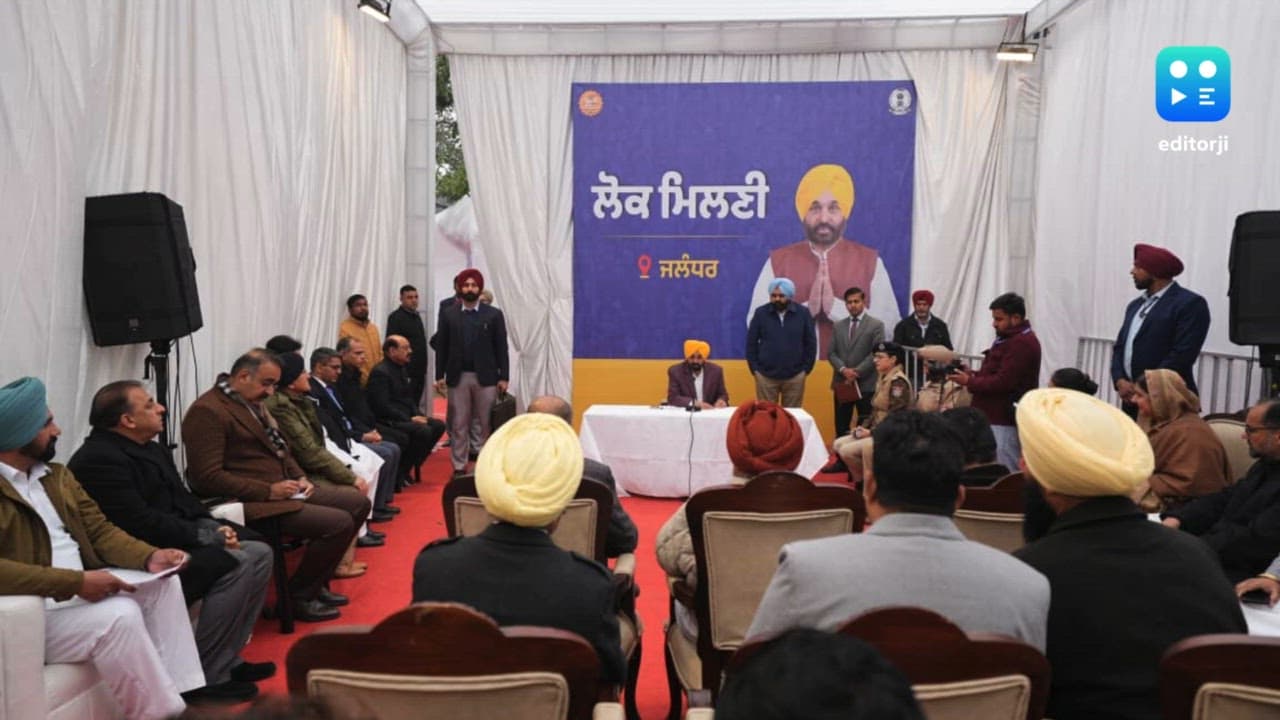
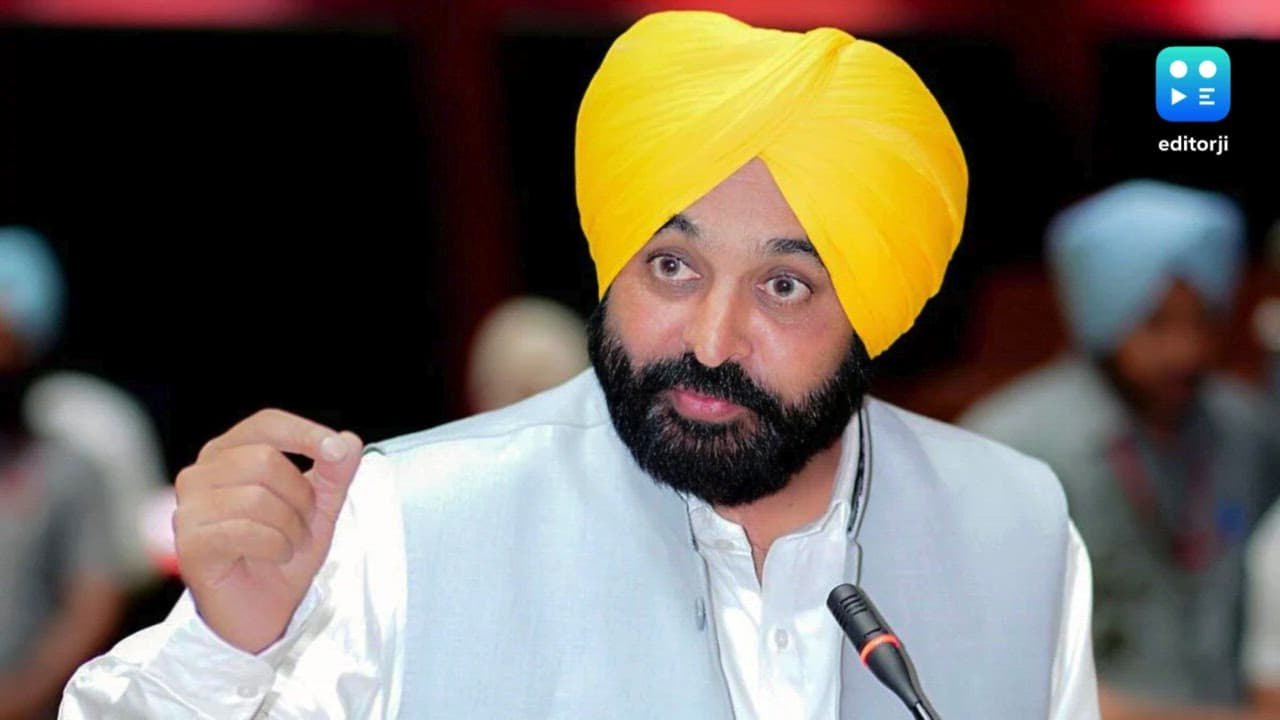
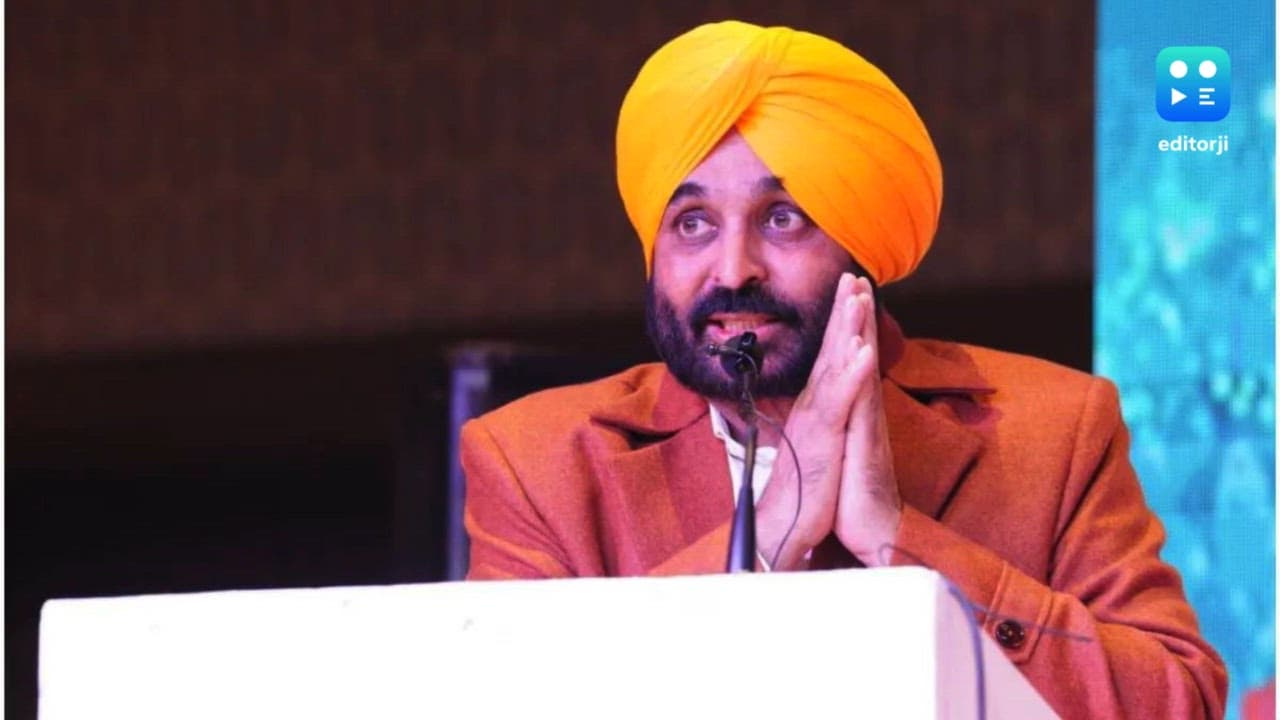
Stepping up its fight against drugs, Aam Aadmi Party (AAP) National Convenor Arvind Kejriwal and Punjab Chief Minister Bhagwant Singh Mann on Wednesday launched the second phase of Yudh Nashean Virudh at Lovely Professional University, Phagwara.
The initiative expands the state’s ongoing crackdown into a broad-based people’s movement aimed at dismantling drug networks across Punjab.
Addressing a large gathering, Arvind Kejriwal cited concrete outcomes from the first phase, including high conviction rates, large-scale arrests, and growing public participation. He said Phase II would consolidate these gains to decisively eradicate drug trafficking in the state.
Phase II Launch: AAP Chief Highlights Previous Success
Kejriwal said, “After the remarkable success of Phase One of ‘Yudh Nashean Virudh’, Phase Two is beginning today. Phase One was launched on 1 March 2025, about ten months ago, and the honesty, hard work and determination with which it was implemented has never been seen before, not just in Punjab but in any state across the country, in a fight against drugs.”
He recalled the situation before the AAP government: “In Punjab, before us, when the Shiromani Akali Dal (SAD) government was in power, drugs were pushed into every lane and every household. It was during that time that Punjab was so deeply trapped in drugs that the film ‘Udta Punjab’ was made.
Punjab saw drugs entering homes, and many senior personalities were directly involved in selling drugs. After that, Captain Amarinder took an oath on the Gutka Sahib and said he would eliminate drugs in thirty or sixty days. His government lasted five years and nothing was done. Those were false oaths. After that, our government came.”
He added, “We took some time because proper preparation was needed, but after 1 March last year, the intensity and courage with which we began action against drugs was unprecedented. Many warned us that traffickers are extremely dangerous, but we said no, we have come after making a promise to the people that we will make Punjab drug free and secure a good future for our children.”
Enforcement and Arrests: Breaking Drug Networks
Kejriwal provided detailed figures to illustrate the campaign’s scale: “In the last ten months, 28,000 cases have been filed against drug traffickers. In 88 percent of these cases, the accused were sent to jail. Out of every 100 cases, jail was ordered in 88 cases. Among the 28,000 cases that have reached the courts so far, 88 percent have resulted in imprisonment.”
He further stated, “Around 42,000 smugglers have been arrested, including 350 major traffickers. Their huge mansions, buildings and offices were demolished for the first time by a government. People began to see that a government had truly come to fight drugs.”
Kejriwal recounted, “The biggest trafficker in Punjab, whose name made people tremble, was arrested and sent to jail by this government. No one earlier had the courage even to take his name. The police, administration, and even senior leaders were afraid, but the AAP government had the courage to put him behind bars.”
Public Participation and Village Defence Committees
Kejriwal emphasized that public confidence has been key to the campaign’s success: “This strengthened people’s morale, and they began coming forward with information.”
He narrated an incident that shaped Phase II: “One day, CM Bhagwant Mann and I were sitting together. He called a young man from his village who identified the local drug seller, their methods, and suppliers. This showed that the public knows who sells drugs. That single incident became the foundation of Phase Two.”
To formalize community participation, Village Defence Committees (VDCs) were created, comprising 10–20 volunteers from each village or ward. Kejriwal said, “So far, 1,50,000 volunteers have joined these committees. They will provide information about drug sellers through a mobile app, which ensures confidentiality and protection. All monitoring will be done at the Chief Minister’s Office, and anyone colluding with traffickers will be sent to jail.”
A missed call number, 9899-100002, has been launched for citizens to register their village and join the movement. A grand gathering of VDC volunteers is planned on 13 February 2026. Between 10 and 30 January, padyatras will cover every lane, corner, neighbourhood, and village in Punjab.
Addressing Cross-Border Trafficking
Kejriwal highlighted efforts to counter cross-border drug trafficking: “Most drugs come from Pakistan through drones. For the first time, Punjab purchased anti-drone systems using state funds. Any drone entering from Pakistan is intercepted and prevented from delivering drugs.”
VDCs will also focus on treatment and rehabilitation, identifying addicts and guiding them to de-addiction centres. Kejriwal added, “When our government came, these centres were in terrible condition. Now they have air conditioning, CCTV, televisions, better food, and the capacity has increased from 1,500 to 5,000 beds.”
Chief Minister Bhagwant Singh Mann: Mass Movement Against Drugs
CM Mann said, “The enthusiasm of the people shows we are very close to winning this war against drugs. Drugs are a social problem, and only a mass movement can end them. Police or government action alone is not enough.”
He highlighted the zero-tolerance approach: “Those who spread misery by selling drugs are enemies of society, and they will not be spared. Phase II of Yudh Nashean Virudh will be more successful than Phase I, and Punjab will script a new success story.”
Mann stressed rehabilitation: “Drug addicts are victims. They need sympathy and treatment. Our government is leaving no stone unturned. Previous regimes encouraged the trade for political interests, but this movement is for building a ‘Rangla Punjab’.”
Training, Awareness, and Capacity Building
- VDC Training: Over 50,000 members trained in November 2025 at the constituency level. Identity cards were issued, and roles, responsibilities, and reporting protocols were established.
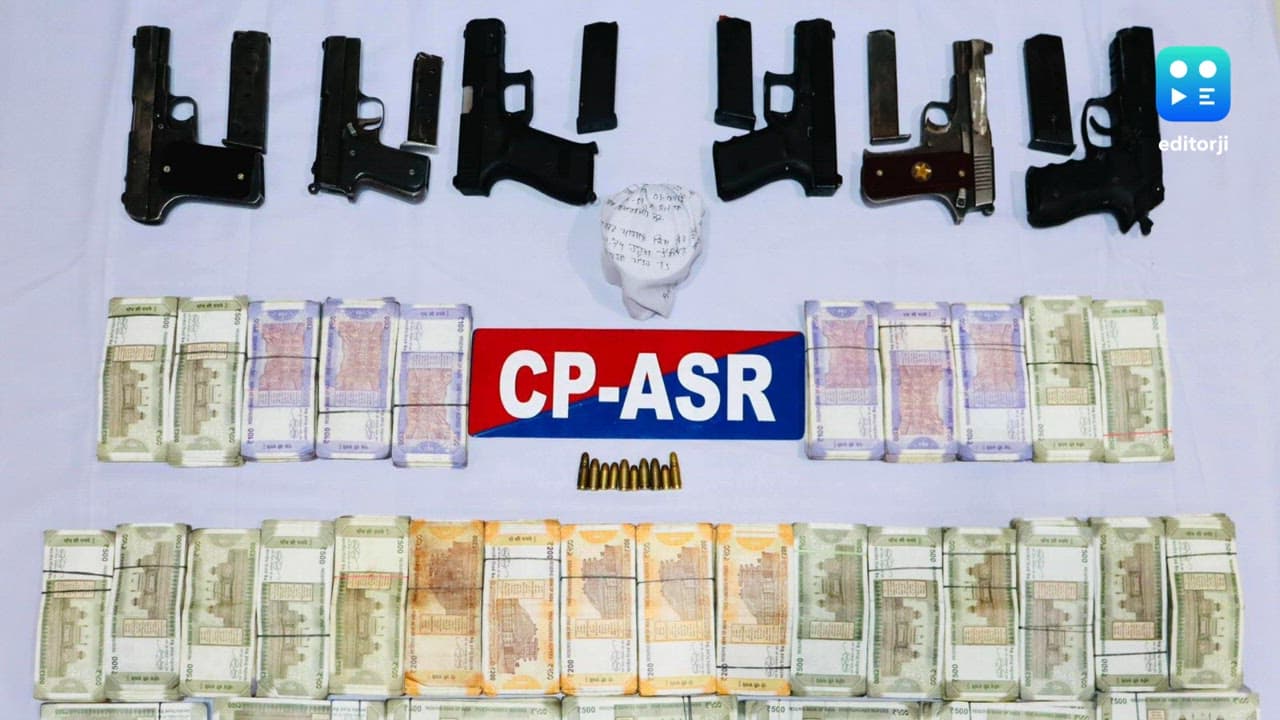
- Enforcement: Between March and December 2025, 29,352 cases registered under NDPS, 39,981 traffickers arrested, 1,849 kg heroin and 28 tonnes poppy husk seized, ₹15.25 crore recovered, 358 major traffickers arrested, 490 drone activities detected, 252 drones recovered, and ₹299 crore properties confiscated. 88% conviction rate in courts.
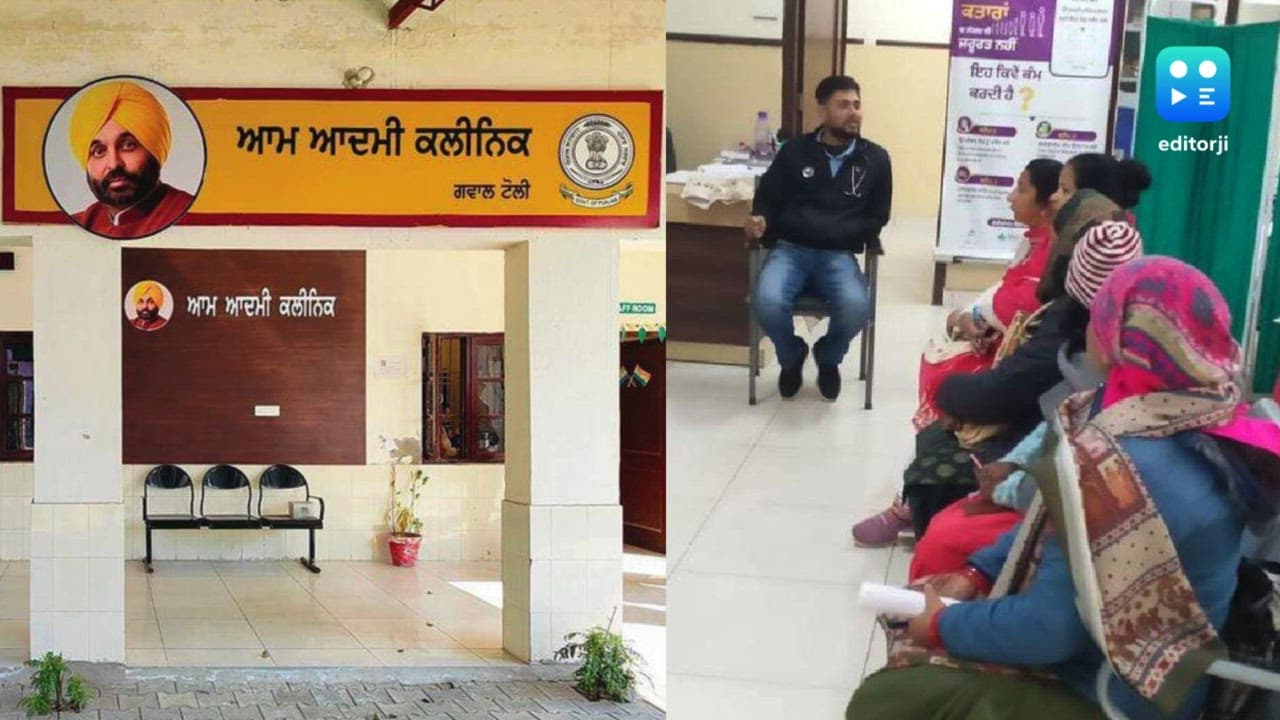
- Treatment Infrastructure: 36 government de-addiction centres, 19 government rehabilitation centres, 143 private de-addiction centres, 72 private rehabilitation centres, 55 empanelled rehabilitation centres, plus 44 nursing colleges and 11 medical colleges linked. Over 10.48 lakh patients registered.
- Capacity Building: Psychologists trained at AIIMS Delhi, 1,000+ medical officers trained, 180 psychologist recruitments, partnerships with NGOs for skill development and reintegration.
- Prisons: De-addiction centres established in eight central jails, 60 psychologists recruited, Soorma Program launched to recognise recovering addicts as ambassadors.
- Education & Awareness: Drug prevention curriculum introduced in government schools (Classes 9–12) reaching 8 lakh students.
- Youth Engagement: 3,100 stadiums under construction, 3,000 gyms being set up, 17,000 sports kits distributed. WhatsApp number launched to report trafficking.
Multi-Dimensional Approach
Kejriwal concluded: “With police, administration, and AAP government actively working, all three crore Punjabis will make Punjab drug free. The campaign will continue until the state is completely free from drugs.”
Mann added: “We have broken supply lines, jailed big players, treated victims, demolished traffickers’ properties, and adopted a zero-tolerance policy. This is a comprehensive, multi-dimensional strategy that will continue until Punjab is fully free from drugs.”
Senior leaders Manish Sisodia, Cabinet Ministers Aman Arora, Dr Balbir Singh, Tarunpreet Singh Sond, MP Raj Kumar Chabbewal, and Rajya Sabha MP Ashok Mittal also addressed the gathering. Chief Secretary KAP Sinha, Special DGP Arpit Shukla, and senior officers were present.