Highlights

  • Public comments and feedback on rules to regulate payment aggregators invited till May 31, 2024
  • RBI mandates non bank PA-Ps have a minimum networth of Rs 15 crore at the time of submitting application

Latest news

From Silent Retreats to Solo Trips: What Indians Are Googling About Travel

From Silent Retreats to Solo Trips: What Indians Are Googling About Travel

How to Open an FD Account and Choose the Right Deposit Amount, Tenure and Interest Payout Option

How to Open an FD Account and Choose the Right Deposit Amount, Tenure and Interest Payout Option

Credit Card Cash Withdrawal: Charges You Must Know Before You Swipe

Credit Card Cash Withdrawal: Charges You Must Know Before You Swipe

A New Chapter in PCs: NVIDIA RTX Spark PCs Launched in India Starting at ₹2.99 Lakh

A New Chapter in PCs: NVIDIA RTX Spark PCs Launched in India Starting at ₹2.99 Lakh

From Toy Faces To Lucky Charms, DailyObjects’ New Cases Put Art On iPhones

From Toy Faces To Lucky Charms, DailyObjects’ New Cases Put Art On iPhones

Why Retirement Planning is Shifting From Wealth Accumulation to Income Sustainability
Why Retirement Planning is Shifting From Wealth Accumulation to Income Sustainability

OPPO 45W 20000mAh Power Bank Review: No Mess, Fast Speeds, Real Value 

OPPO 45W 20000mAh Power Bank Review: No Mess, Fast Speeds, Real Value 

One in Three Laptop Buyers Wants to Upgrade for AI; 24% Are Open to Snapdragon, Survey Finds

One in Three Laptop Buyers Wants to Upgrade for AI; 24% Are Open to Snapdragon, Survey Finds

RBI proposes to tighten regulations for payment aggregators; issues draft rules

While existing non bank PA-Ps who are applying for RBI authorisation should have a minimum net worth of Rs 25 crore by March 31, 2028, new PA-Ps are given three financial years to accumulate Rs 25 crore from the grant of authorisation

RBI proposes to tighten regulations for payment aggregators; issues draft rules

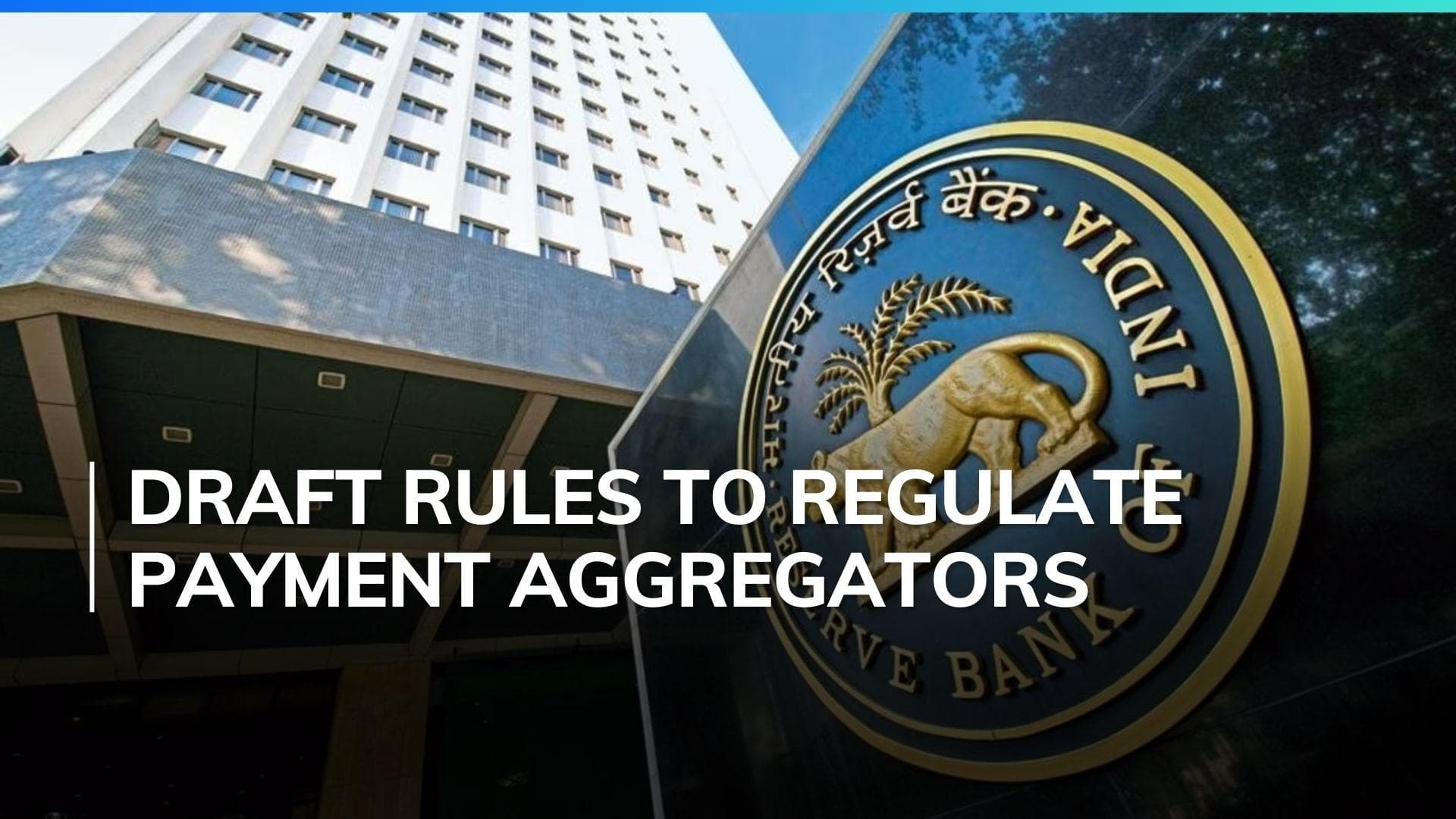
The Reserve Bank of India has issued draft rules to regulate payment aggregators who handle physical point of sale services. These regulations include minimum net worth requirements, amendments to certain existing directions as well as a timeline for compliance. The central bank has also invited public comments and feedback on the proposed regulations by May 31.

RBI seeks public comment

RBI on September 30, 2022 in its “Statement on Developmental and Regulatory Policies” had announced regulation of offline payment aggregators, who handle proximity and face-to-face payments.

The RBI had said that the current directions are proposed to be updated due to the growth in digital transactions and the significant role that payment aggregators play in this space. The updates which intend to further strengthen the payment ecosystem, can be seen in know your customers (KYC), due diligence of merchants, operations in Escrow accounts, etc.

Draft rules

As per the draft rules, non-banks payment aggregators providing physical point of sales services ( PA-Ps) should have a minimum networth of Rs 15 crore at the time of submitting application to the RBI for authorisation and a minimum networth of Rs 25 crore by March 31, 2028. The net worth of Rs 25 crore should be maintained at all times henceforth.

Meanwhile, new non-bank PA-Ps should have a minimum networth of Rs 15 crore at the time of submitting application to the RBI for authorisation. The RBI further added that these firms will have to attain a minimum networth of Rs 25 crore by end of the third financial year of grant of authorisation after which the net worth of Rs 25 crore should be maintained.

As per the RBI, while applying, the non-bank PA-P needs to submit a certificate from their statutory auditor, along with the latest audited statement(s) of financial accounts, to evidence compliance with the applicable net worth criterion

Meanwhile, new non-bank PA-Ps that may not have audited statement of financial accounts are required to submit a certificate from their statutory auditor regarding the current networth along with provisional balance sheet.

All the existing non-bank PA-Ps that do not comply with networth requirement or do not apply for authorisation within the stipulated time frame will have to close down PA-P activity by July 31, 2025.

"Banks shall close accounts of non-bank PA-P, existing as on the date of this circular, by October 31, 2025 unless such PAs produce evidence regarding application for authorisation submitted to the RBI," the RBI added.

Frequently Asked Questions

The main purpose of the RBI's new draft rules for payment aggregators is to regulate those who handle physical point of sale services to further strengthen the payment ecosystem in light of the growth in digital transactions.

ADVERTISEMENT

Up Next

RBI proposes to tighten regulations for payment aggregators; issues draft rules

RBI proposes to tighten regulations for payment aggregators; issues draft rules

How to Open an FD Account and Choose the Right Deposit Amount, Tenure and Interest Payout Option

How to Open an FD Account and Choose the Right Deposit Amount, Tenure and Interest Payout Option

Credit Card Cash Withdrawal: Charges You Must Know Before You Swipe

Credit Card Cash Withdrawal: Charges You Must Know Before You Swipe

Why Retirement Planning is Shifting From Wealth Accumulation to Income Sustainability

Why Retirement Planning is Shifting From Wealth Accumulation to Income Sustainability

How Does a Critical Illness Policy Work? Coverage, Claims & Benefits Explained
How Does a Critical Illness Policy Work? Coverage, Claims & Benefits Explained

Sensex Falls 252 Points, Nifty Slips as Crude Oil Tops $106

Sensex Falls 252 Points, Nifty Slips as Crude Oil Tops $106

ADVERTISEMENT

editorji-whatsApp

More videos

Sensex Jumps Over 1,100 Points, Nifty Gains 1.6% as IT Stocks Rally
Sensex Jumps Over 1,100 Points, Nifty Gains 1.6% as IT Stocks Rally

Sensex falls 429 points, Nifty slips 173 points after RBI rate hike
Sensex falls 429 points, Nifty slips 173 points after RBI rate hike

RBI raises repo rate by 25 bps to 5.50%, shifts policy towards tightening
RBI raises repo rate by 25 bps to 5.50%, shifts policy towards tightening

GST rates likely unchanged as 57th Council meeting focuses on reforms
GST rates likely unchanged as 57th Council meeting focuses on reforms

Sensex gains 685 points, Nifty rises 220 points to cross 22,700
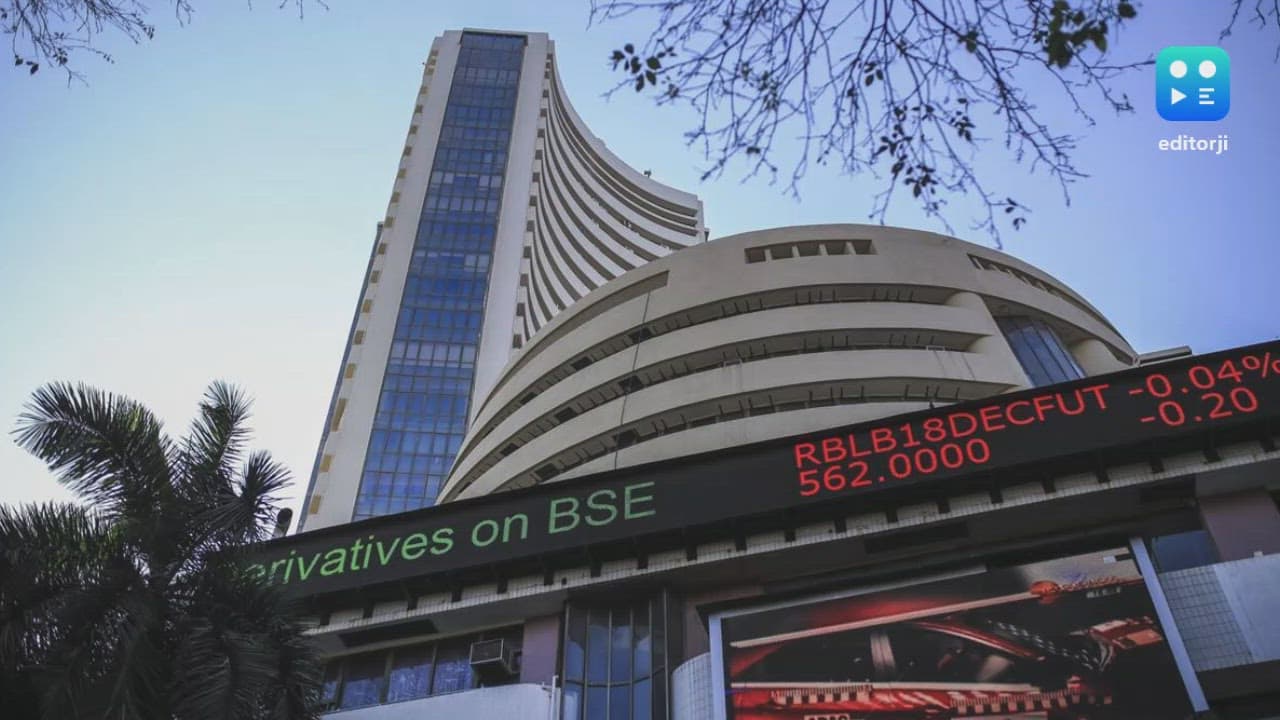
Sensex gains 685 points, Nifty rises 220 points to cross 22,700

Sensex gains 473 points, Nifty rises 134 points as markets stage recovery

Sensex gains 473 points, Nifty rises 134 points as markets stage recovery

India To Grow 7% In FY27, Next Growth Phase Hinges On Infra, Deeper Capital Markets: S&P Global
India To Grow 7% In FY27, Next Growth Phase Hinges On Infra, Deeper Capital Markets: S&P Global

Sensex Falls 49 Points, Nifty Slips 96 As Selling Pressure Returns
Sensex Falls 49 Points, Nifty Slips 96 As Selling Pressure Returns

Sensex falls 243 points, Nifty slips 64 points as foreign outflows and crude prices weigh
Sensex falls 243 points, Nifty slips 64 points as foreign outflows and crude prices weigh

India launches anti-dumping probes into 7 Chinese products, including key pharma ingredients

India launches anti-dumping probes into 7 Chinese products, including key pharma ingredients

Editorji Technologies Pvt. Ltd. © 2022 All Rights Reserved.