Highlights

  • Form a self regulatory organisation: RBI governor to Fintech players
  • Fintech is projected to have revenues of $200 billion by 2030
  • RBI governor assures help to establish Self Regulatory Organisation

Latest news

From Silent Retreats to Solo Trips: What Indians Are Googling About Travel

From Silent Retreats to Solo Trips: What Indians Are Googling About Travel

How to Open an FD Account and Choose the Right Deposit Amount, Tenure and Interest Payout Option

How to Open an FD Account and Choose the Right Deposit Amount, Tenure and Interest Payout Option

Credit Card Cash Withdrawal: Charges You Must Know Before You Swipe

Credit Card Cash Withdrawal: Charges You Must Know Before You Swipe

A New Chapter in PCs: NVIDIA RTX Spark PCs Launched in India Starting at ₹2.99 Lakh

A New Chapter in PCs: NVIDIA RTX Spark PCs Launched in India Starting at ₹2.99 Lakh

From Toy Faces To Lucky Charms, DailyObjects’ New Cases Put Art On iPhones

From Toy Faces To Lucky Charms, DailyObjects’ New Cases Put Art On iPhones

Why Retirement Planning is Shifting From Wealth Accumulation to Income Sustainability

Why Retirement Planning is Shifting From Wealth Accumulation to Income Sustainability

OPPO 45W 20000mAh Power Bank Review: No Mess, Fast Speeds, Real Value 

OPPO 45W 20000mAh Power Bank Review: No Mess, Fast Speeds, Real Value 

One in Three Laptop Buyers Wants to Upgrade for AI; 24% Are Open to Snapdragon, Survey Finds

One in Three Laptop Buyers Wants to Upgrade for AI; 24% Are Open to Snapdragon, Survey Finds

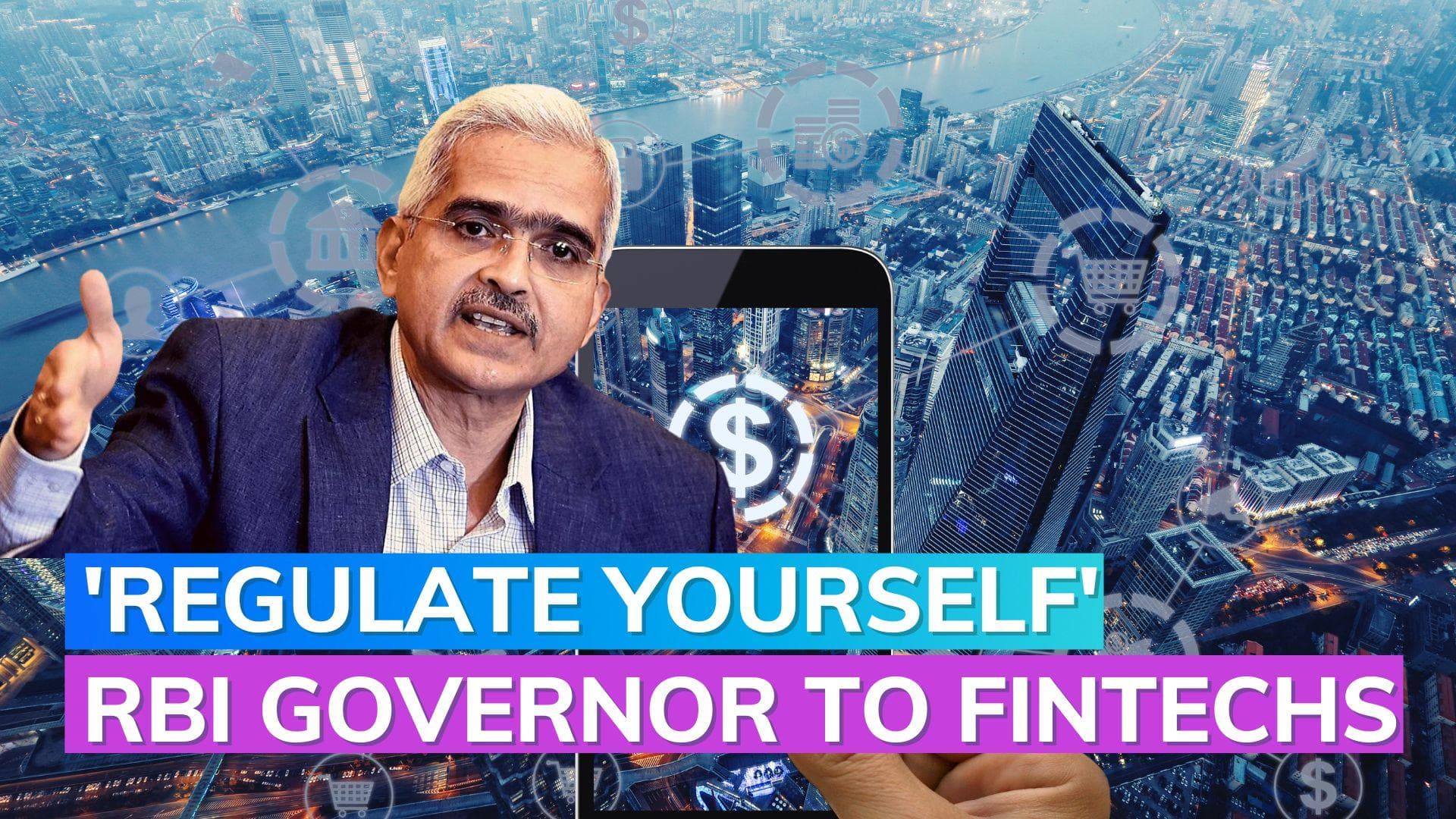
RBI Governor asks fintech players to form self regulatory organisation

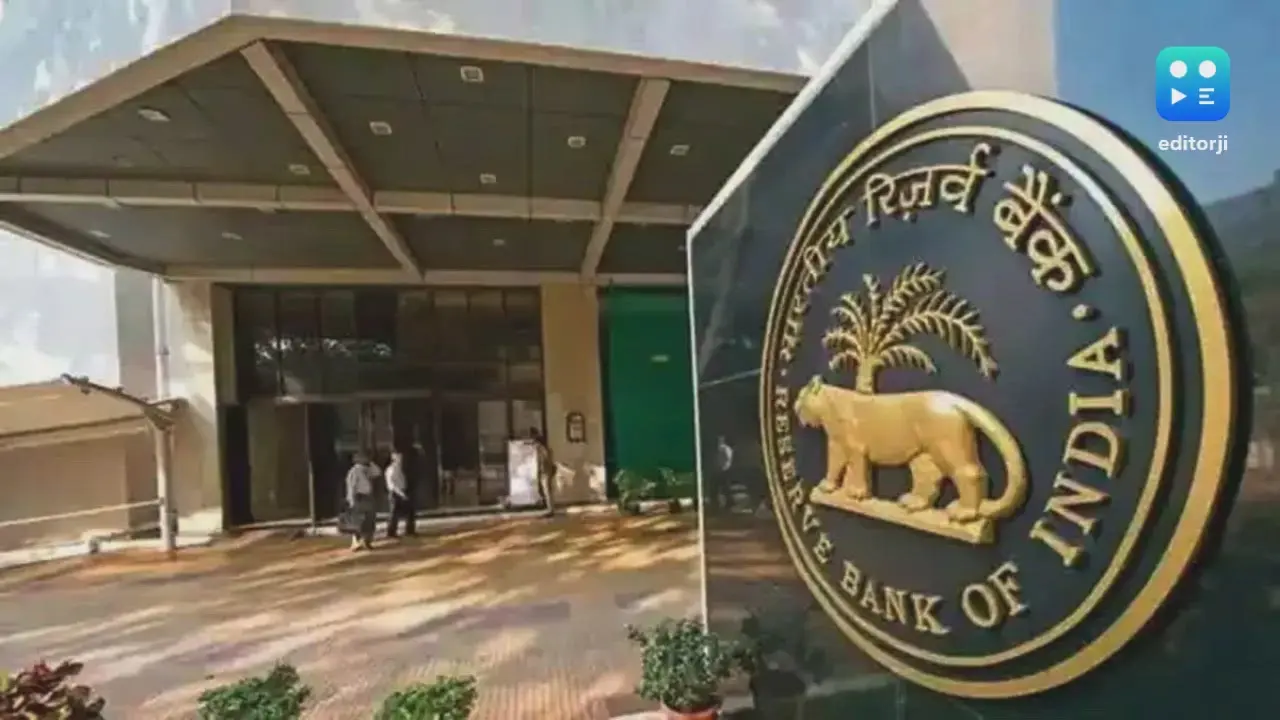
RBI governor Shaktikanta Das while speaking at the Global Fintech Fest urged the Fintech players to form a self regulatory organisation

RBI Governor asks fintech players to form self regulatory organisation

Fintech players should form a self regulatory organisation for an orderly growth of the industry that is projected to have revenues of USD 200 billion by 2030, RBI Governor Shaktikanta Das said on Wednesday.

Addressing the industry at the Global Fintech Fest here, Das said fintech players need to evolve industry best practices to avoid misselling, stress on ethical practices, pricing transparency and take care of privacy and data protection concerns.

"I would like to use this opportunity to urge and encourage the fintechs to establish a Self Regulatory Organisation (SRO) themselves," he said and assured all help from the Reserve Bank of India (RBI) for the process.

Also Read: SEBI to clamp down on Finfluencers: Puts out consultation paper, to accept public suggestions till Sep 15

The fintech players should form the SRO at the earliest, Das said and hoped that such a platform will be ready at least by the next edition of the yearly event.

Stating that other industries also have SROs, Das said forming an SRO will help the players to voice their concerns.

He also said that having the SRO will reduce the burden of regulating a dynamic sector off the RBI's shoulders.

Das said regulators play a critical role in addressing arbitrage, ensuring compliance with existing laws, and adopting regulations as per technological advancements.

Further, he asked the fintech players -- most of them startups -- to avoid the "relentless drive for valuations" and profits, and asked them to focus on customer centricity.

"… to focus on customers means embracing a customer-centric approach to innovation by understanding the needs of customers, making provisions that protect customer interests and earn their trust," he added.

He said that good governance will be key to durable and long term success of any company and in particular, the fintech players.

Technological innovation has "unprecedented potential" to make finance more inclusive, competitive and robust, Das said, adding that advancements in technology need to evolve in a "responsible" manner.

"Fintech players should themselves ensure responsible digital innovations. The Reserve Bank on its part will continue to drive the necessary regulatory and other policy measures to promote a vibrant and responsive fintech ecosystem," he said.

While stressing that the coming years hold immense promise which need to be leveraged by innovators, the RBI chief said that as per projections, the fintech sector revenues are set to touch USD 200 billion by 2030. "We are at the cusp of a major transformation in fintech sector".

Das also spoke about the progress on the Central Bank Digital Currency and said that newer use cases will be soon added on the wholesale CBDC front.

The CBDC retail pilot is currently being operated through 13 banks across 26 cities, Das said, adding that around 1.46 million users and 0.31 million merchants are currently part of the pilot as on August 31, 2023.

RBI has also enabled full inter-operability of CBDC with UPI QR codes, and is targeting 10 lakh CBDC transactions per day by December 2023 which will give it sufficient data points for analysis, Das said.

Meanwhile, Srinivas Jain, the Co-Chairman of the Fintech Convergence Council, said it will be working earnestly to have an SRO in place at the earliest.

"We are not on the same pages on who all from the fintech space can be members as currently this space is dominated by payments tech players but there are many others also in the fray,"

Frequently Asked Questions

RBI Governor Shaktikanta Das asked fintech players to form a self-regulatory organization (SRO) for the orderly growth of the industry.

ADVERTISEMENT

Up Next

RBI Governor asks fintech players to form self regulatory organisation

RBI Governor asks fintech players to form self regulatory organisation

How to Open an FD Account and Choose the Right Deposit Amount, Tenure and Interest Payout Option

How to Open an FD Account and Choose the Right Deposit Amount, Tenure and Interest Payout Option

Credit Card Cash Withdrawal: Charges You Must Know Before You Swipe

Credit Card Cash Withdrawal: Charges You Must Know Before You Swipe

Why Retirement Planning is Shifting From Wealth Accumulation to Income Sustainability

Why Retirement Planning is Shifting From Wealth Accumulation to Income Sustainability

How Does a Critical Illness Policy Work? Coverage, Claims & Benefits Explained
How Does a Critical Illness Policy Work? Coverage, Claims & Benefits Explained

Sensex Falls 252 Points, Nifty Slips as Crude Oil Tops $106

Sensex Falls 252 Points, Nifty Slips as Crude Oil Tops $106

ADVERTISEMENT

editorji-whatsApp

More videos

Sensex Jumps Over 1,100 Points, Nifty Gains 1.6% as IT Stocks Rally
Sensex Jumps Over 1,100 Points, Nifty Gains 1.6% as IT Stocks Rally

Sensex falls 429 points, Nifty slips 173 points after RBI rate hike
Sensex falls 429 points, Nifty slips 173 points after RBI rate hike

RBI raises repo rate by 25 bps to 5.50%, shifts policy towards tightening

RBI raises repo rate by 25 bps to 5.50%, shifts policy towards tightening

GST rates likely unchanged as 57th Council meeting focuses on reforms
GST rates likely unchanged as 57th Council meeting focuses on reforms

Sensex gains 685 points, Nifty rises 220 points to cross 22,700
Sensex gains 685 points, Nifty rises 220 points to cross 22,700

Sensex gains 473 points, Nifty rises 134 points as markets stage recovery
Sensex gains 473 points, Nifty rises 134 points as markets stage recovery

India To Grow 7% In FY27, Next Growth Phase Hinges On Infra, Deeper Capital Markets: S&P Global
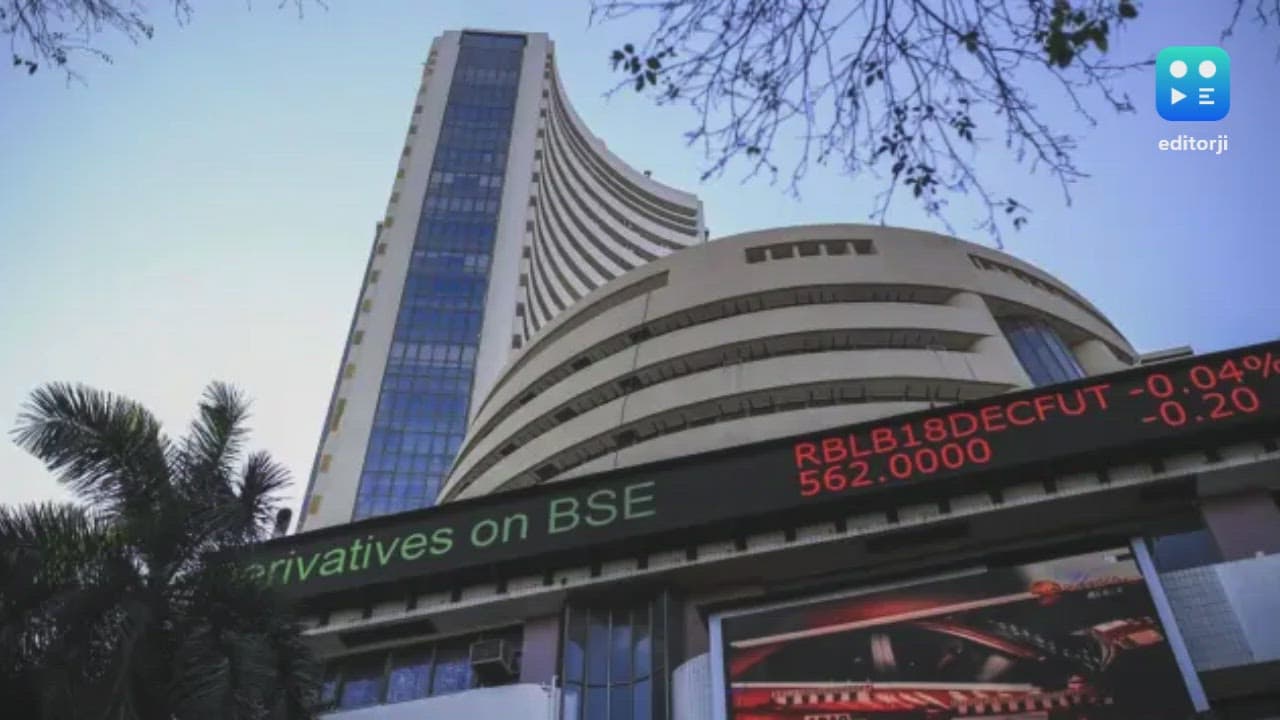
India To Grow 7% In FY27, Next Growth Phase Hinges On Infra, Deeper Capital Markets: S&P Global

Sensex Falls 49 Points, Nifty Slips 96 As Selling Pressure Returns
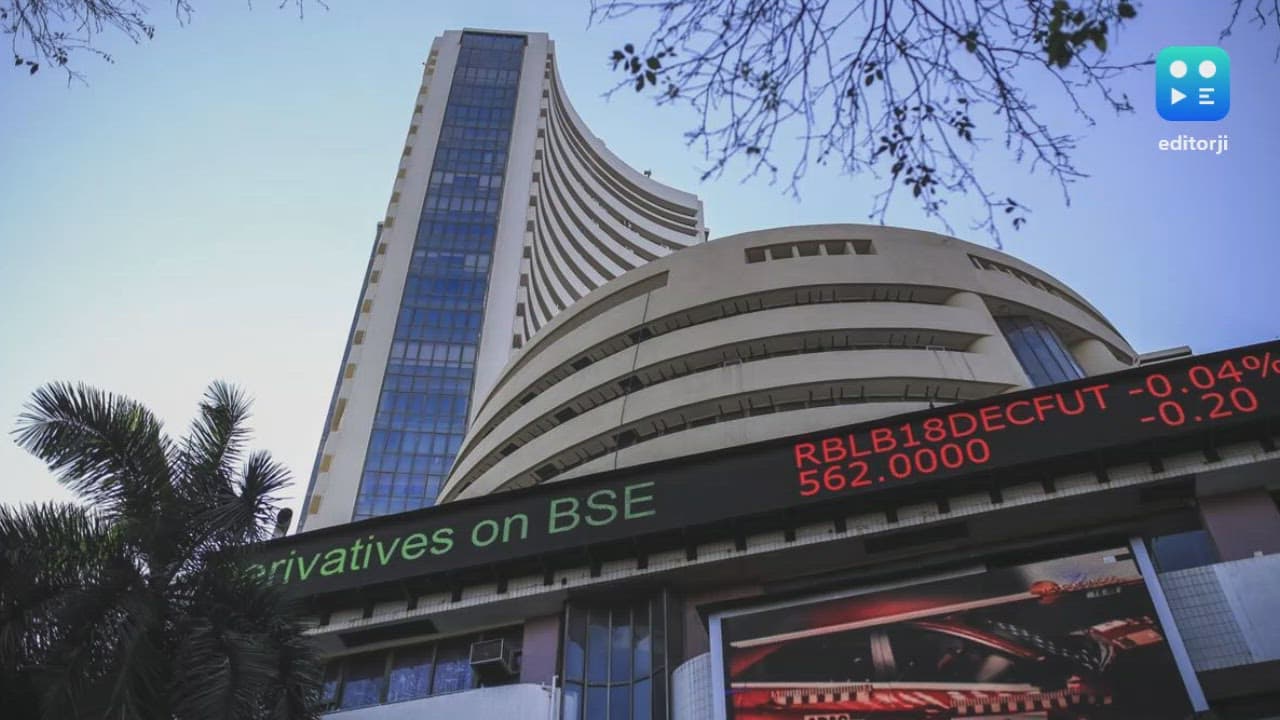
Sensex Falls 49 Points, Nifty Slips 96 As Selling Pressure Returns

Sensex falls 243 points, Nifty slips 64 points as foreign outflows and crude prices weigh

Sensex falls 243 points, Nifty slips 64 points as foreign outflows and crude prices weigh

India launches anti-dumping probes into 7 Chinese products, including key pharma ingredients

India launches anti-dumping probes into 7 Chinese products, including key pharma ingredients

Editorji Technologies Pvt. Ltd. © 2022 All Rights Reserved.