The Ashes: What to know about cricket's most storied rivalry
Few sporting contests carry the history, drama, and aura of the Ashes.
Born from a mock newspaper obituary in 1882 and symbolized by a tiny urn, the rivalry between Australia and England has shaped more than a century of Test cricket.
Ahead of one of the biggest contests on the cricket calendar, here's what to know about the upcoming five-match series.
The Origins
The Ashes is one of the oldest and most iconic rivalries in international sport, featuring Test cricket contests between Australia and England. Cricket tests between English and Australian teams started in 1877.
According to the Marylebone Cricket Club, the Lord's-based custodian of the laws of the game, the term “Ashes” was first used in August 1882 in a satirical obituary for English cricket printed in The Sporting Times after the representative team lost on home soil to Australia for the first time.
The obituary reported that the body of English cricket would be cremated and the Ashes taken to Australia.
English captain Ivo Bligh led a team to Australia later that year with a vow to reclaim “the ashes.”
A fan presented Bligh with a small terracotta urn as a symbol of the Ashes after an England victory — and that's how the Ashes and the urn became intrinsically connected.
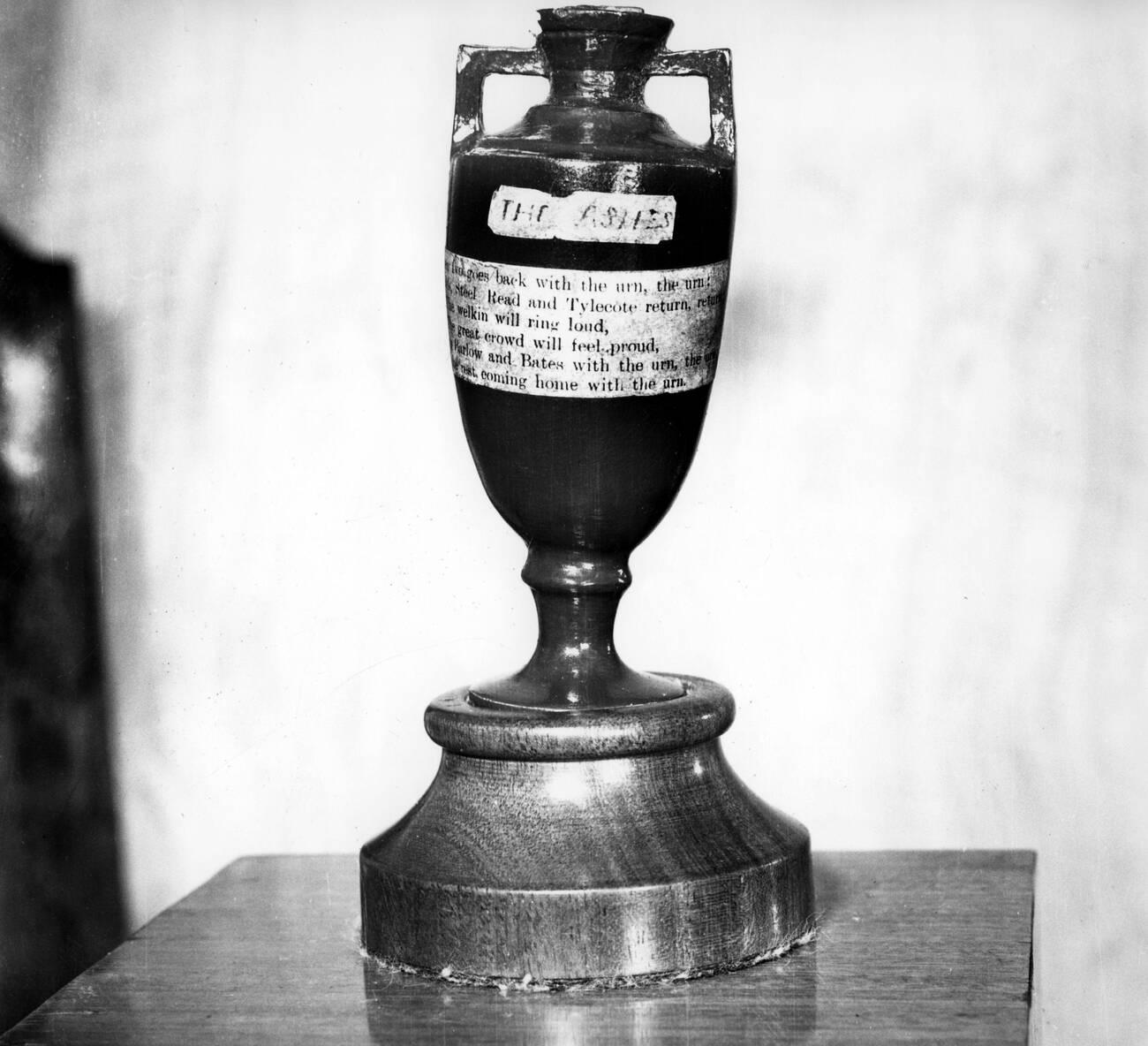
Bligh met his future wife on that day. The couple moved to England and took the urn with them, keeping it in the family until after Bligh died, when it was bequeathed to the MCC.
The Ashes series has evolved into a regular event, held approximately every two years and alternating between the two countries.
Some Classic Moments
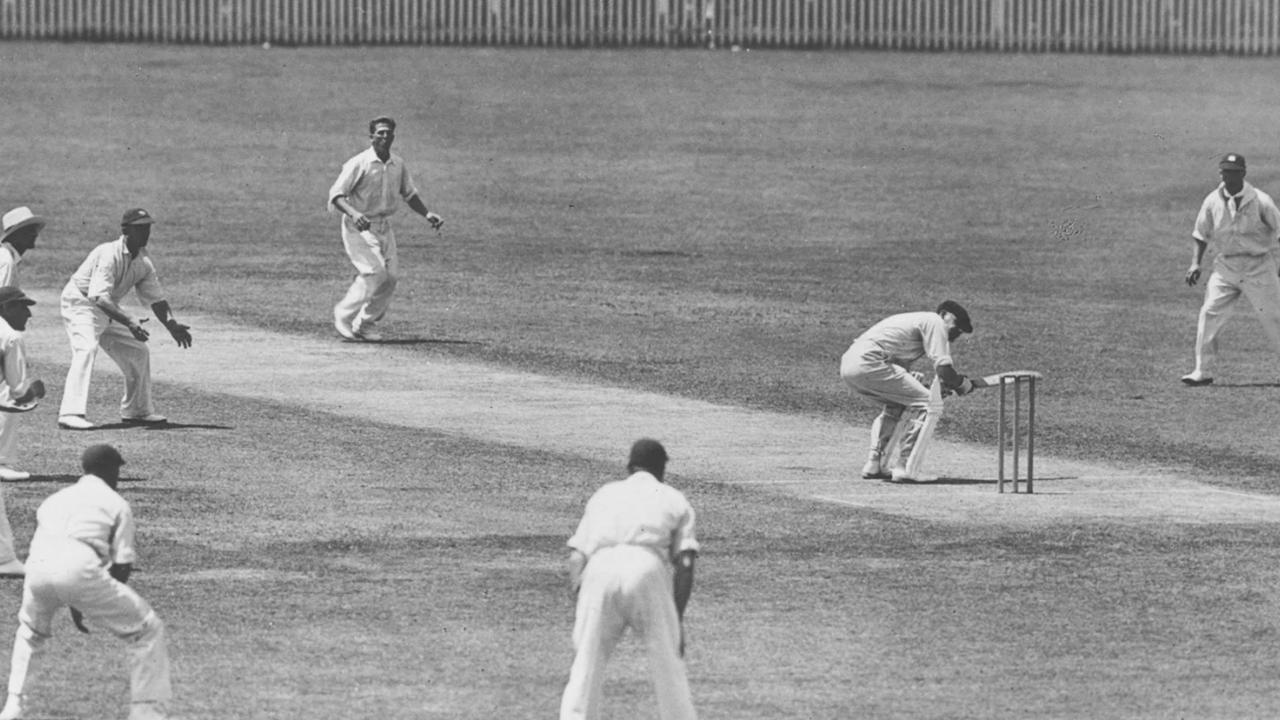
1932–33 “Bodyline” Series: England used hostile “fast leg theory” bowling tactics to intimidate Australian batters, especially Don Bradman. England reclaimed the Ashes, but the rules were later modified to restrict similar tactics.
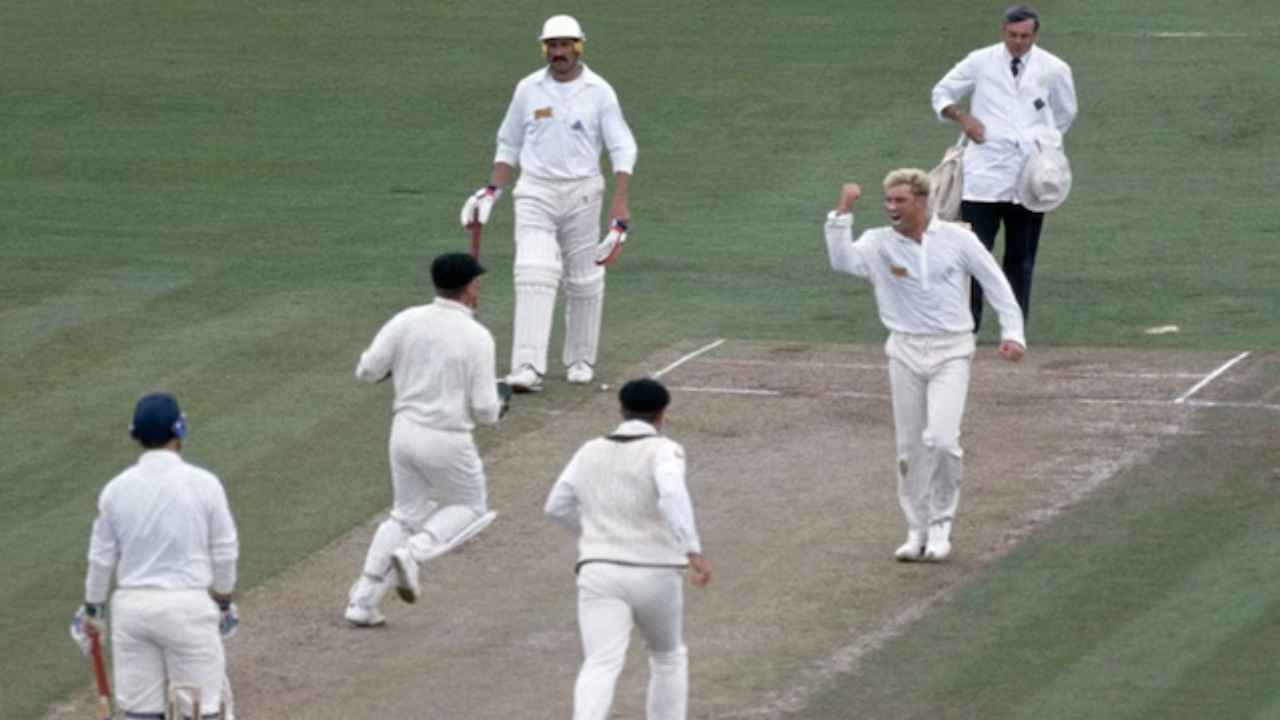
Shane Warne’s “Ball of the Century” (1993): At Old Trafford, Warne’s first Ashes delivery for Australia drifted and spun almost incomprehensibly to bowl Mike Gatting, announcing Warne as a generational star.
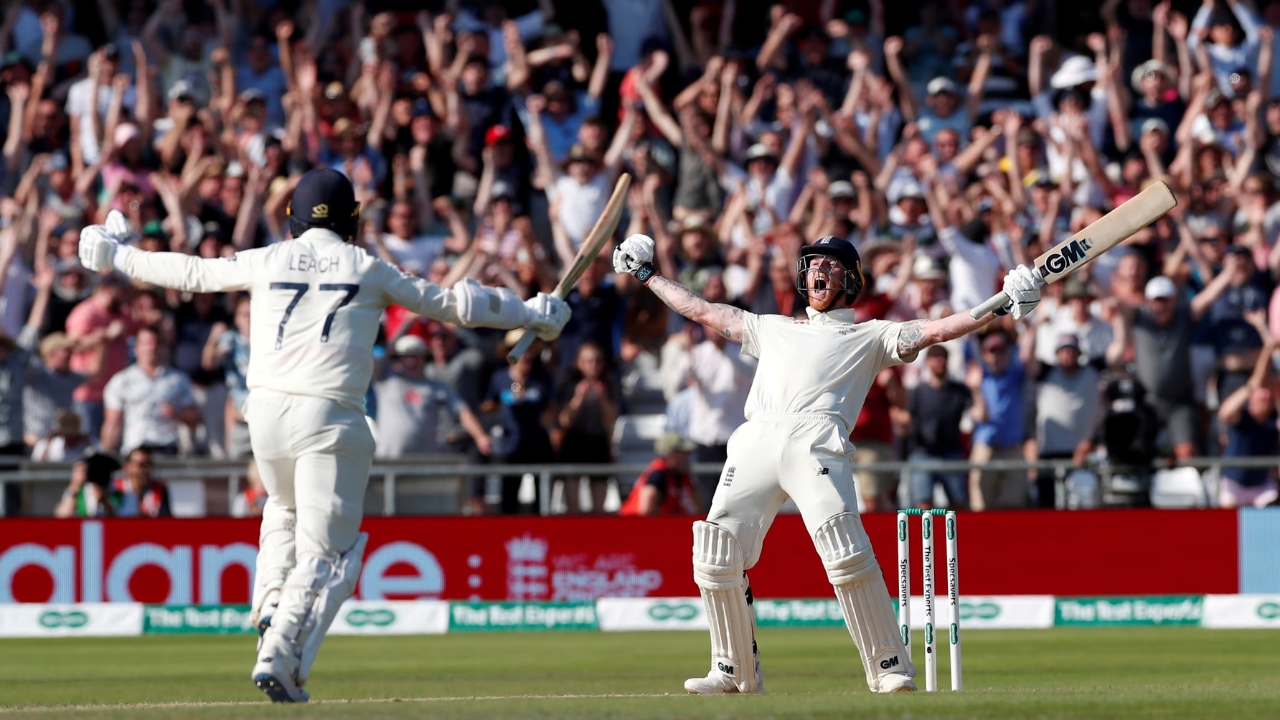
Ben Stokes’ Headingley Innings (2019): His unbeaten 135, mixing supreme composure with fearless hitting, dragged England to an improbable one-wicket victory and etched a new legend into Ashes folklore.
Jonny Bairstow Controversy (2023): England’s Jonny Bairstow was controversially stumped at Lord's after wandering out of his crease, believing the ball to be out of play.
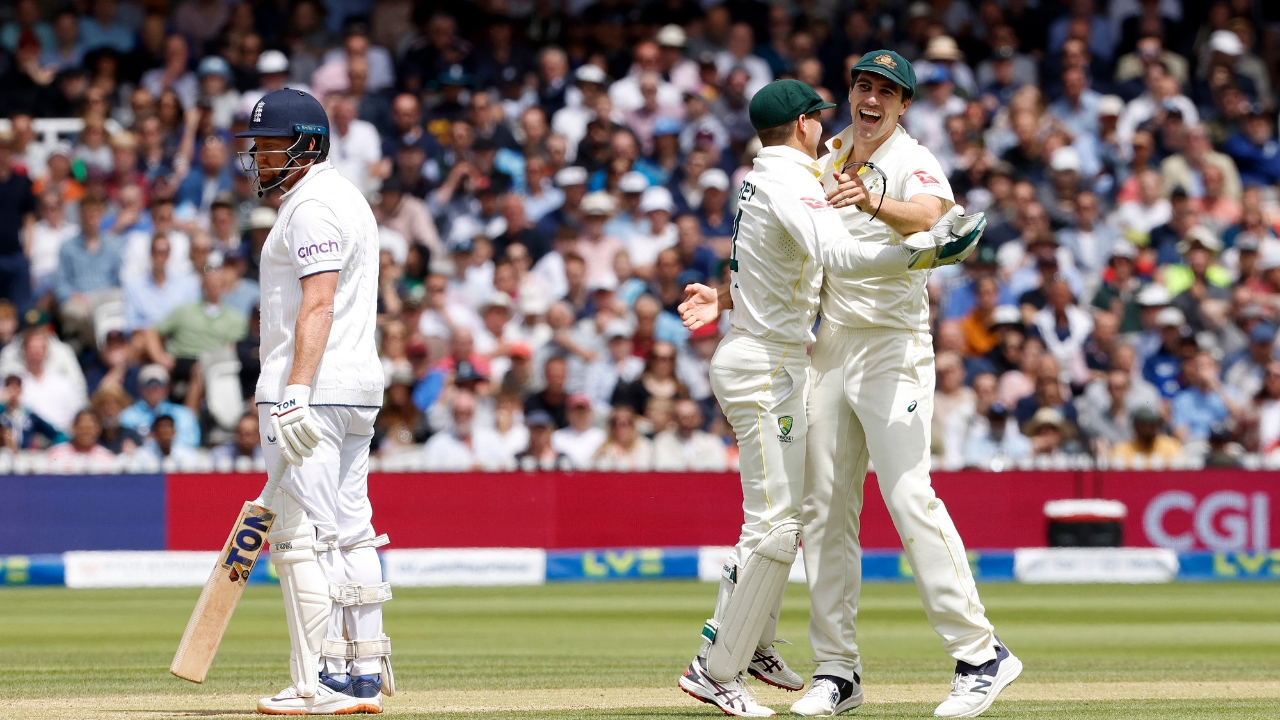
While entirely within the laws, the incident sparked fierce debate over the spirit of cricket, igniting a storm across the cricketing world.
Recent History
Australia has held the Ashes since 2017, retaining the urn with series wins at home and drawn series in England, including a 2-2 result in a highly charged tour two years ago.
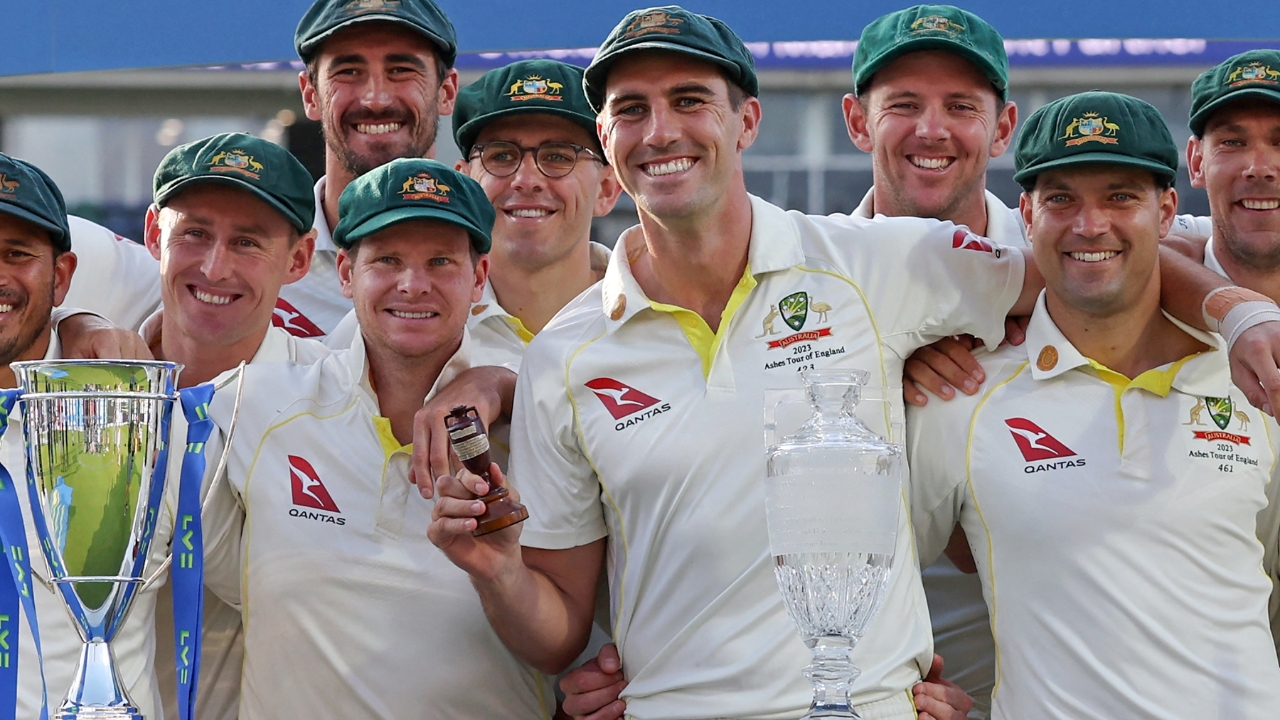
England has not won an Ashes Test in Australia since 2011 — also the last time it won a series in Australia. That span includes a 5-0 loss in 2013-14, and 4-0 defeats in 2017-18 and 2021-22.
The 3-1 series loss to England in 2010-11 was Australia’s only Ashes series loss at home since it reclaimed the urn in England in 1989.
England Players to Watch
Joe Root: No. 1-ranked batter and second-highest scorer in Test cricket, but he has never scored an Ashes century in Australia. His average of 35.68 in 14 Tests here lags far behind his career mark of 51.29.
Ben Stokes: England’s talismanic captain and “Bazball” figurehead. Stokes can win matches almost single-handedly. Despite being Test cricket's leading six-hitter, he averages just 28.61 with the bat and 41 with the ball in Australia.
Jofra Archer: Playing his first Ashes in Australia but already famous for his express pace, including the 2019 blows to Smith and Labuschagne. Injuries have stalled his career since his 22-wicket breakout series, and England will hope he stays fit.
Australia Players to Watch
Steven Smith: Australia’s premier batter for more than a decade and anchor of an unsettled lineup. With 10,447 runs, 36 centuries, and an average of 56.02, he sits just behind Bradman among Australia’s Test greats. Smith has 12 Ashes hundreds, including a best of 239 at Perth.
Mitchell Starc: The last fit member of Australia’s first-choice pace trio, with Pat Cummins and Josh Hazlewood sidelined due to injuries. Starc has 402 wickets in 100 Tests, placing him fourth on Australia’s all-time list.
Scott Boland: A cult hero since his remarkable 6-7 on debut at the MCG in 2021. His 62 wickets at 16.53 in 14 Tests would make him an automatic pick, though the 36-year-old has often been squeezed out behind Cummins, Starc, and Hazlewood.
The Schedule
The five-Test series starts Friday in Perth, Western Australia.
Second Test: Day-nighter at the Gabba in Brisbane, starting Dec. 4.
Third Test: Adelaide Oval, Dec. 17–21.
Fourth Test: Melbourne Cricket Ground, Boxing Day Test, starting Dec. 26.
Fifth Test: Sydney, starting Jan. 4.